On a cool mid-August morning, I began my tour of the closeby State Arboretum of Virginia, my second visit to the Arboretum, but the first without my wife (a benefit of retirement and she is a year away). By my lonesome, I could spend as much time as I wanted, prowling every corner to visit beech, magnolias, chestnuts, and buckeyes (and much more) and not worrying that Barbara might be wishing she was anyplace but here. Or with me.
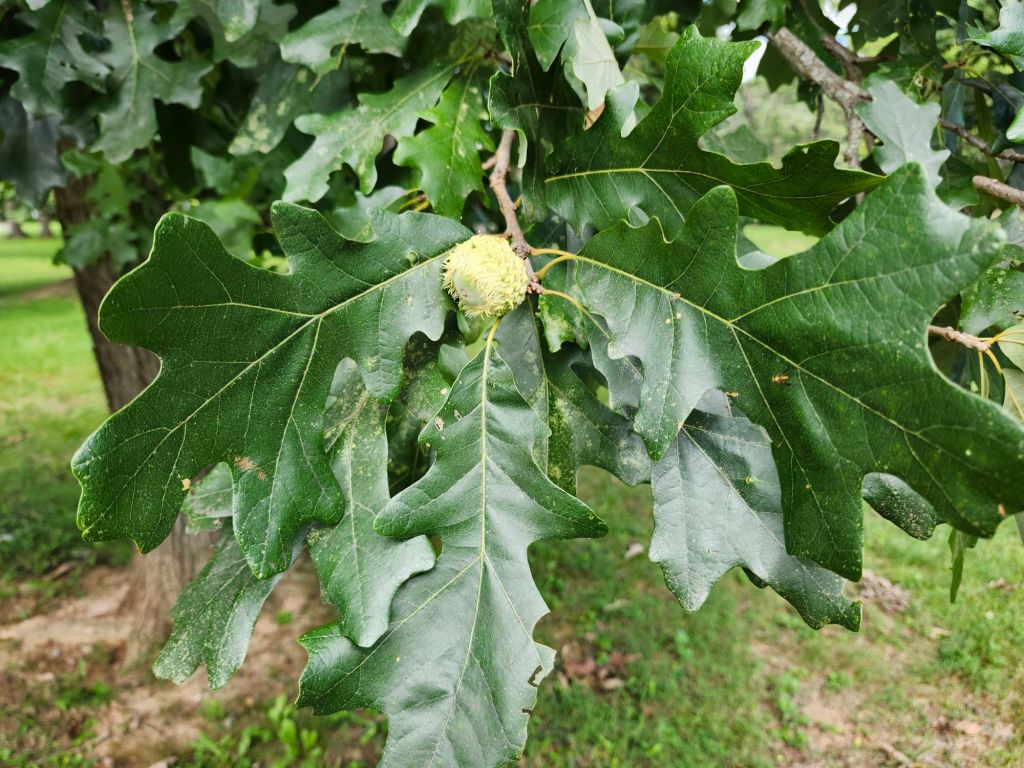
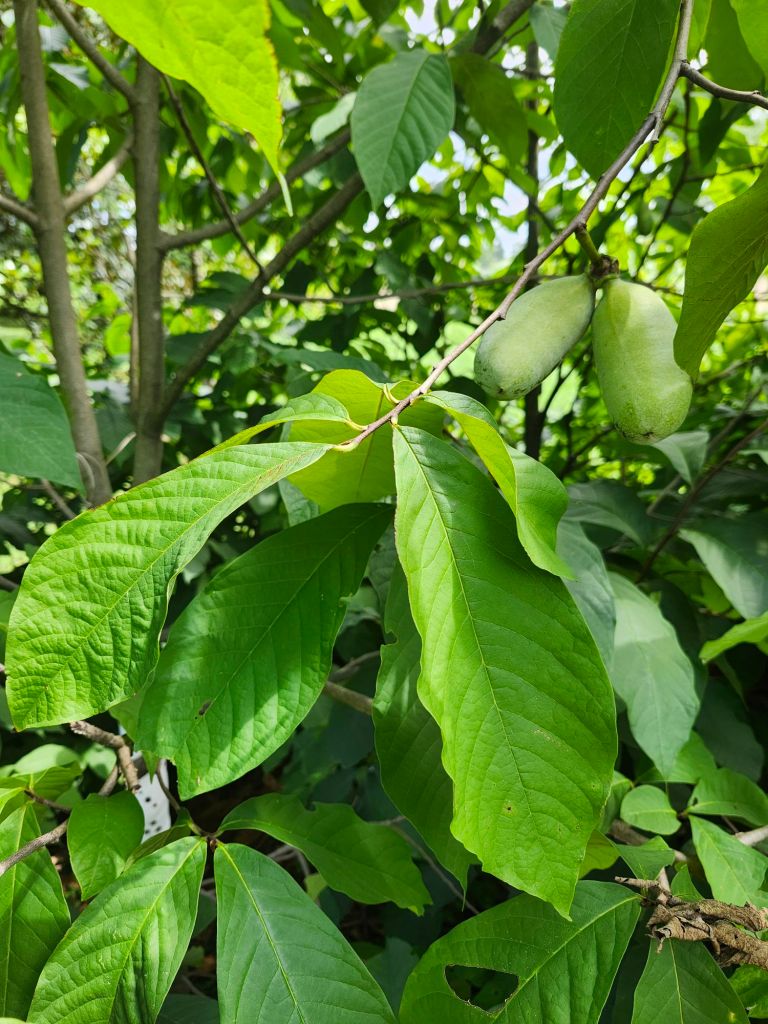
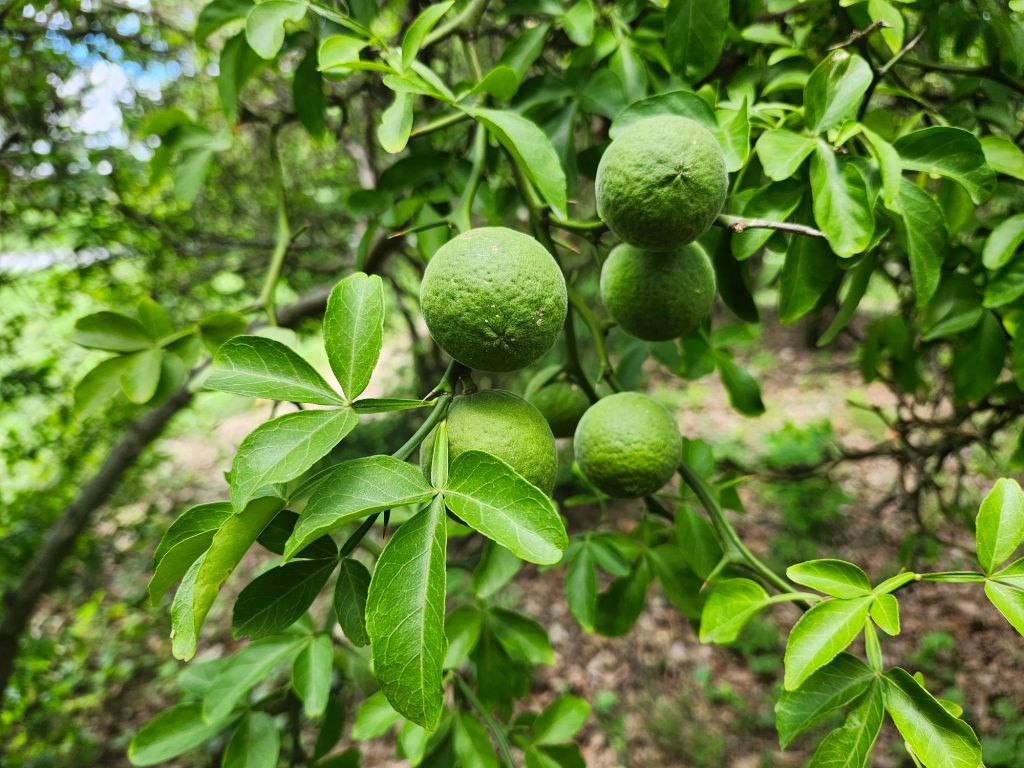
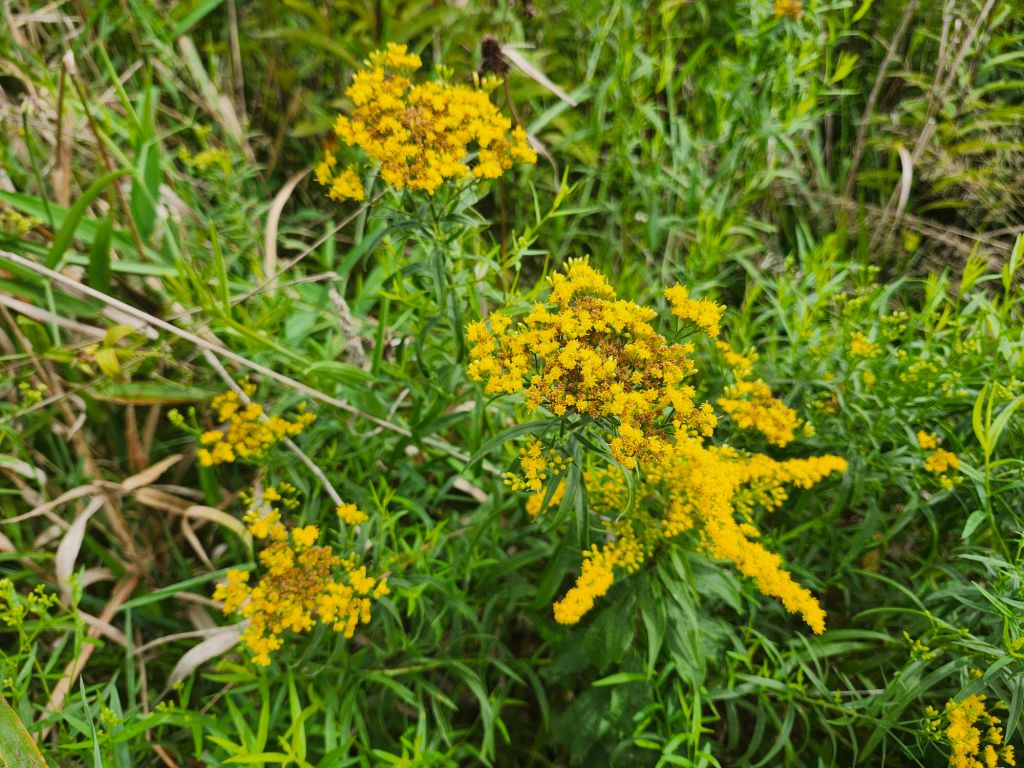
The middle of August might seem an odd time to visit a public garden, but the Arboretum is largely devoted to native meadows and to trees, which is my passion. I had a jolly good time. The meadows were in brilliant color, though on this breezy day, pollinators were few. Still, I can’t complain. The weather was perfect for a long trek through this paradise of mature trees.
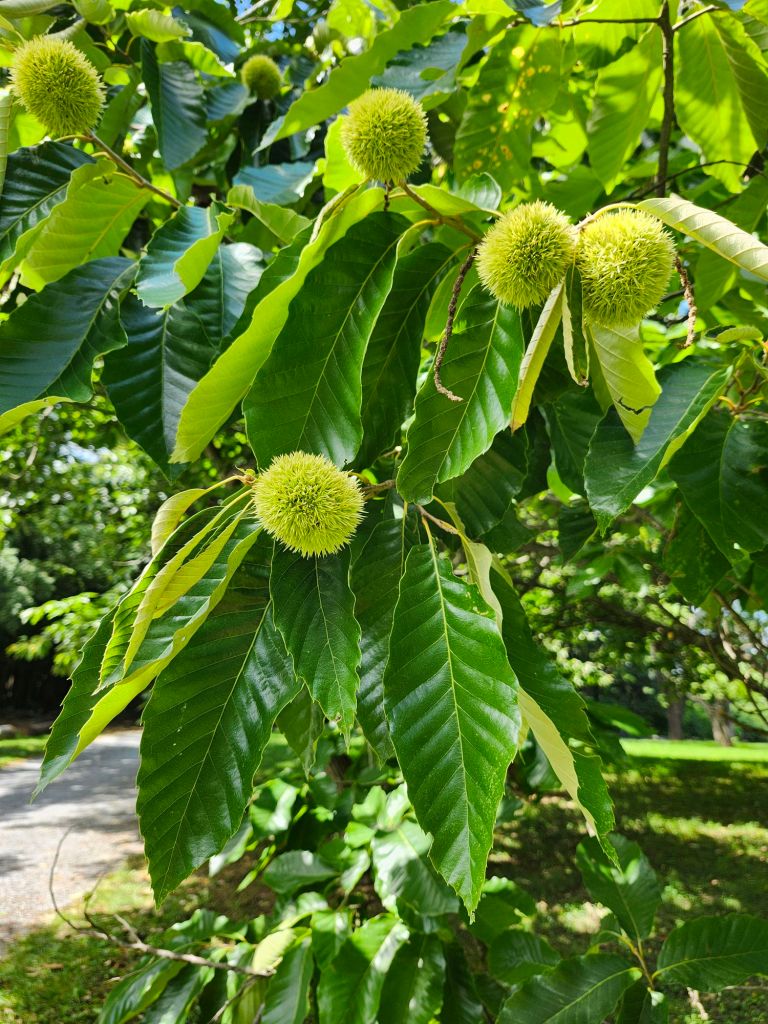
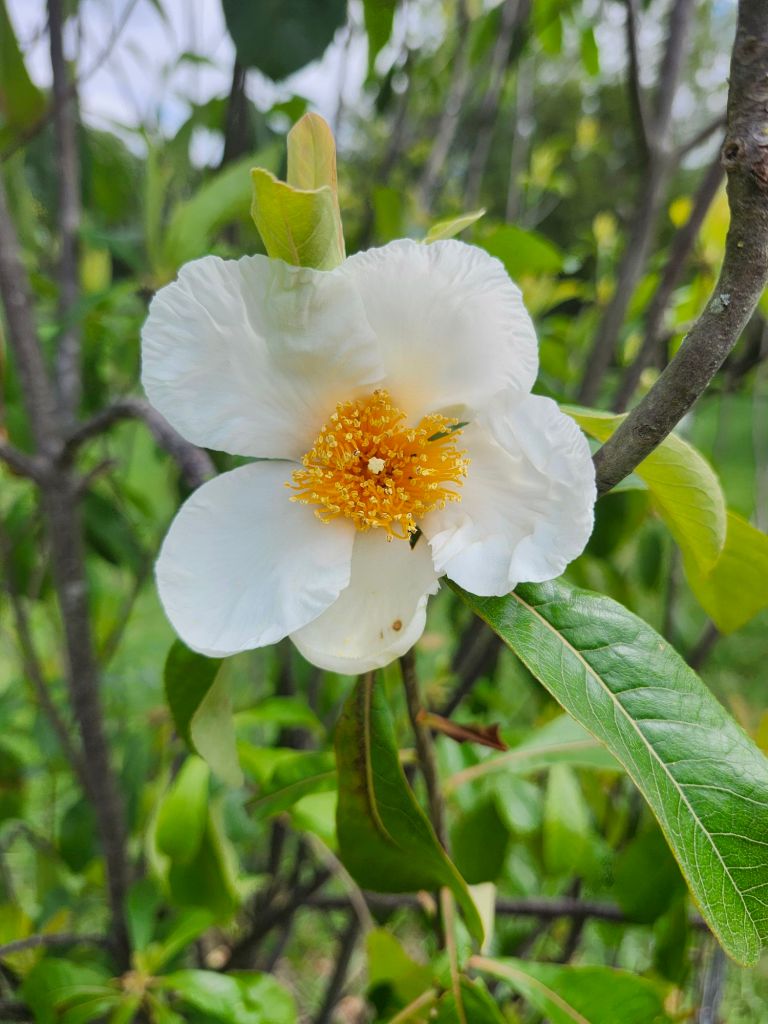
As I wandered through the chestnut collection (Chinese chestnut, above), I noticed very large white flowers on tall trees in the distance. Must be larger Franklinias (below), I thought, but as I got a little closer, no the flowers are too large, maybe Dove trees (Davidia involucrata) flowering late. Then I saw these were white paper bags protecting the flowers of the nearly extinct but impressively tall American chestnuts. I suspect that flowers were manually pollinated, even flowers thirty feet up, and covered so that the natives are not crossed with neighboring Chinese chestnuts for their trials looking to develop blight resistant native chestnuts.
Several times, I thought, this is what my place would look like if I had a hundred acres, though my collections of dogwoods, redbuds, and Japanese maples would be more extensive (at least until the money ran out and Barbara and I moved to the poor house). My priorities would be different, and so what if I sacrificed collecting a few dozen oaks and poplars.
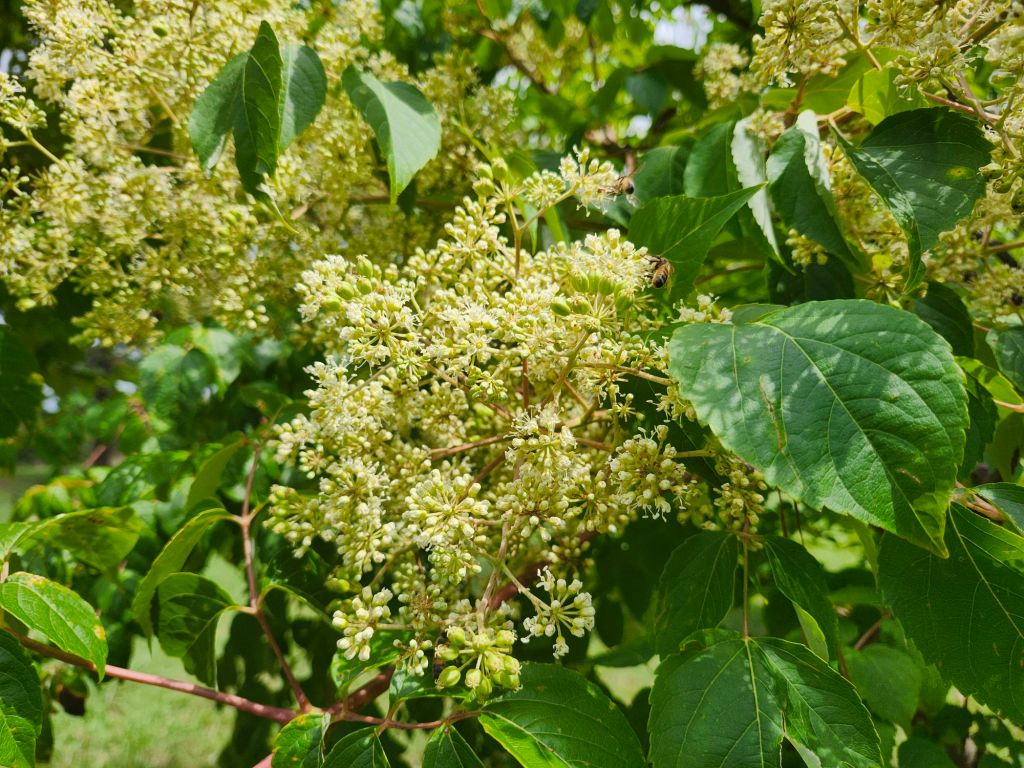
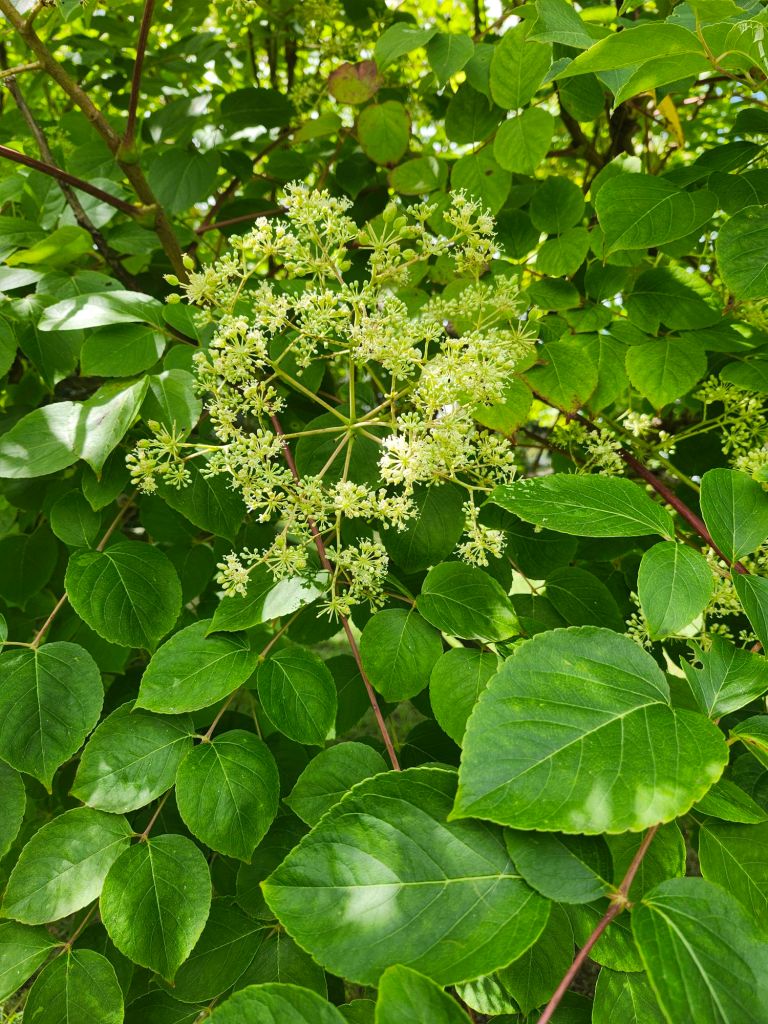
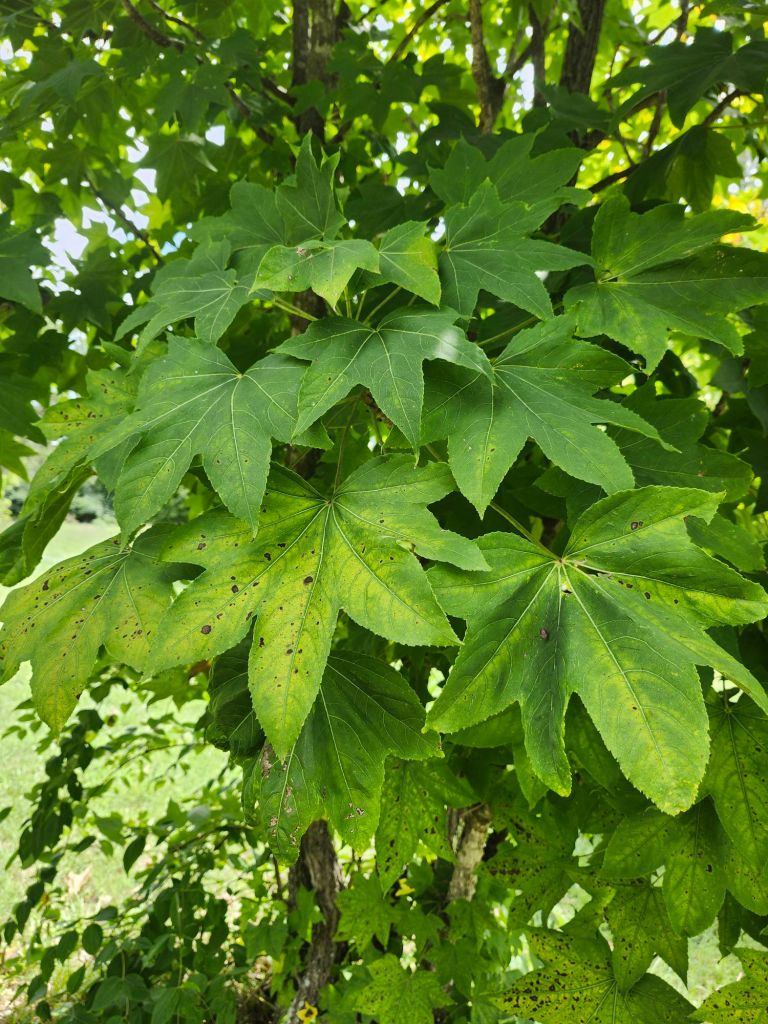
Their collections are wonderful, and I would be happy to go back tomorrow. The trees are glorious, with several displaying splendid seeds and cones. I enjoy roaming through natural spaces and gardens, and I really appreciate the inconspicuous tagging to identify trees.
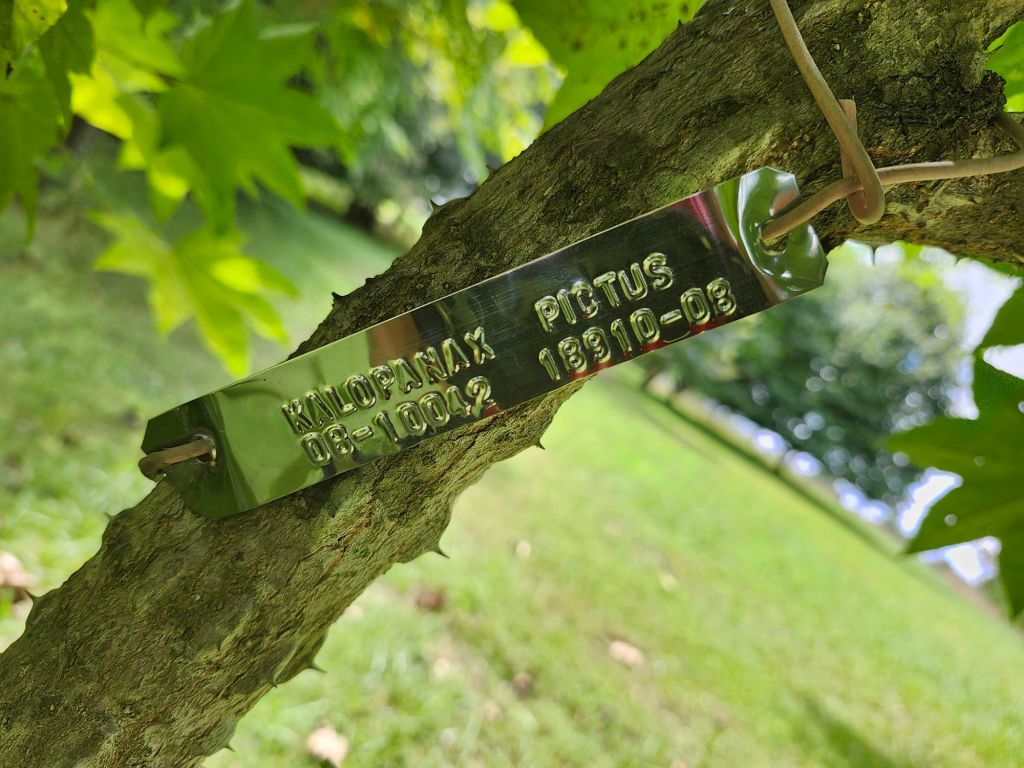
After my long day, the first thing I did after returning home was to order soft metal tags (above, from the Arboretum. Mine will be hand printed.) so I can add permanently etched plant tags to my Japanese maples, dogwoods, and redbuds instead of ink lettered tags that quickly fade.
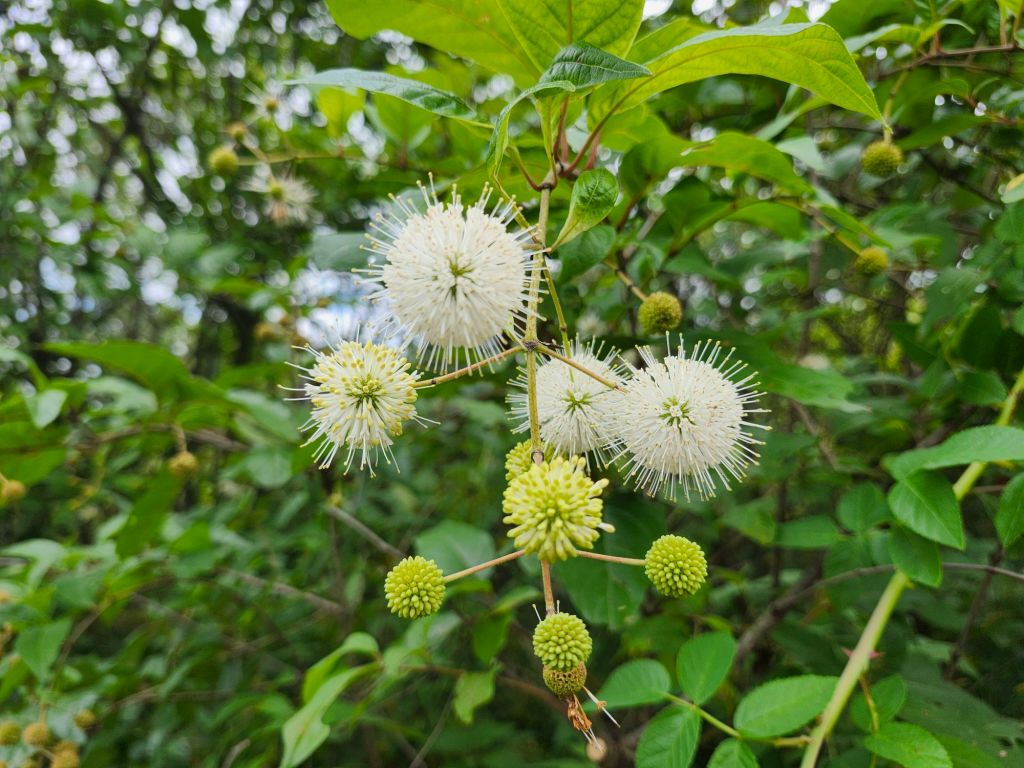
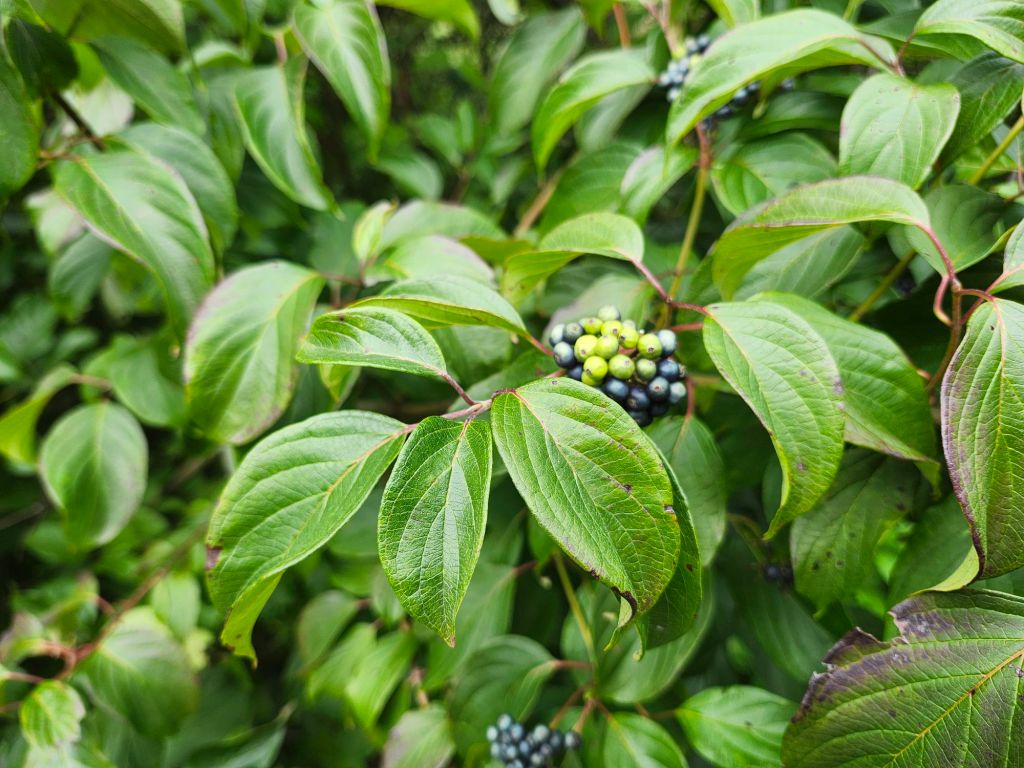
Of course, I was excited by many trees I saw, but I’d have to spend a week with a chainsaw to fit even one of the trees from the Arboretum into my garden. Still, if I can’t have them, at least I can enjoy them nearby.
 Ramblin' through Dave's Garden