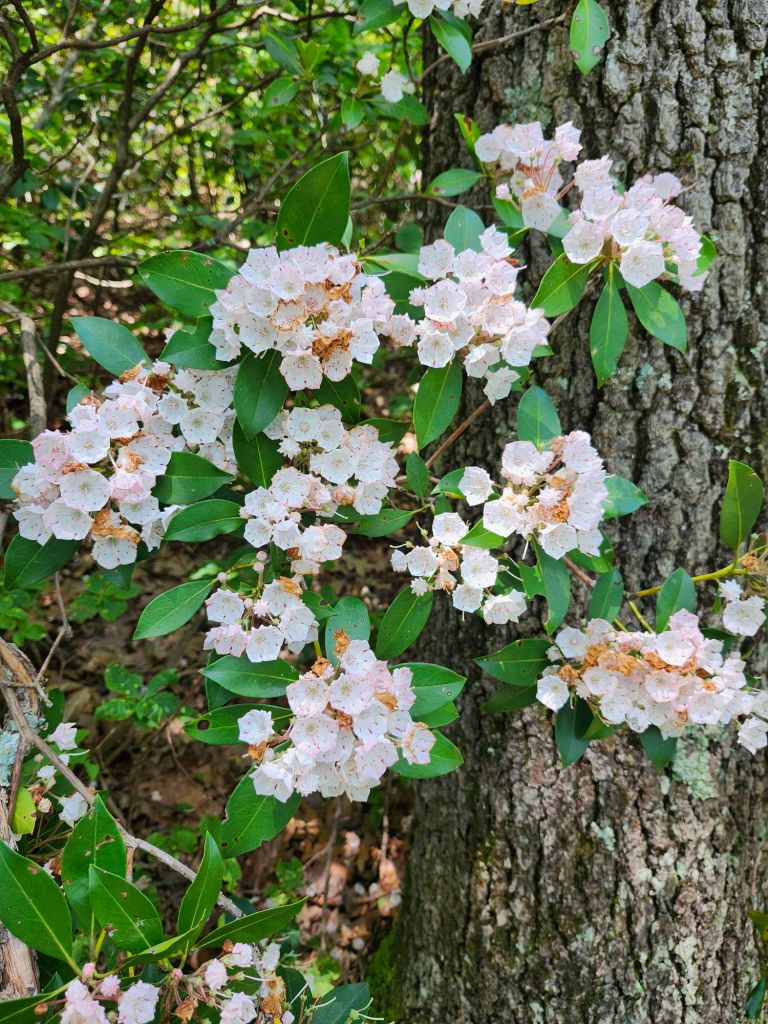
Closer to home, native mountain laurels (Kalmia latifolia, below) faded from bloom several weeks ago. On the Appalachian Trail at three thousand feet and higher, flowers are at their peak. Barbara and I were surprised and delighted to see so much flowering along this trail long after spring ephemerals had faded.
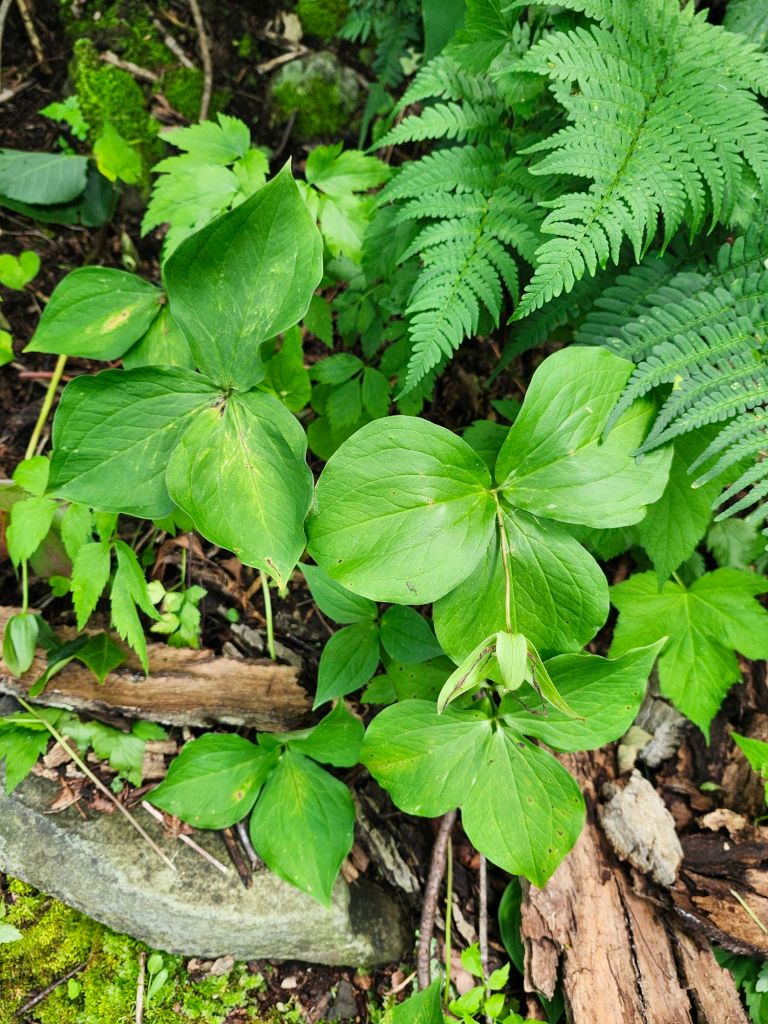
While temperatures topped out in the nineties (Fahrenheit) at home, after a short drive we hiked on this seventy-degree afternoon with a cool breeze. My wife takes this for granted, but be aware that hiking with me includes searching for and explaining botanical treasures. On this late June day, we found plenty.
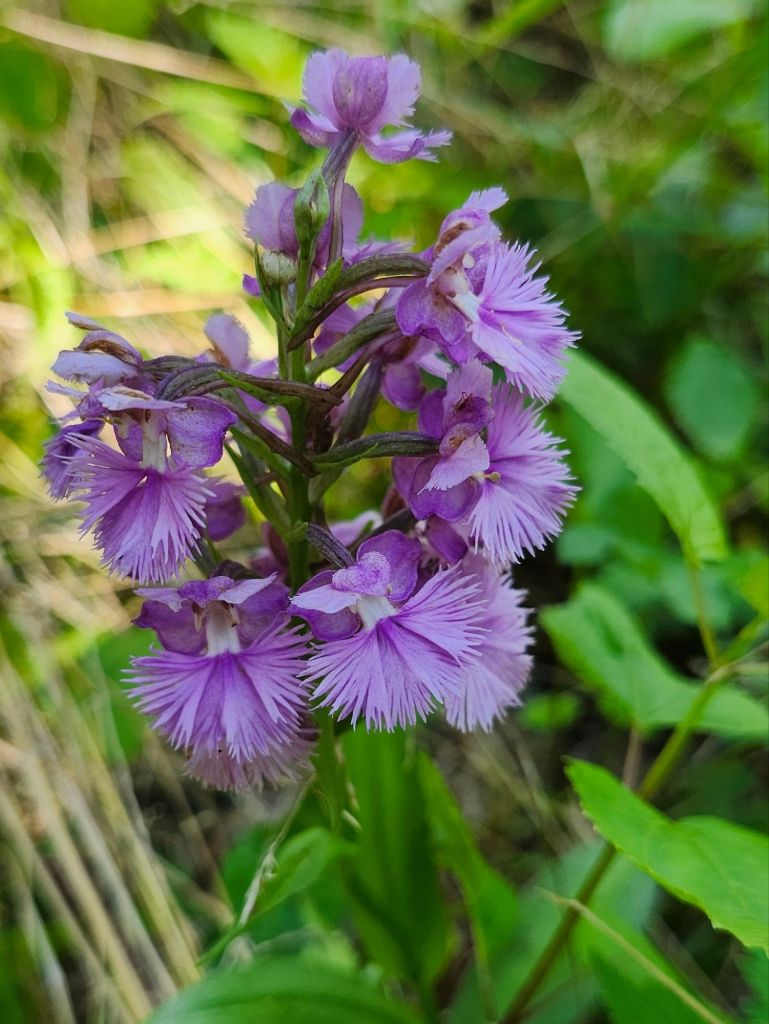
The best of the lot were fringed orchids (Platanthera grandiflora, above), though only one was flowering. I grew the yellow fringed orchid (Platanthera ciliaris) for several years until rascally rabbits chopped them to the ground, never to return. Of course, I will now search to plant the purple, but we were thrilled to see one in flower after seeing several in bud.
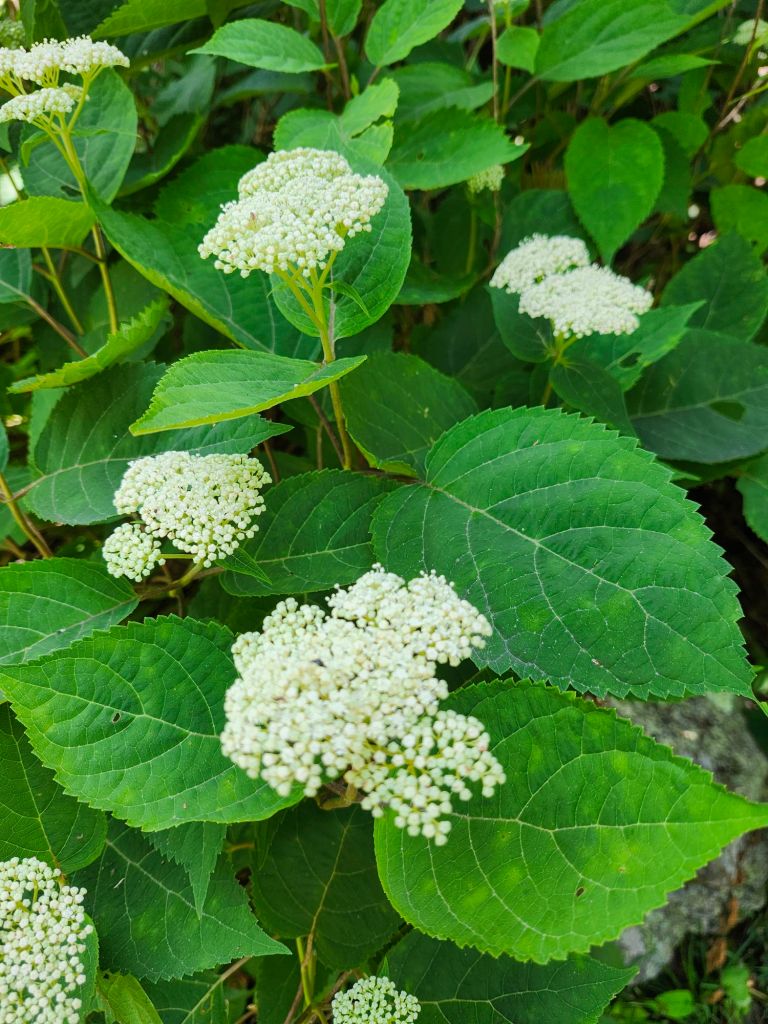
Smooth hydrangeas (Hydrangea arborescens, above) have been flowering in our garden in recent weeks, so it was not surprising to see many flowering at mid-elevations. A few hundred feet higher the hydrangeas were a few days from flowering. I must point out each plant of interest (to me) and explain the varied blooming times and of course, that garden varieties have been bred to have larger flowers and woodier stems so that the stems do not flop. While cultivated varieties often have large mophead flowers that obscure the fertile flowers, making pollination more difficult, we see many more pollinators in half-sun areas of the garden than in the shaded forest.
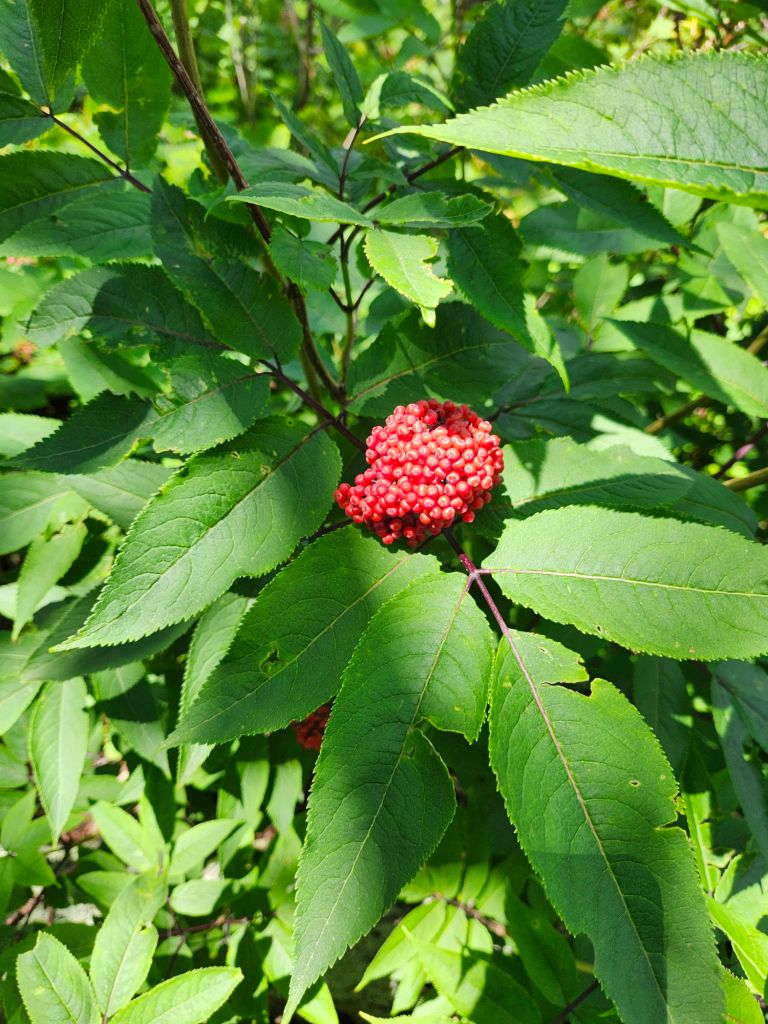
Elderberries (Sambucus racemosa, above) have moved from flowers we saw earlier in spring to clusters of red berries. There were many along the trail.
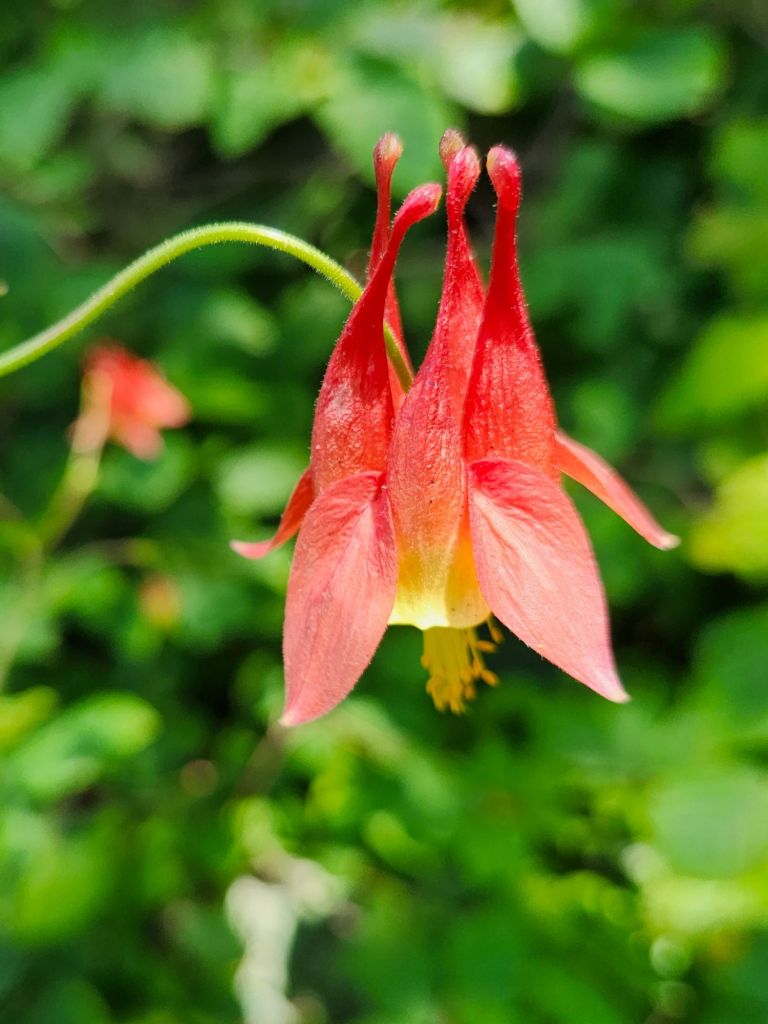
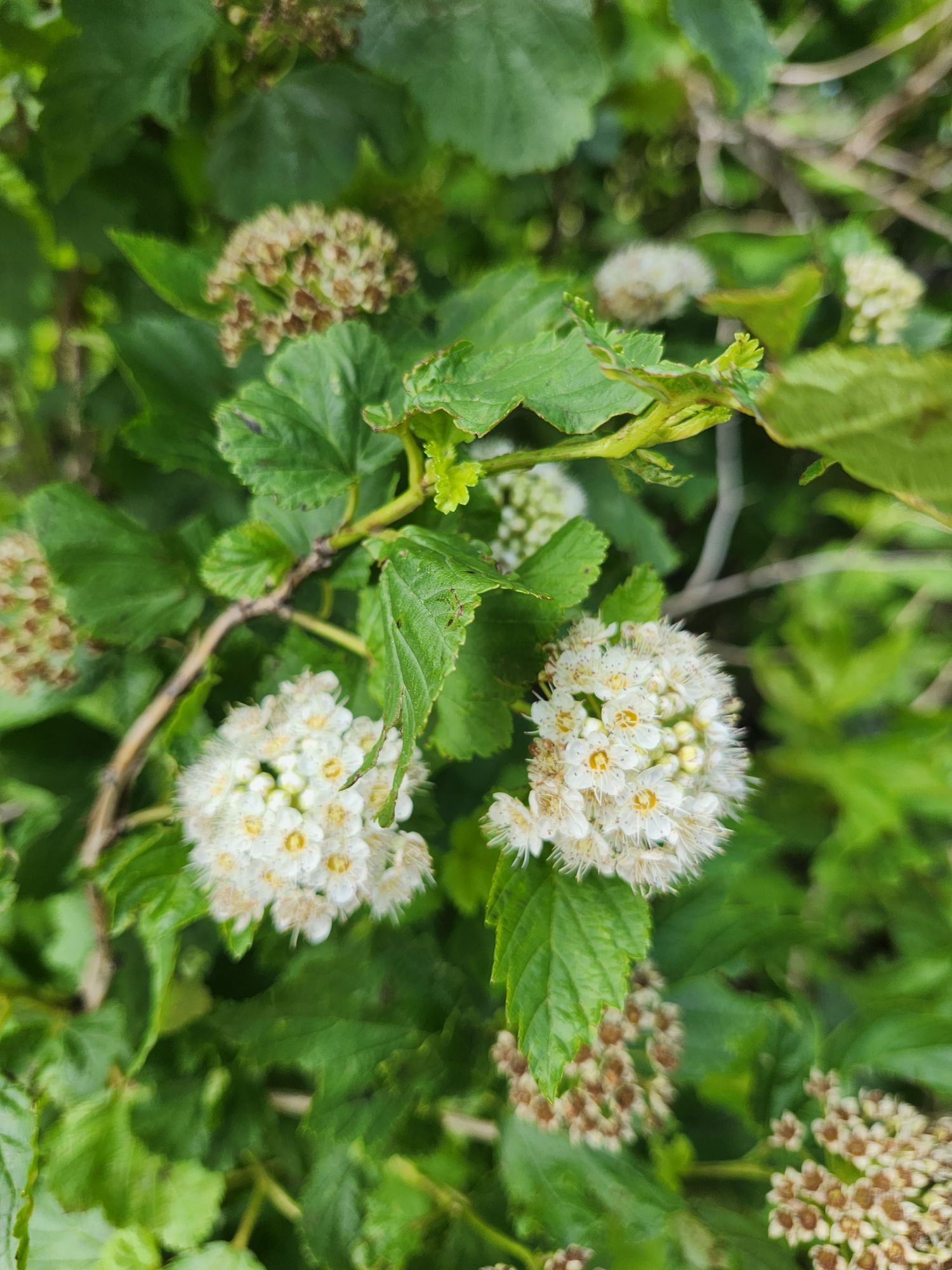
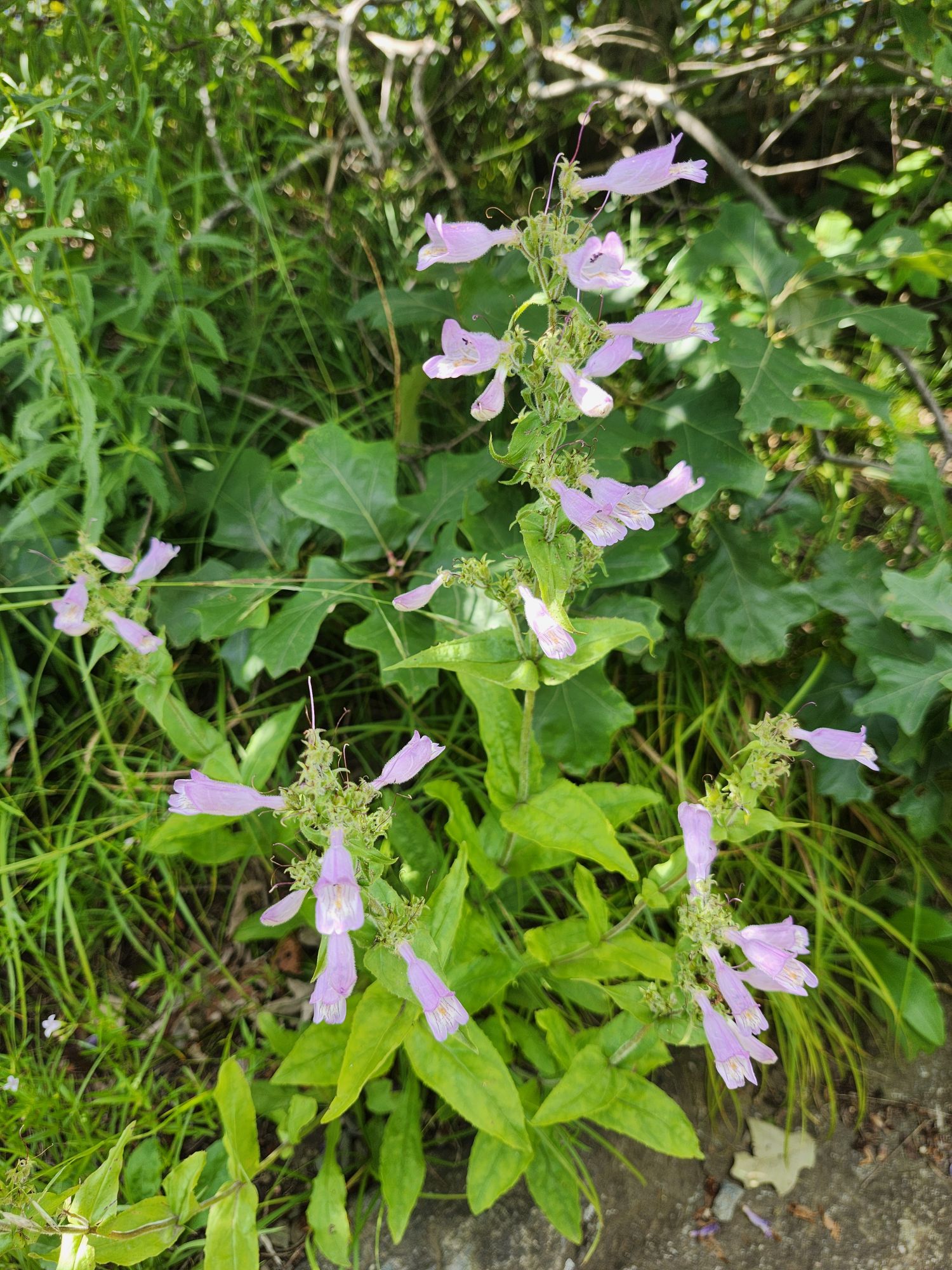
We were overjoyed to escape the heat, and delighted to see so many colorful blooms when we expected a nice green hike.
 Ramblin' through Dave's Garden