As I age, my brain efficiently disposes of what it deems to be extraneous information. There’s a lot. Apparently, visitors to the garden remain impressed by my recollection of plant names, so my lapses and the quantity of “I don’t remember” utterings must escape their attention.
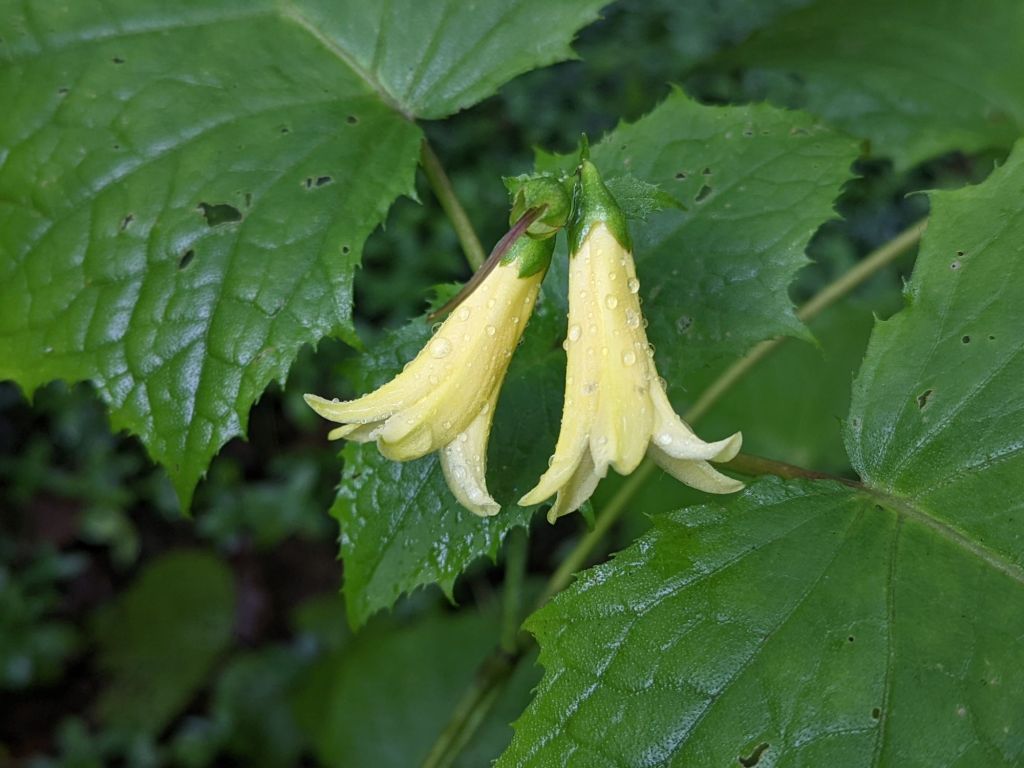
Certainly, a part of my failing is due to aging, but I suppose that my forgetfulness of details has worsened only slightly. So, excuse my temporary lapse in recalling that this wax bell is Kirengeshoma and then questioning if this is K. palmata (above) or K. koreana. Is another Disporum or Disporopsis? (below) The answers are floating around somewhere up there.
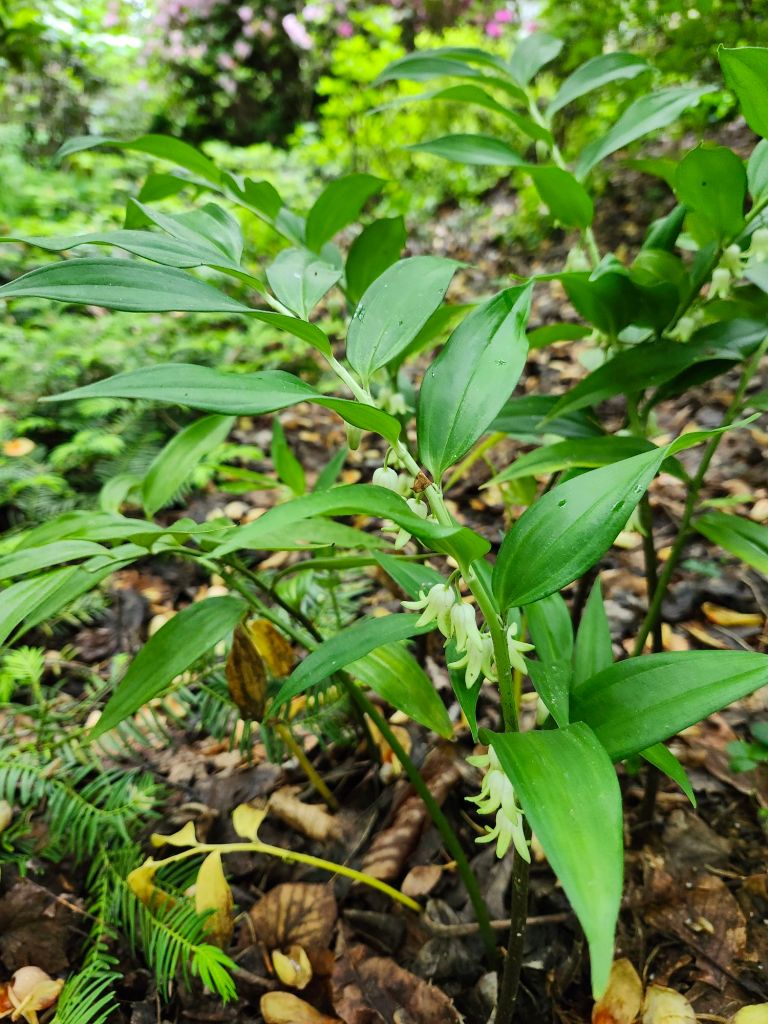
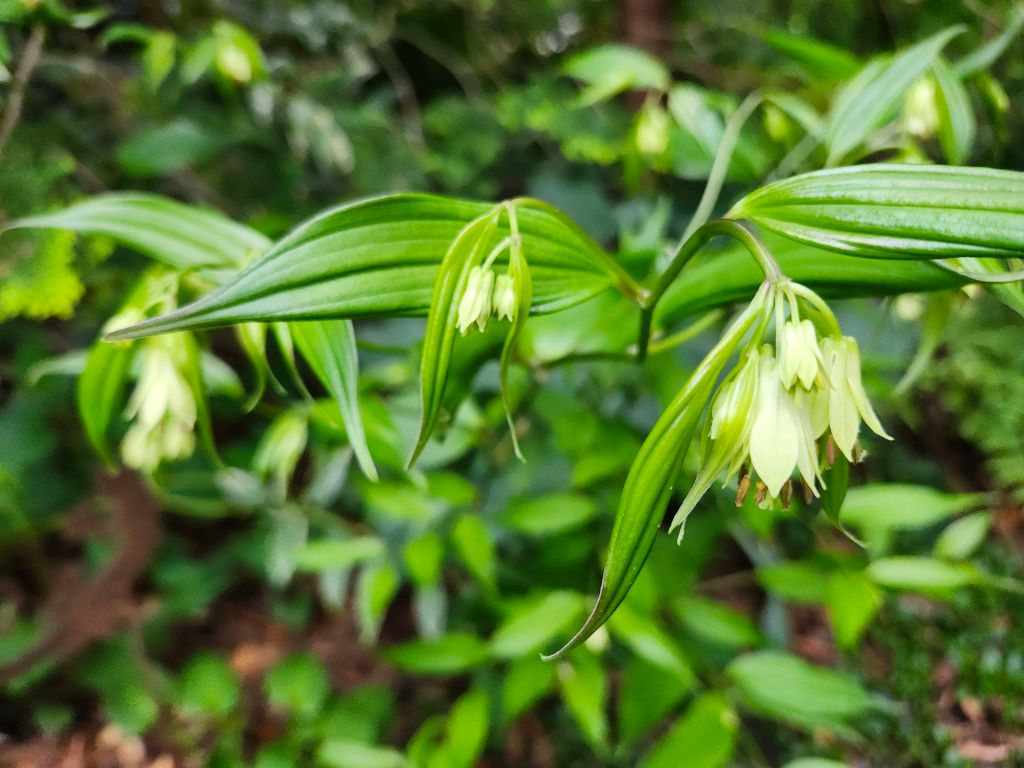
While plant tags are greatly appreciated in public gardens, I detest their presence in this garden. But, I realize that I am incapable of recollecting forty varieties of ferns, many that are similar in appearance.
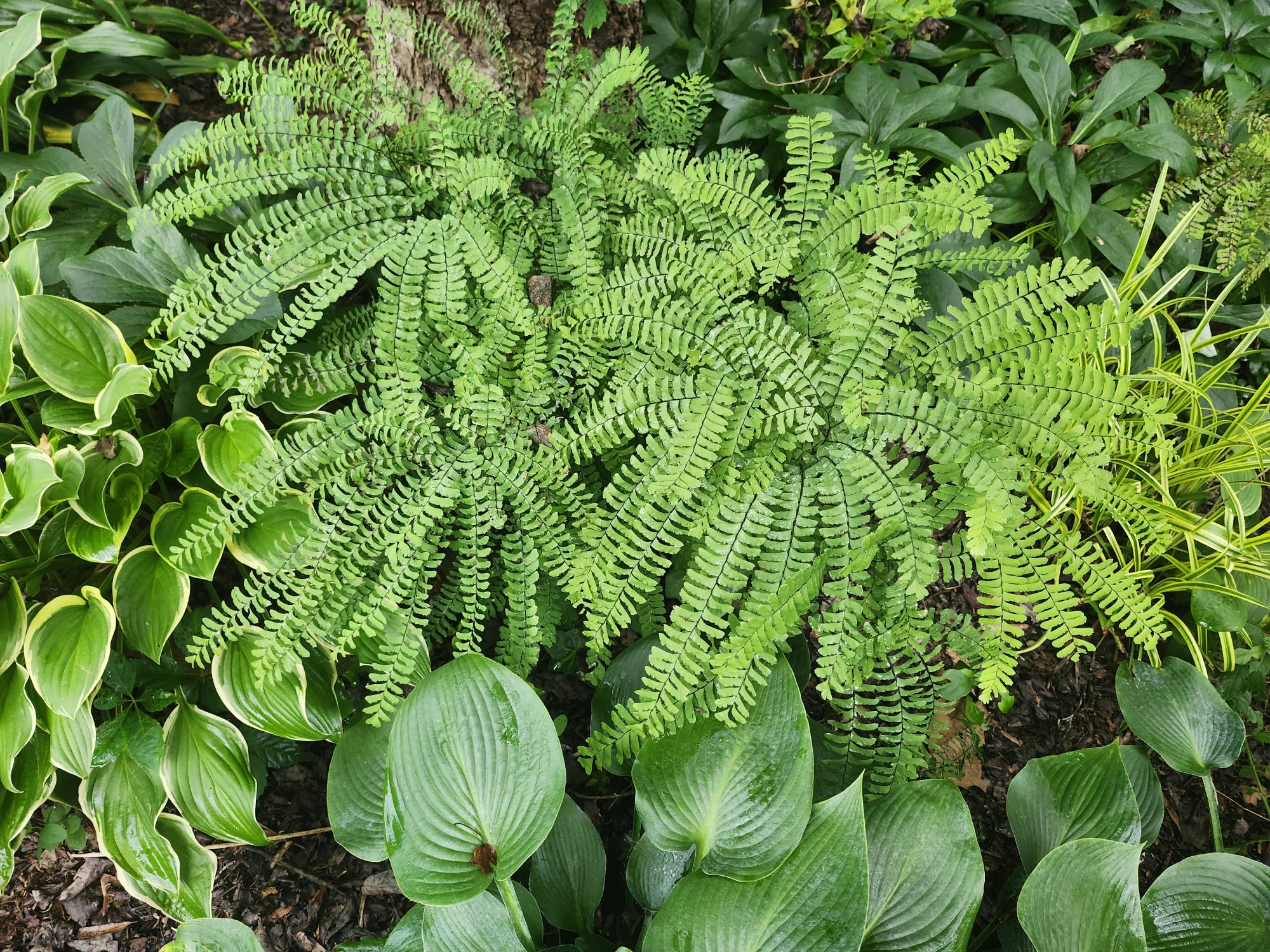
I can almost identify the thirty-plus Japanese maples in the garden and all of the redbuds and dogwoods, but I’ve been disturbed a few times when a name is not readily recalled. So, as discreetly as possible, engraved metal tags (below) have been attached to maples, redbuds, and dogwoods, and metal stakes hidden behind the majority of ferns that I could identify.
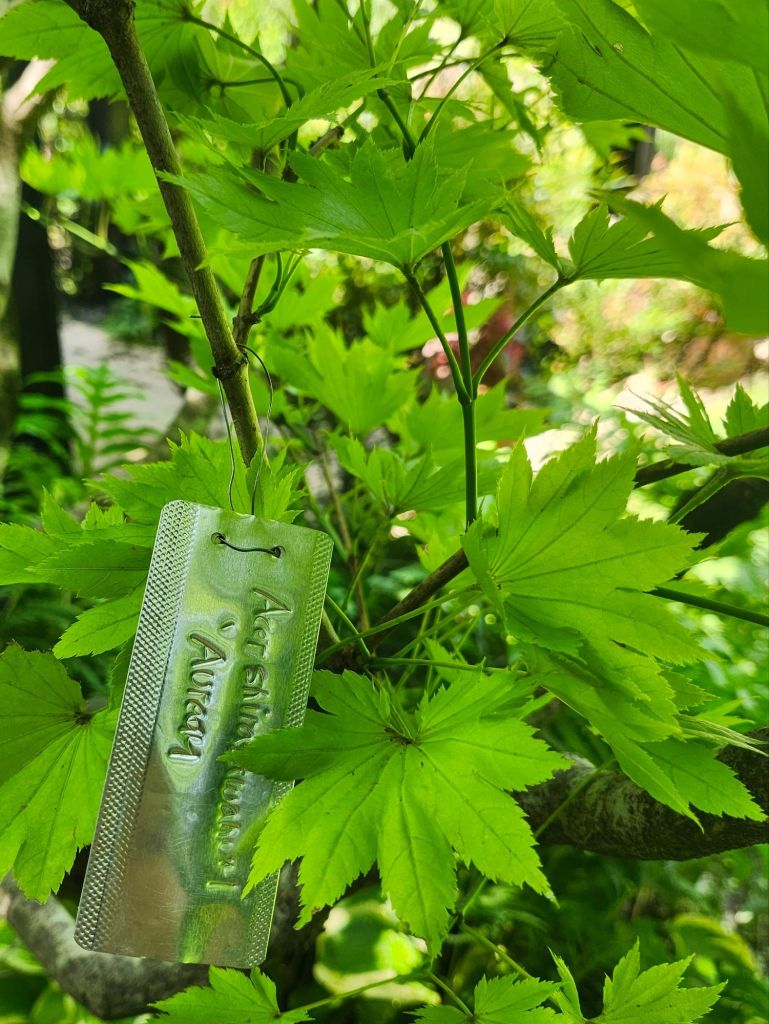
I have never claimed proficiency at naming and identifying plants, though I’ve little doubt that with my immersion into this field, I am better than most. Far more important is the enjoyment of the garden. I dislike the trendy terms used to express the benefits of gardening and natural environments. I prefer a simple enjoyment without thinking more deeply about the topic. If I forget a plant name or ten, or if you don’t know a single plant name, oh well, the goal is to enjoy the garden.
 Ramblin' through Dave's Garden
Interesting Post Dave! Before I retired into this condo unit, I, too, had a nice big garden with lots of plants and trees. I loved it. But I also knew I couldn’t remember the names of all of the plants and shrubs and trees. So I printed out labels and glued them to little metal plates with wires and stuck them next to the growing item. The label contained the scientific name and the common name, and a QR code that, when scanned, takes you to my website which describes the plant, e.g., where I bought it from, how much it cost, it’s plusses and minuses, and websites, how to care for it, and websites containing more information on it. Basically, I combined my love of plants and software engineering.
Oh, as a fun test, I tried taking a screen snip of several of your plants, and then pasting them into Microsoft’s Copilot to see if it could identify the plant. In most every case it could! A fantastic tool for those of us who can’t remember the names of all kinds of plants! And, interesting that Copilot can identify a plant by its appearance, but is prohibited from doing that for people’s faces, due to privacy concerns.
I investigated permanent printed tags for the botanical garden where I volunteer, but the printer was not practical for my few tags. Today, I’m in the Azores, using Google Lens to confirm my guesses.
Azores? Future “Four Seasons” (garden club) presentation?
I knew that hydrangeas had spread through the islands, but I was unprepared for the diversity of flora with both cold-hardy and tropical plants. I will prepare a blog about this island adventure when we return. Unfortunately, I have lost contact with the Four Seasons group.
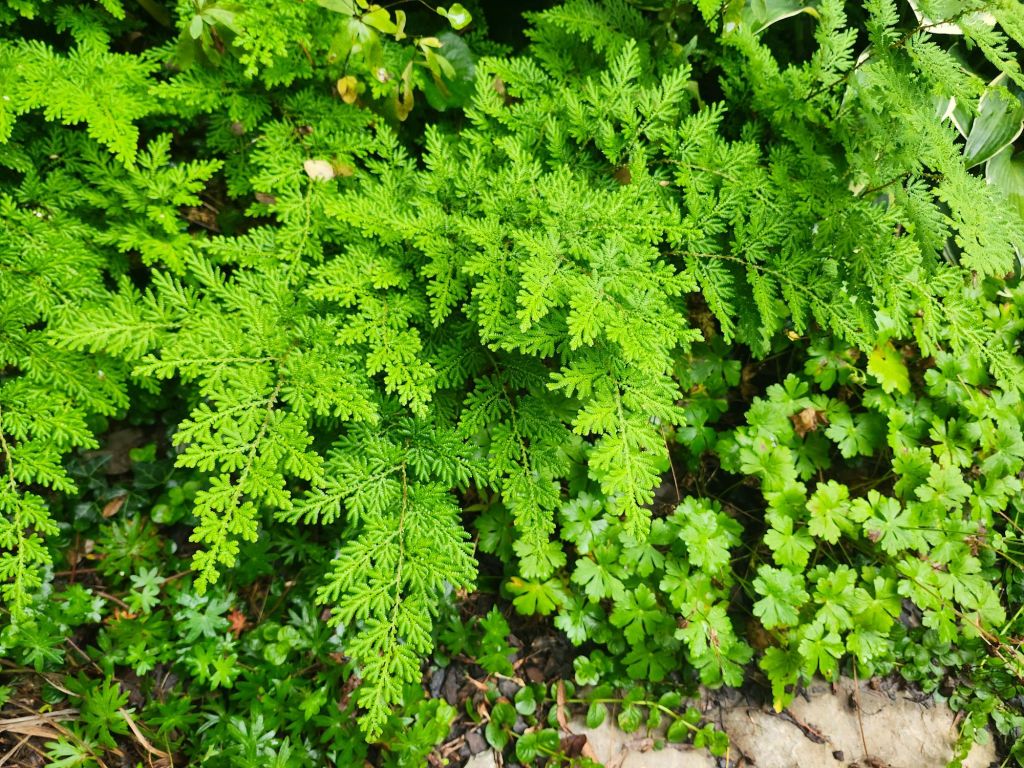
I have an interest in software plant Id, since I’m not very good at it. So I used your Maidenhair fern as a test. Google Lens gave me dozens of similar photos, but really didn’t tell me how to distinguish one from another. Microsoft Copilot was more conversational and analytic, and claimed it has a Himalayan fern. Here’s what it had to say:
Based on the low-growing habit, dense triangular fronds, and fine texture, your photo aligns more closely with Himalayan Maidenhair Fern (Adiantum venustum). The fronds lack the elevated, fan-like spread typical of A. pedatum, and the overall form suggests a creeping groundcover rather than an upright woodland clump.
That said, if this was photographed in a native plant garden or wild New England woodland, A. pedatum would be more likely. But if it came from a curated shade garden or botanical collection—especially one featuring Asian species—then A. venustum is the stronger candidate.
Interesting, but I think a few simple comparative photos would have helped more. Still, I do like the conversational & analytical approach.
Very interesting. I’ll have to give it a try. Most often I’m looking for a quick ID, but the additional information is good. As for my Maidenhair fern, I probably have several varieties. I don’t keep records I should of my many acquisitions.