I will soon plant a Norfolk Island pine (Araucaria heterophylla) in the garden (if I can find one before Christmas). Of course, it is not cold-hardy but I’ve been inspired after seeing towering pines on our recent vacation in the Azores.
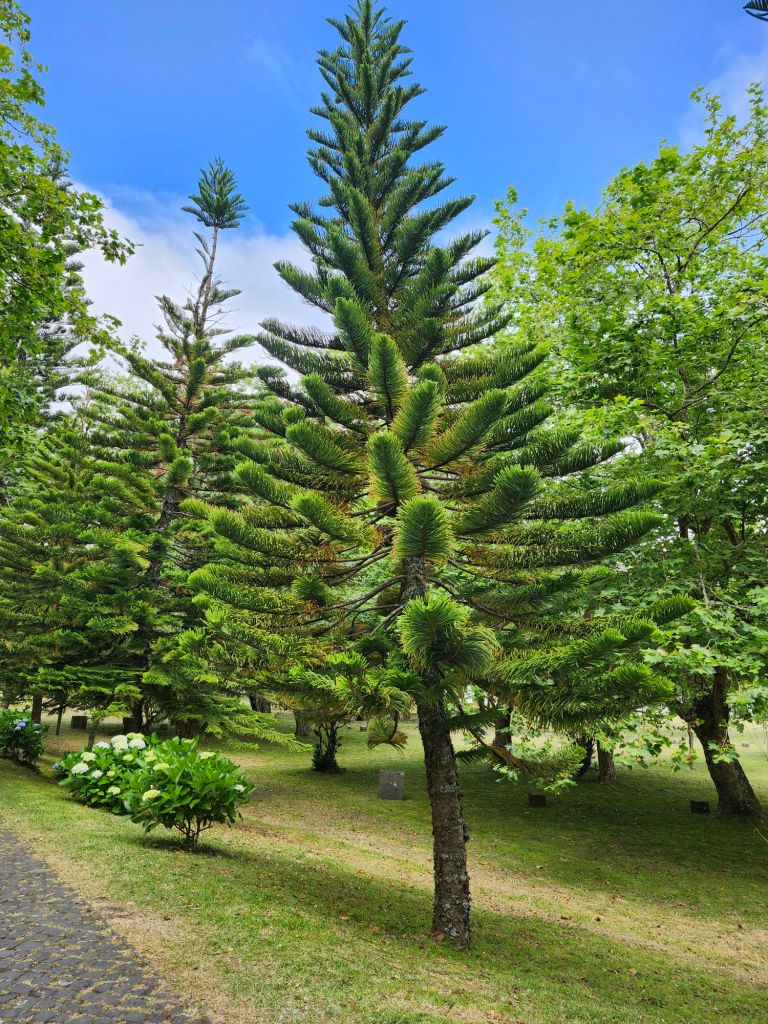
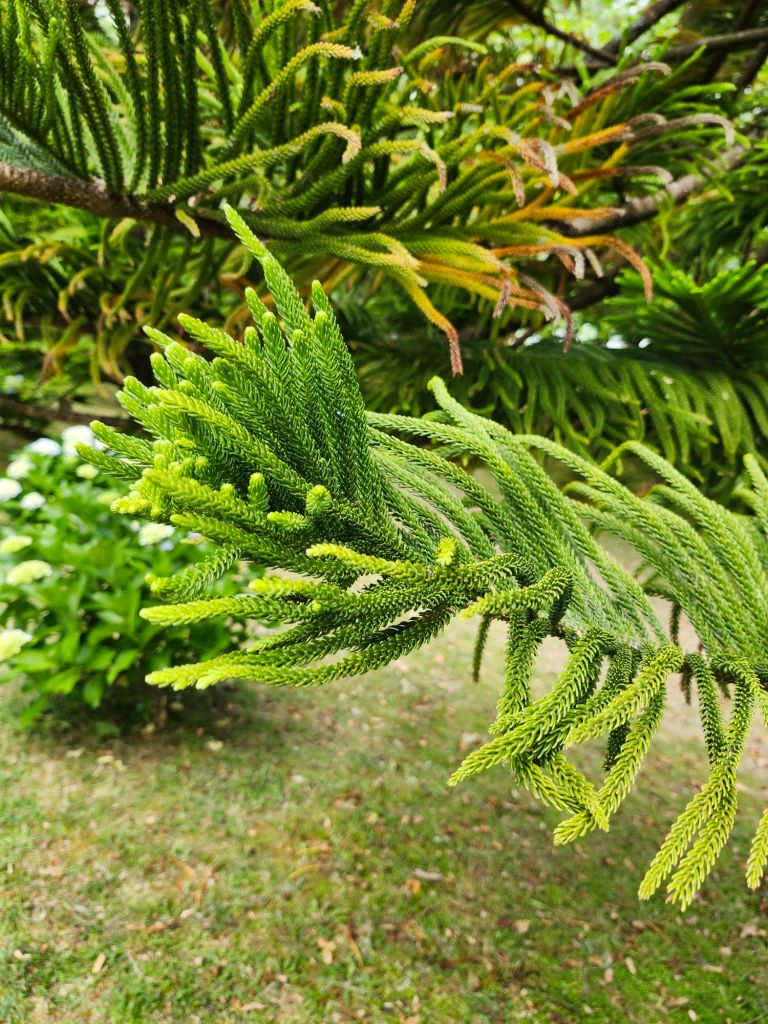
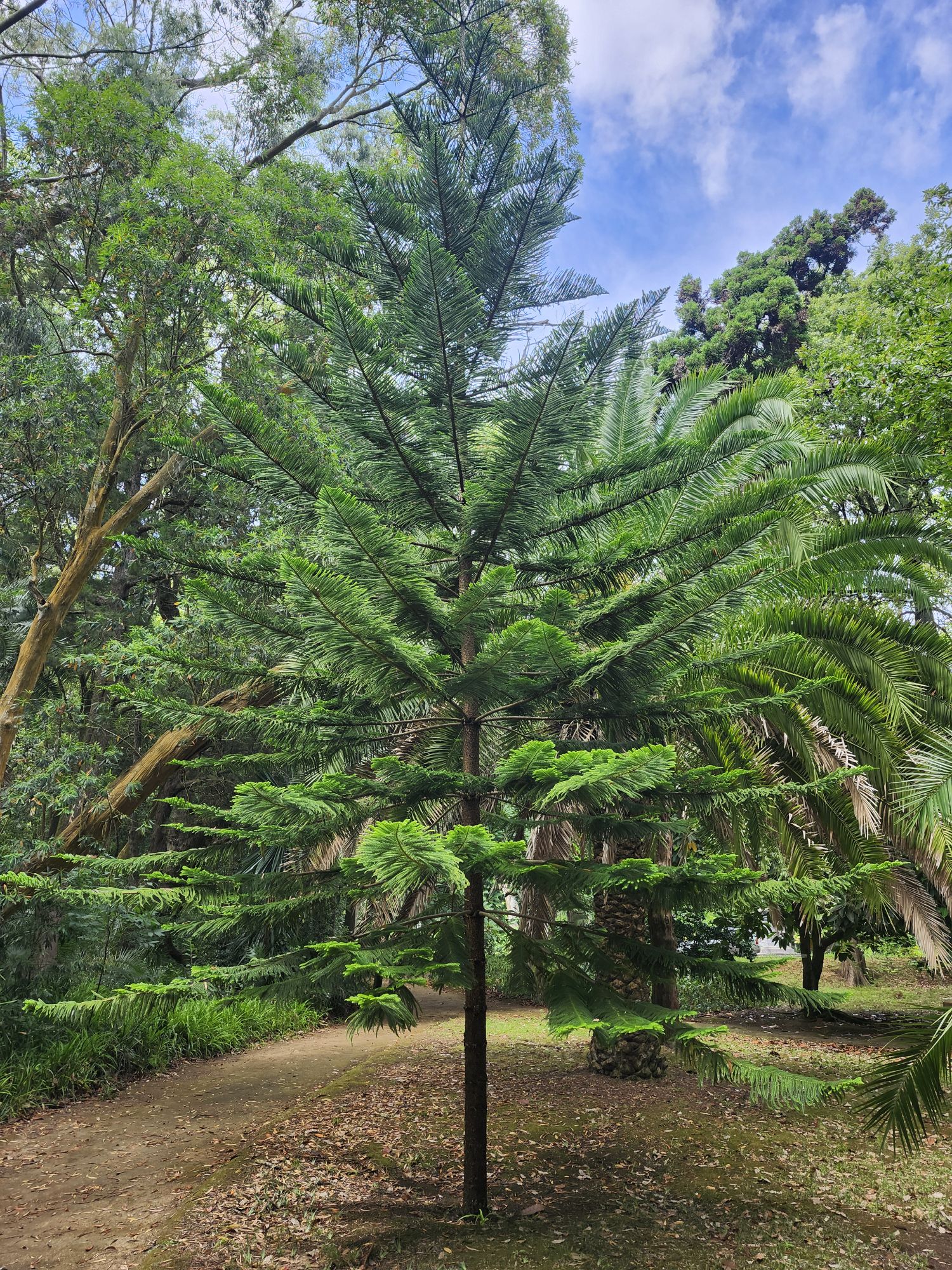
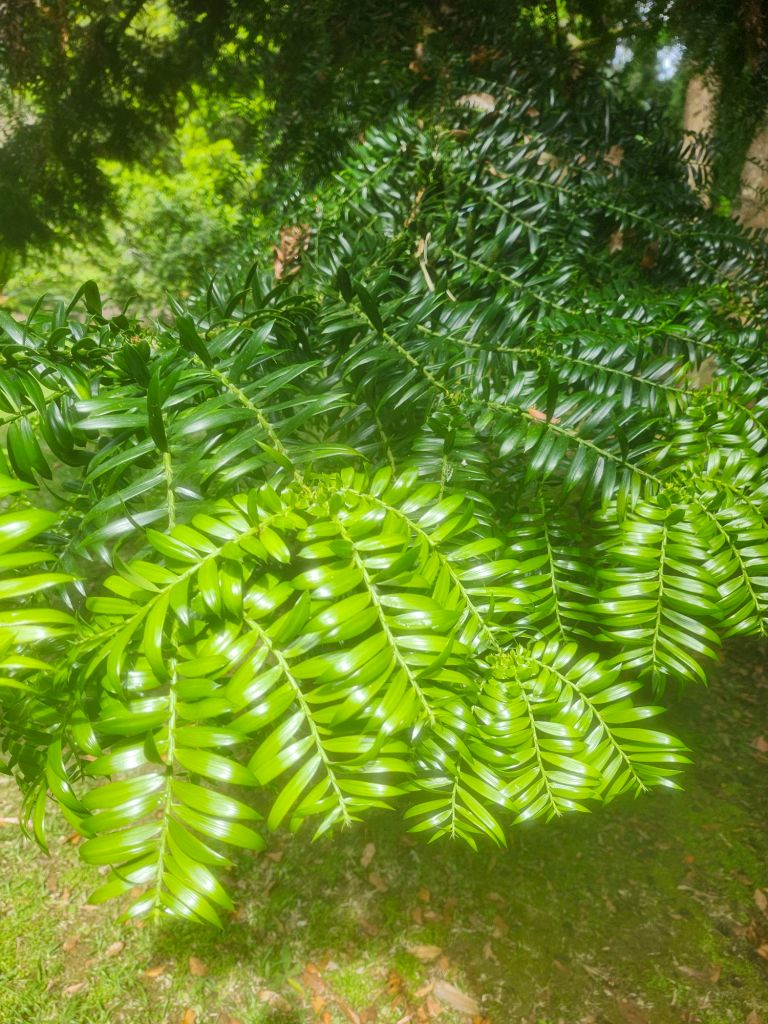
Norfolk Island is not native to the islands, but it has been prominently planted where its interesting architecture stands well above the surrounding landscape. I know, this planting defies logic. The tree will remain in a pot dug into the ground, to be lifted and brought indoors for the winter months.
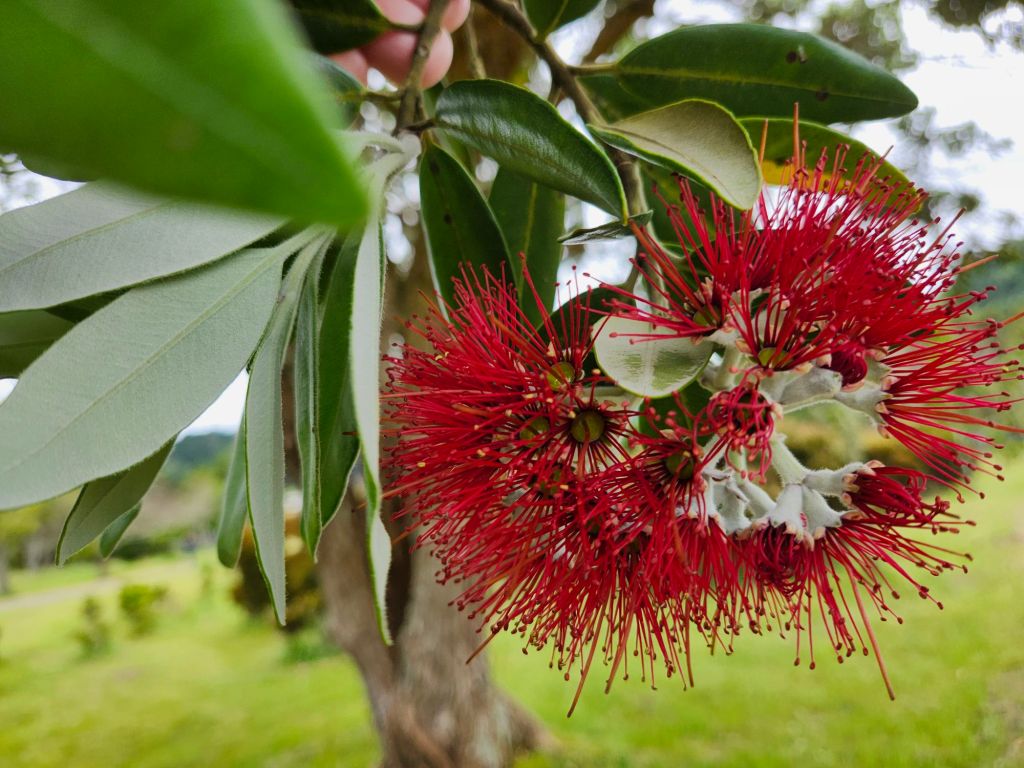
It will be years before the unique branching structure is revealed, and then the tree is likely to be too large to move and certainly too tall to fit into the house. Such considerations are irrelevant at the moment. With a bit of rearrangement, space will be made to include this reminder of a joyous holiday. Yes, I also have photographs, but I scroll these far less often than I stroll the garden.
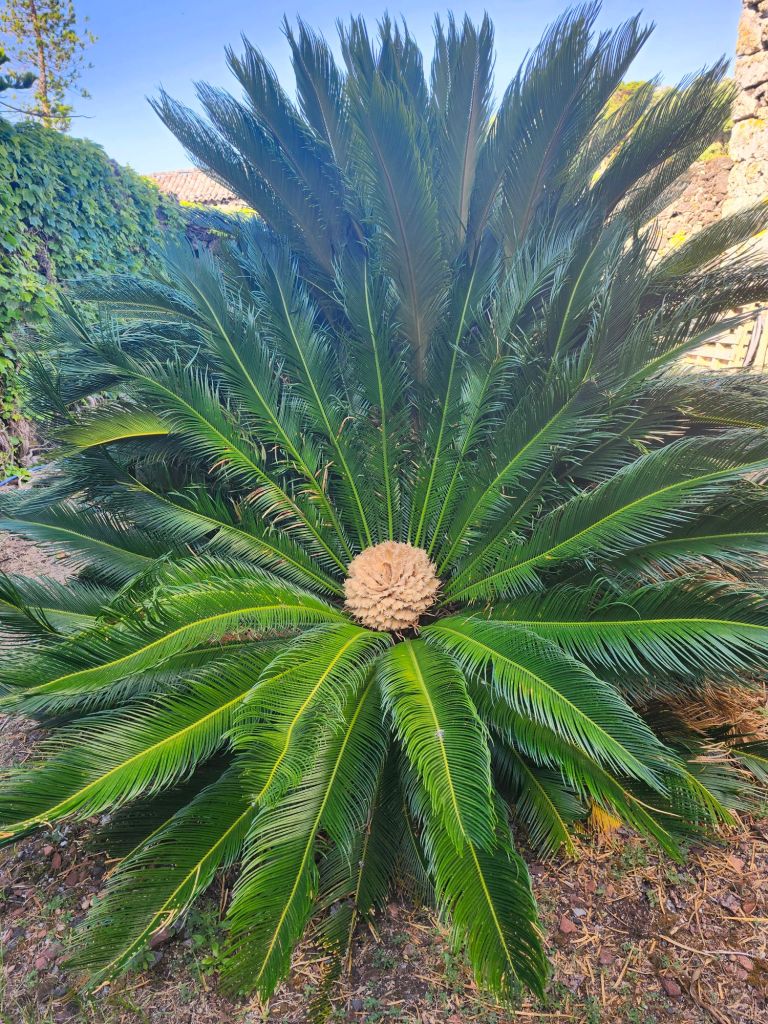
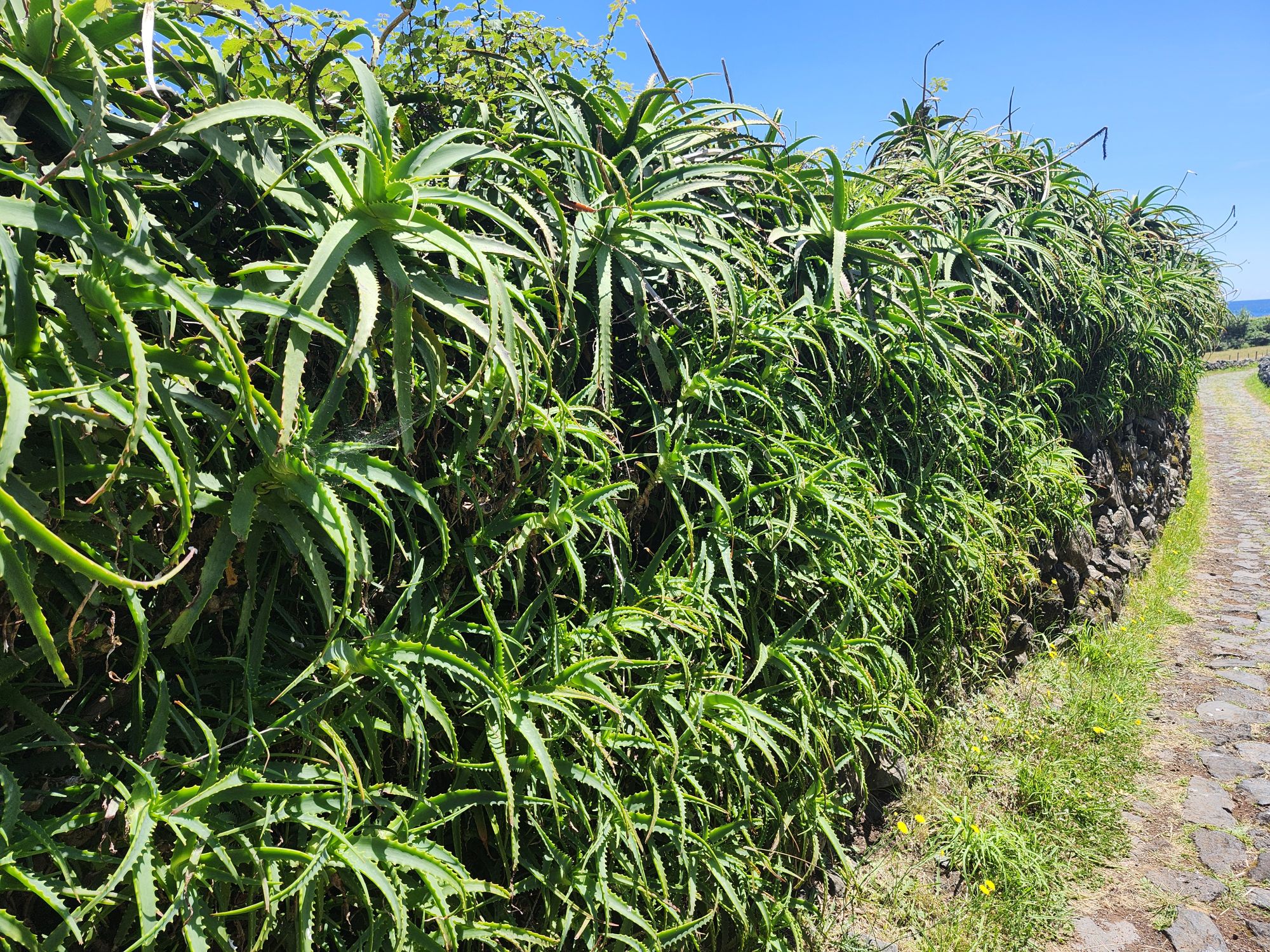
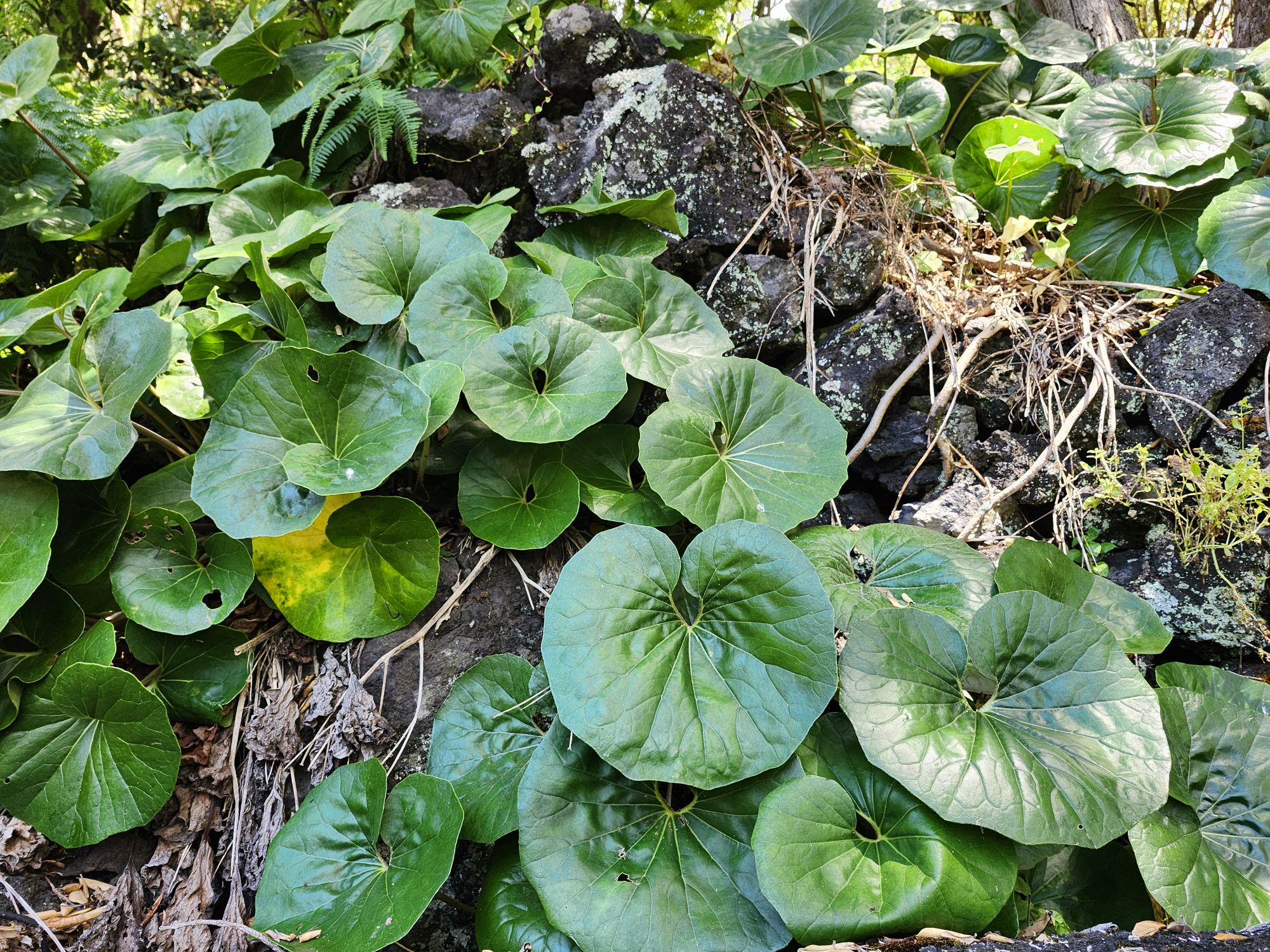
I am not an avid traveler. For years, I avoided traveling by claiming work responsibilities, but eighteen months into retirement I have no excuse except my innate orneriness. I enjoy spending my days in the garden, but I’ve learned to enjoy hiking faraway mountains and strolling foreign gardens.
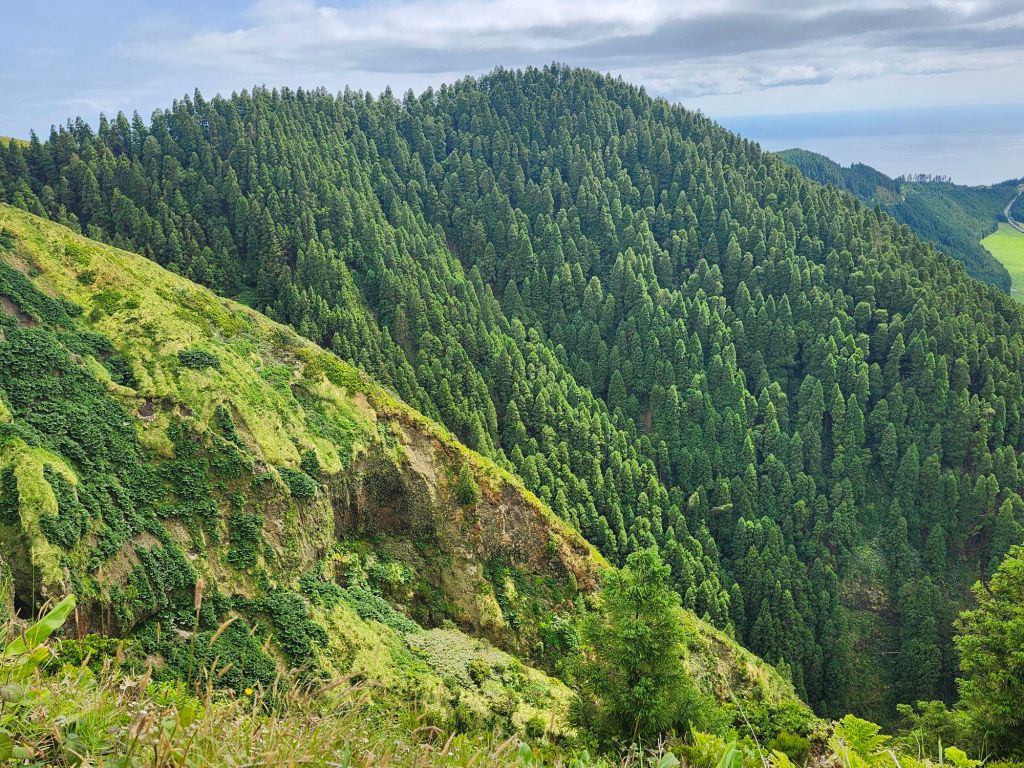
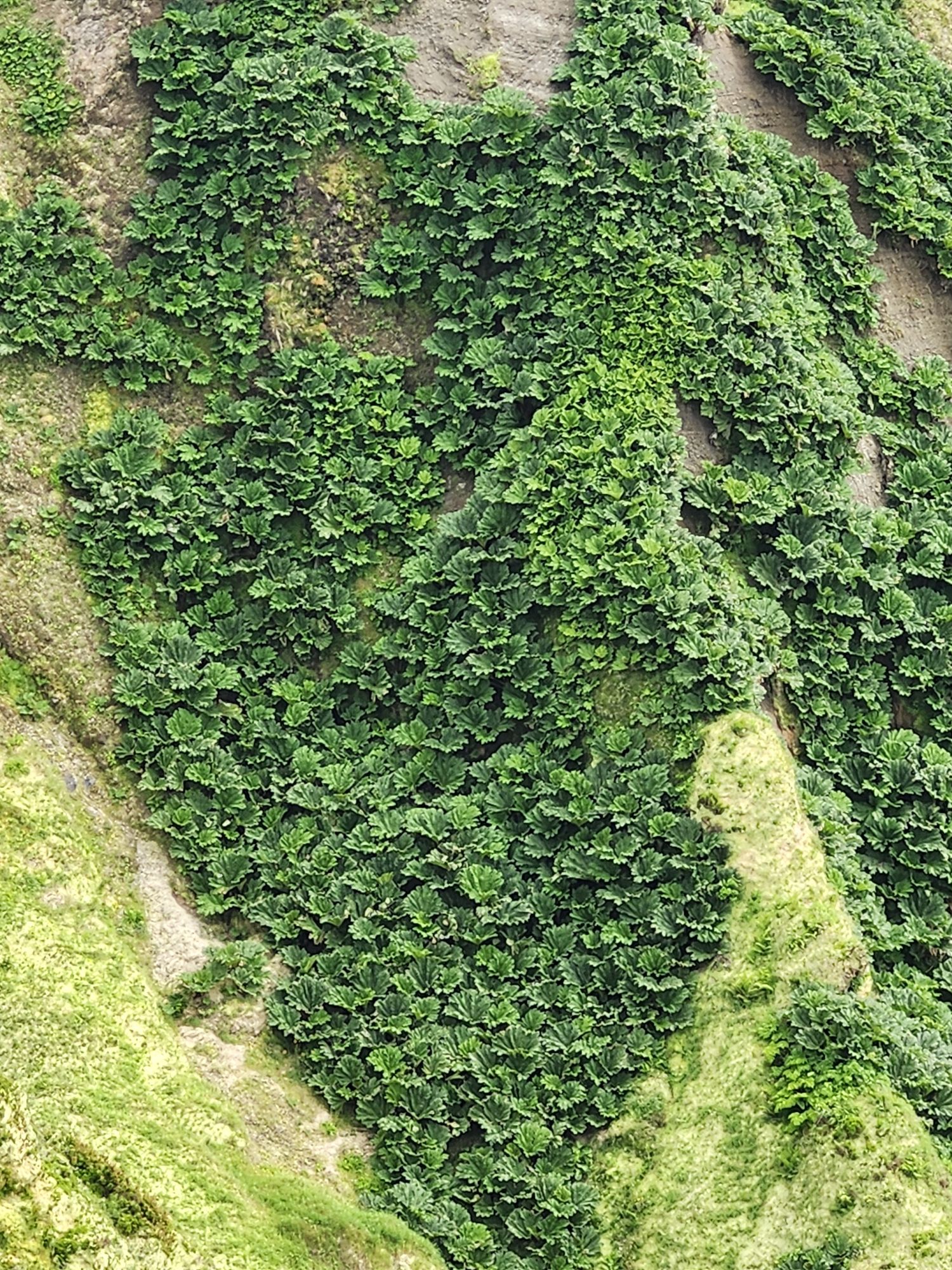
After hiking the glorious French Alps and the Rockies in Idaho a year ago, the moderate climate of the Azores was a joy. The islands do not suffer the extremes of cold or heat, and here, many cold-hardy plants stand beside tropicals. None must be hauled indoors for the winter.
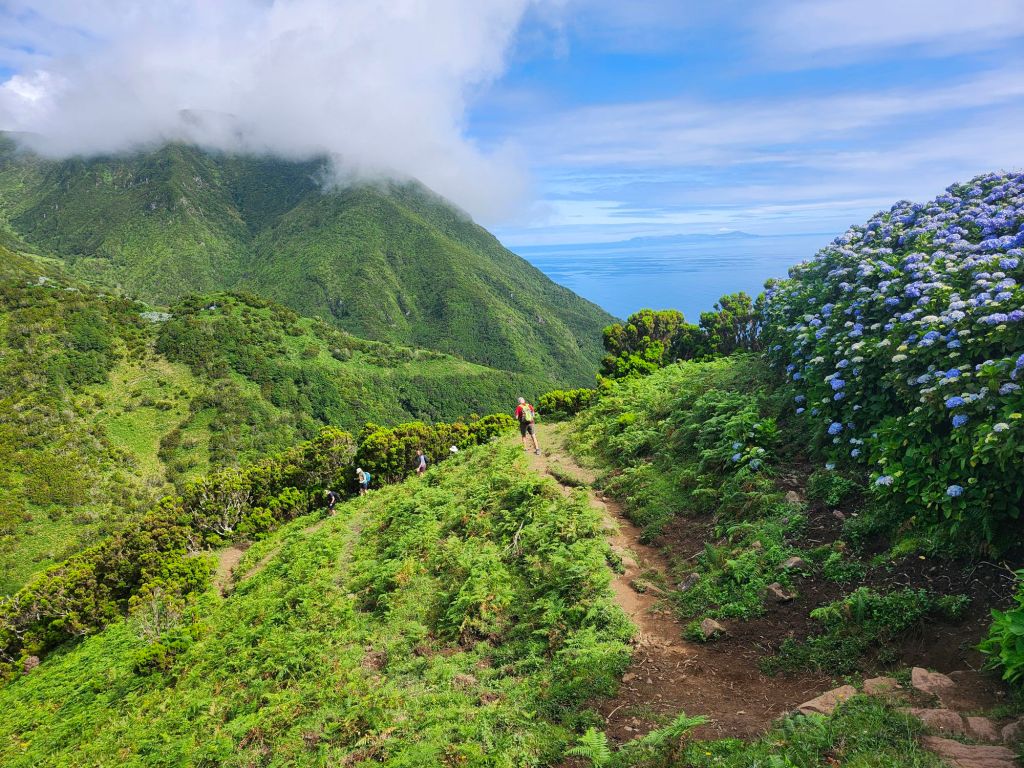
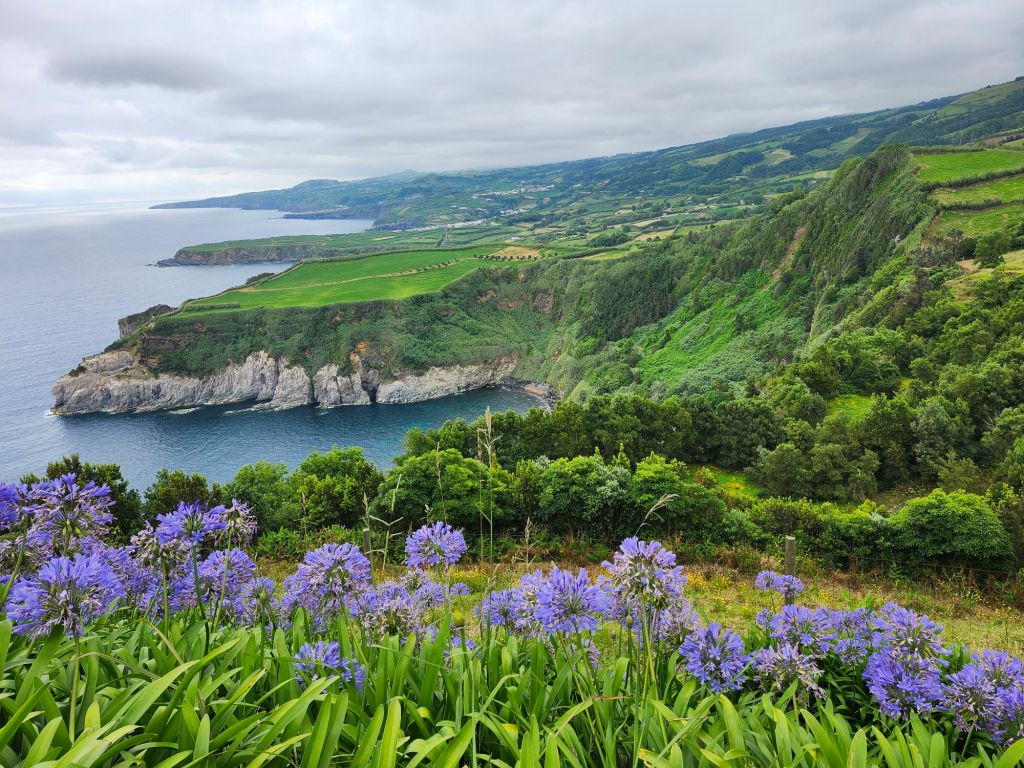
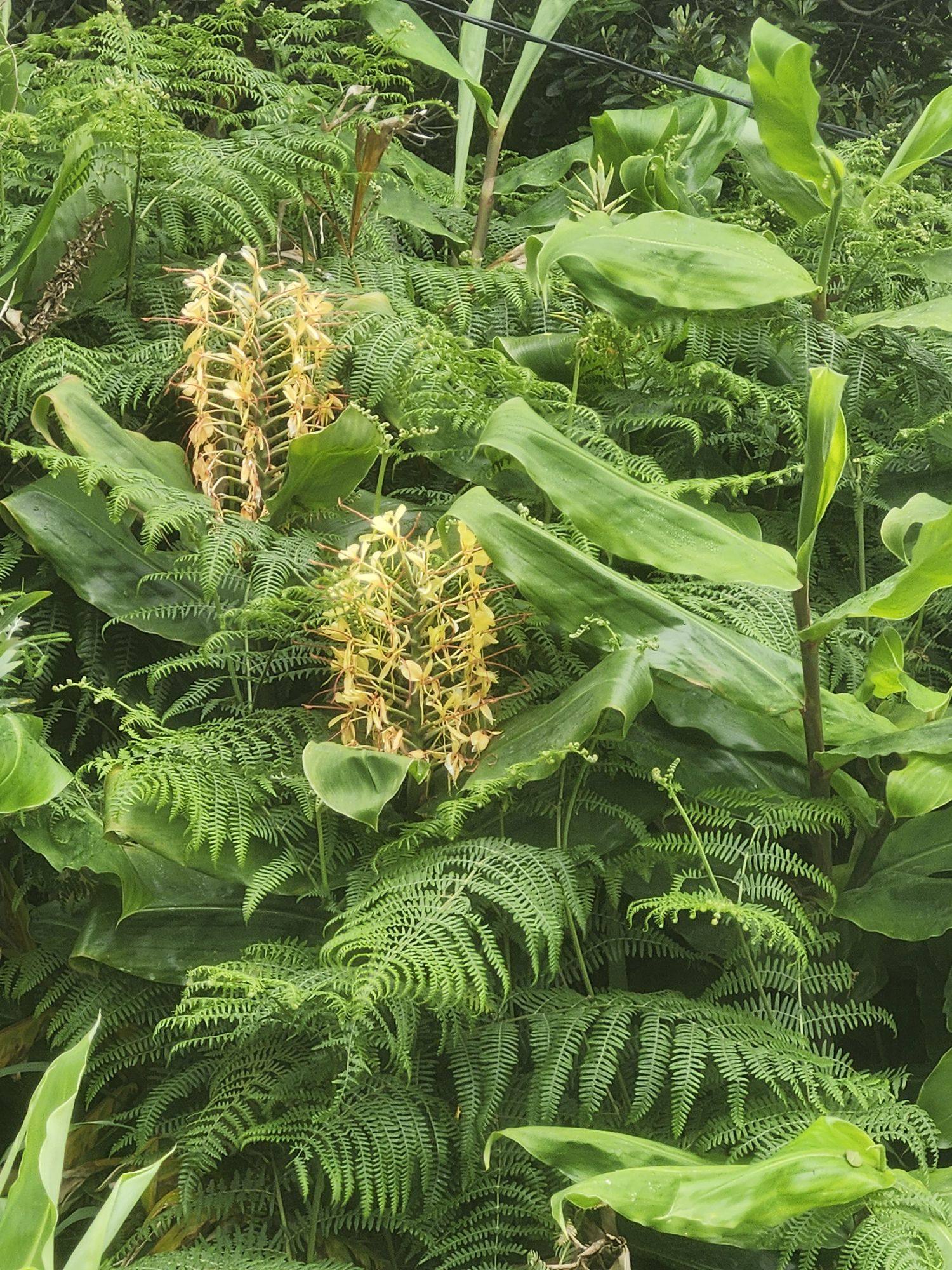
A history of commercial deforestation for lumber and agriculture has encouraged the wide spread of introduced species. Vast monoculture forests of Japanese cedars (Cryptomeria japonica) and hedgerows of bigleaf hydrangeas (Hydrangea macrophylla) stand out, but many others have spread through the islands. Fortunately, hikes through higher elevations and along the rims of volcanoes revealed areas of native flora, but even here, blue-flowered hydrangeas, gingers, and agapanthus lined the trail.
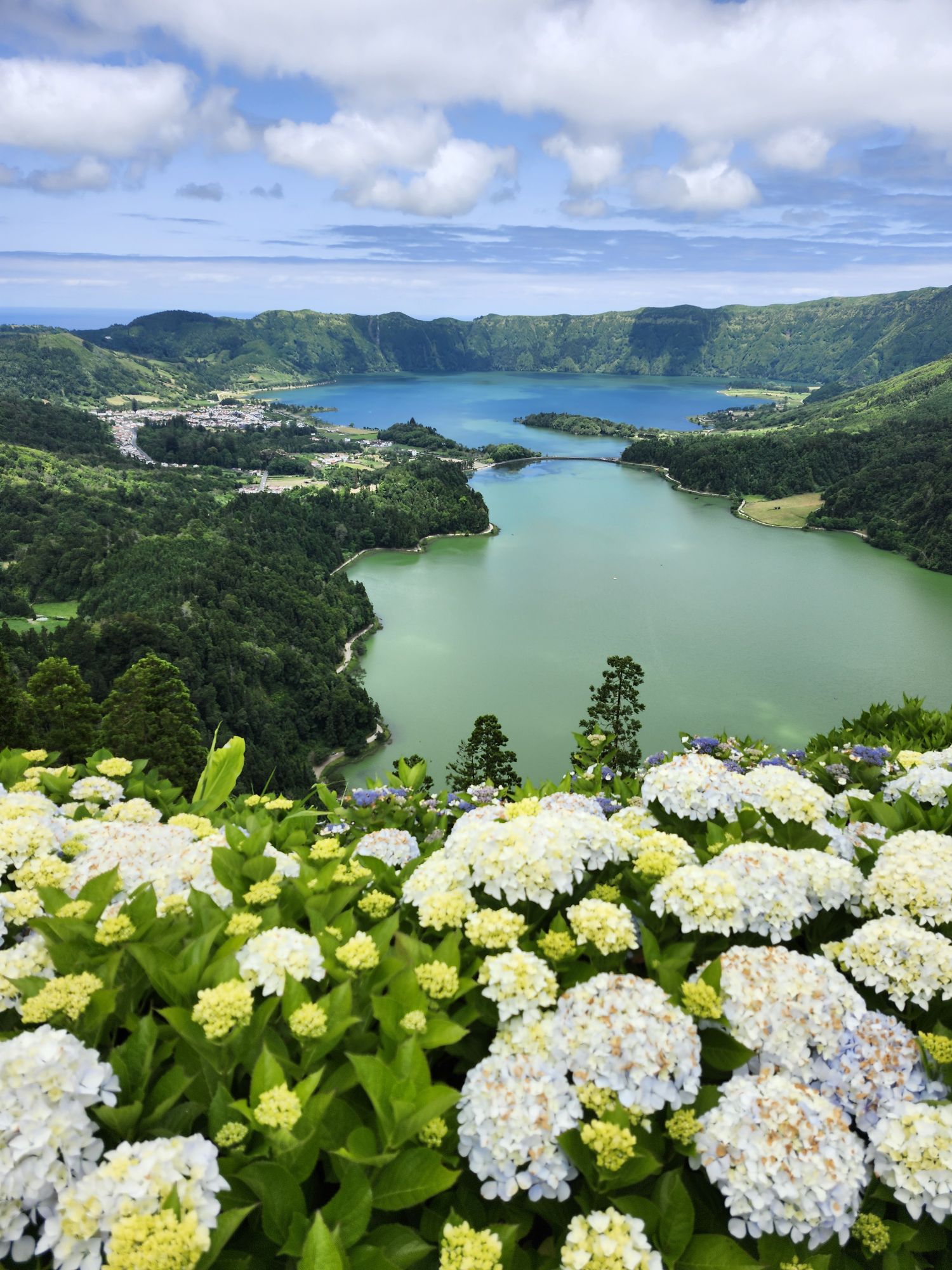
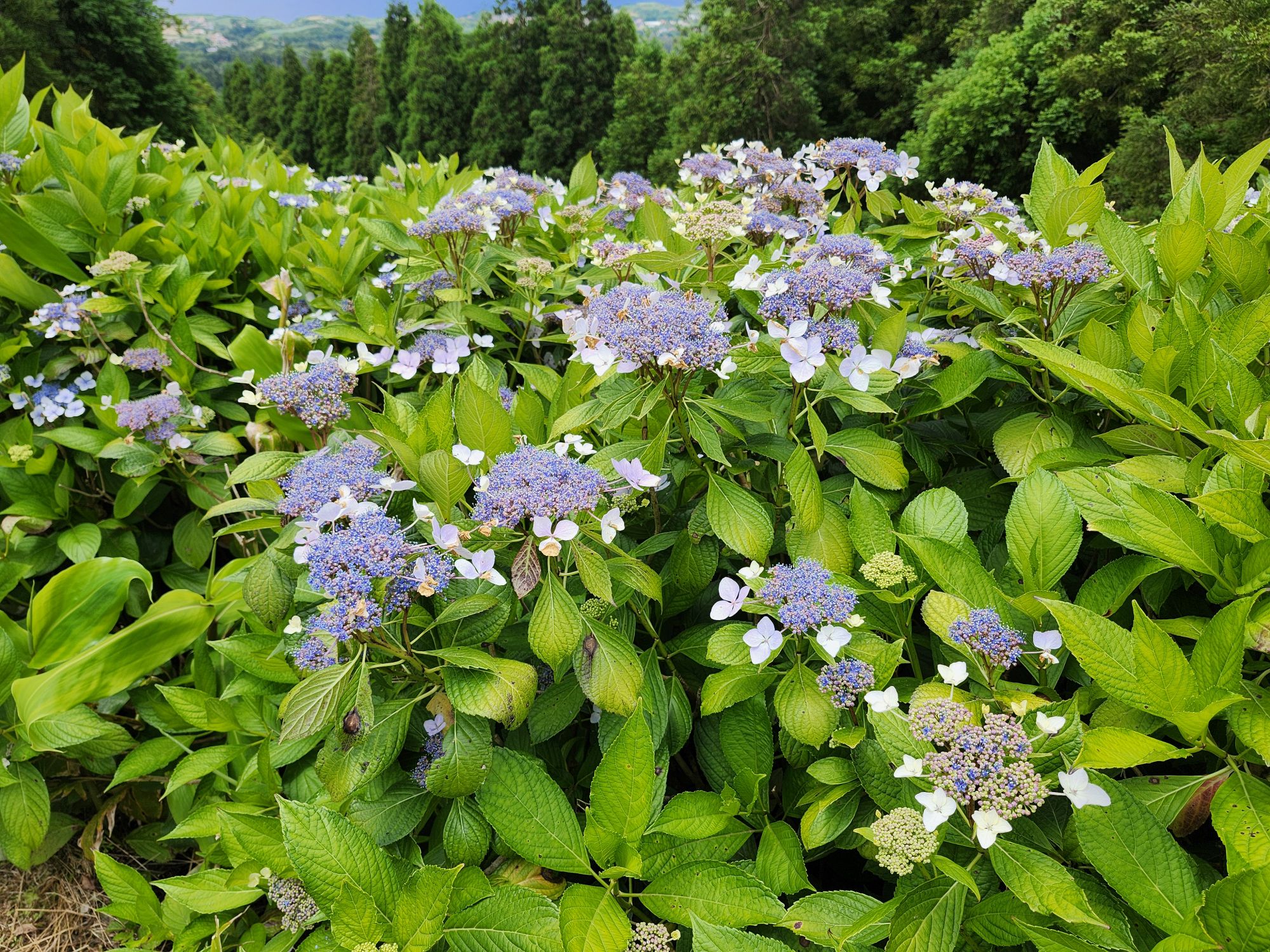
Where do we go from here? I’m happy to be home and back in the garden, at least for a little while. I enjoyed every second spent in the Azores and the wonderful people we met, but there’s work to do and the garden to enjoy while Barbara prepares for our next adventure.
 Ramblin' through Dave's Garden
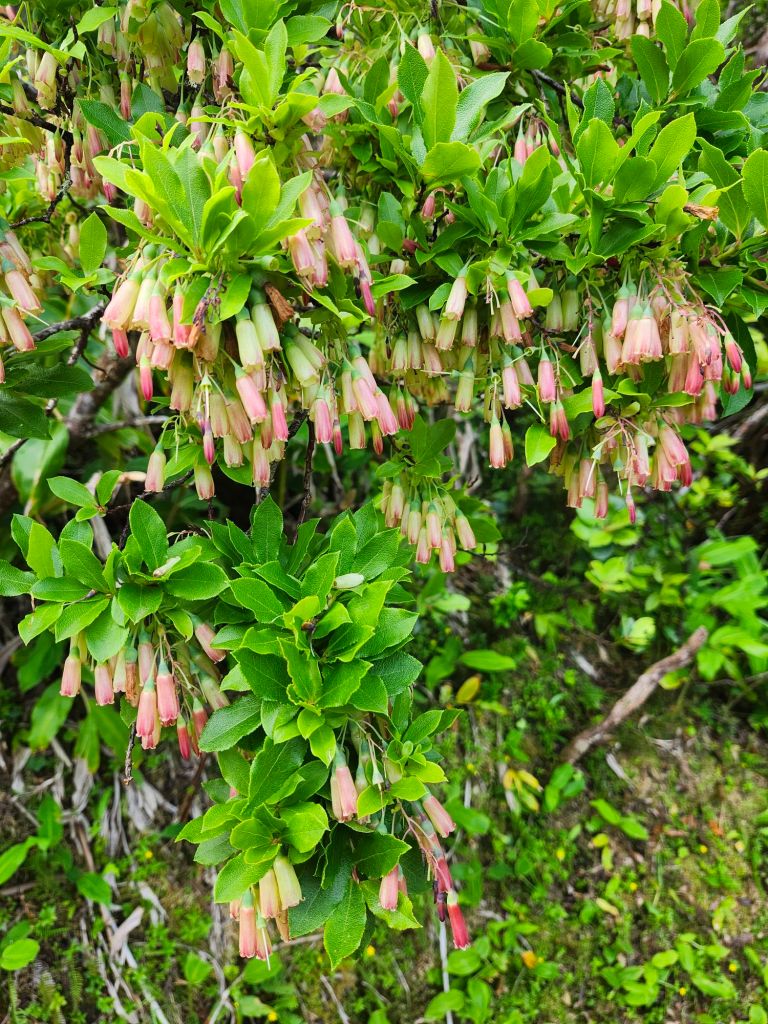
That’s a beautiful Vaccinium! I’m partial to Ericaceous plants anyway, but that one is lovely. And your photography is spectacular. Good detail!