The side garden is suddenly naked, at least it looks that way with the ground layer of decaying leaves and other debris washed away by torrents of rainwater in a series of July storms. The leaves will be replaced with a new batch in autumn, but without the debris, I notice that the wide spreading Robb’s spurge (Euphorbia robbiae) has faded almost completely.
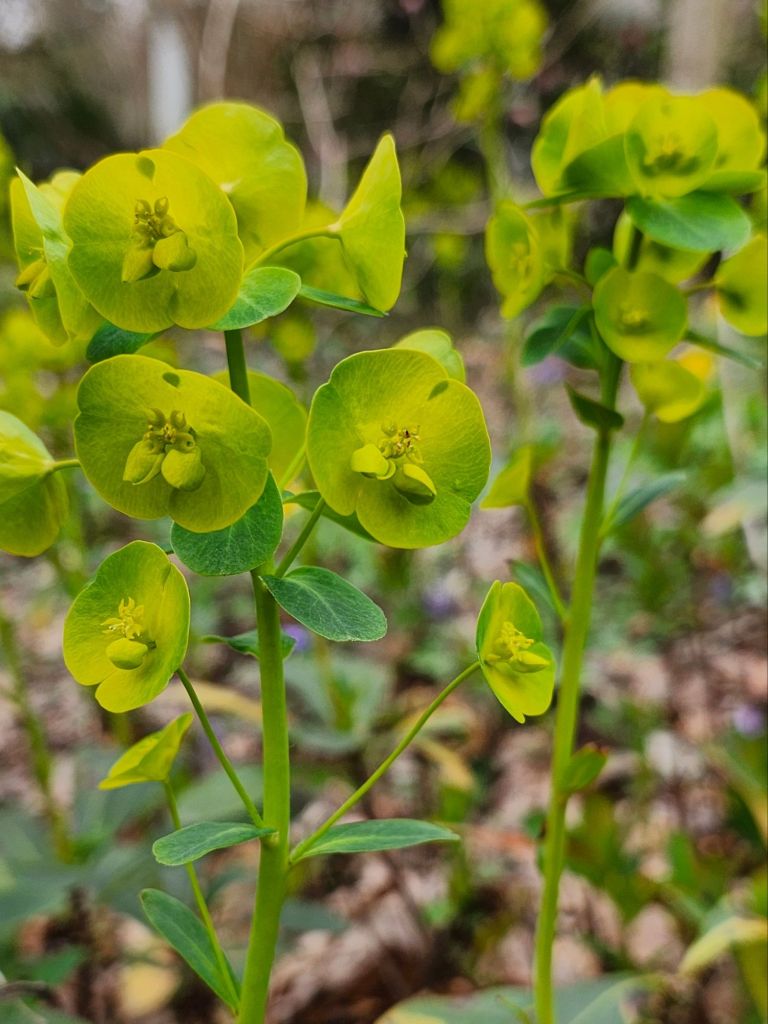
Until recently, the spurge covered most of a few hundred square feet and spread slightly across a stone path. Now, the smaller area is all that remains, with a scattered plant or two standing beneath the tall camellias. I suspect that the side garden was becoming too shaded, but also that the month-long dampness killed the remainder. A dense planting now looks bare, so something must be planted in a hurry.
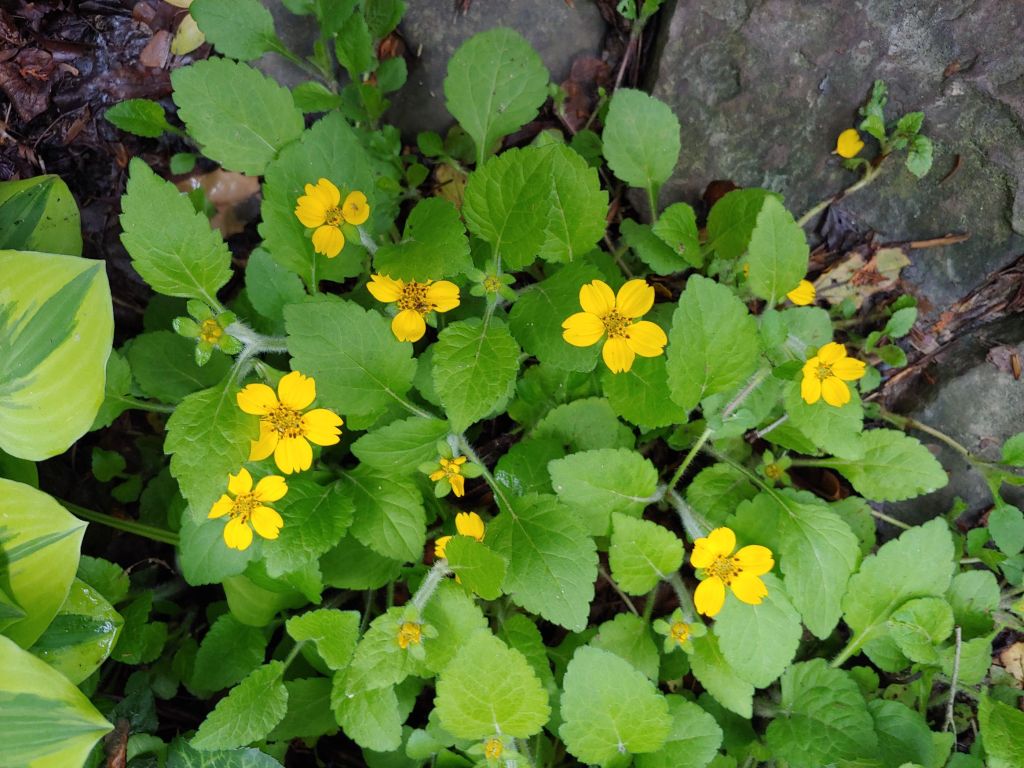
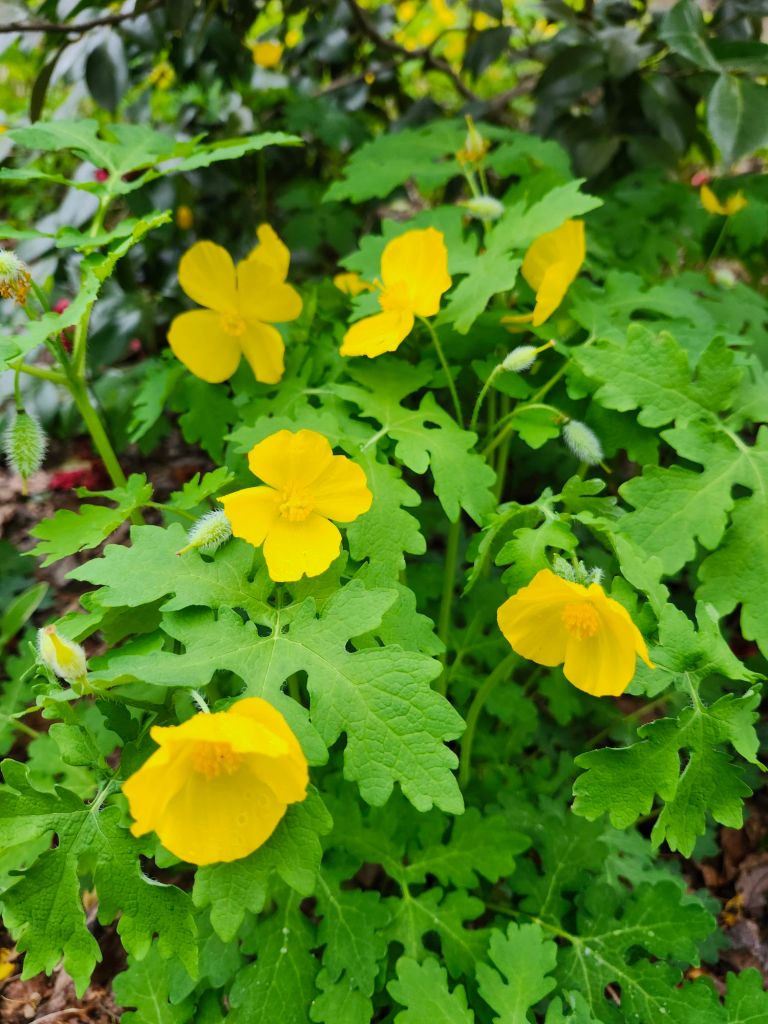
While many folks disparage Robb’s spurge as too aggressive, I considered it attractive and also useful in covering dry soil beneath maples, tulip poplars, and a black gum. Green and Gold (Chrysogonum virginianum, above) and wood poppies (Stylophorum diphyllum, below) thrive in nearby shade, but they don’t creep further into the deeper shade once inhabited by the spurge. With the soil bare, I’ll transplant some Green and Gold to give it another try, but I’ll probably plant a few hostas and ferns to fill in while I figure what else to plant.
A few purchases might be required to plant the bare spots, but there are always hefty clumps of ferns and perennials to divide. I don’t hesitate to dig and divide, even in midsummer. Certainly, this is not the best time, but I rarely see a problem. And, I’m much happier seeing the blank spaces filled.
 Ramblin' through Dave's Garden