I presume that thieves breaking into the greenhouse to raid the koi food container are raccoons, a beast capable of outsmarting lesser humans (apparently including me). After multiple efforts, I’ve blockaded the door and window to discourage them, though the reason they’ve moved on could be that the food supply is dwindling.
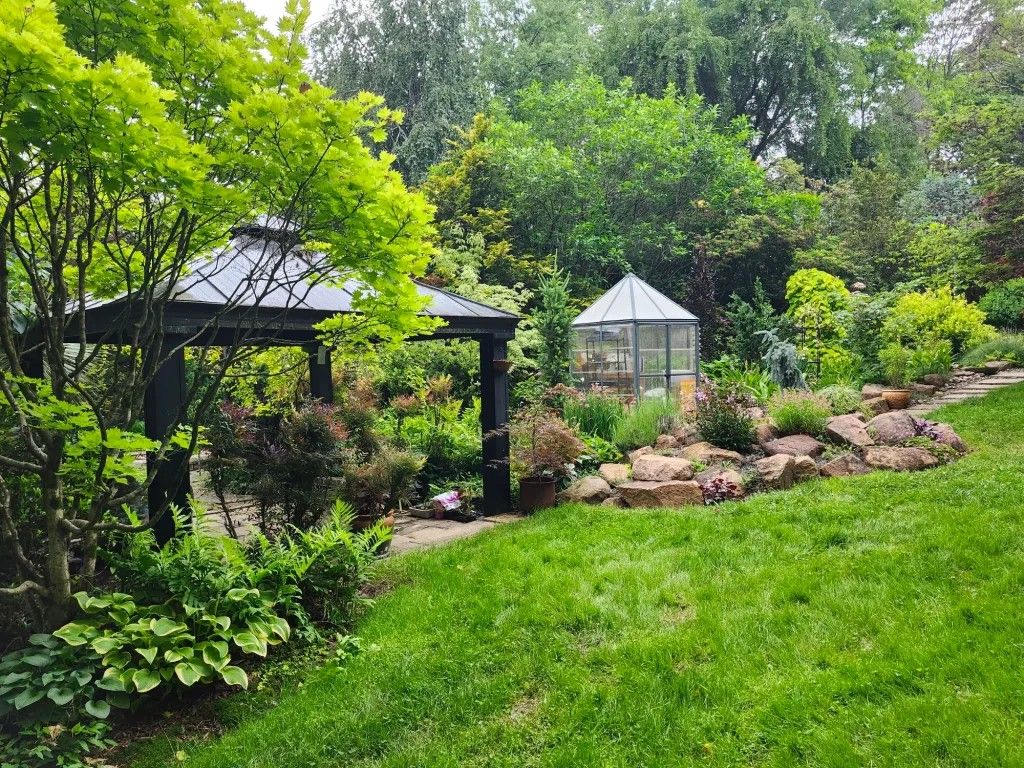
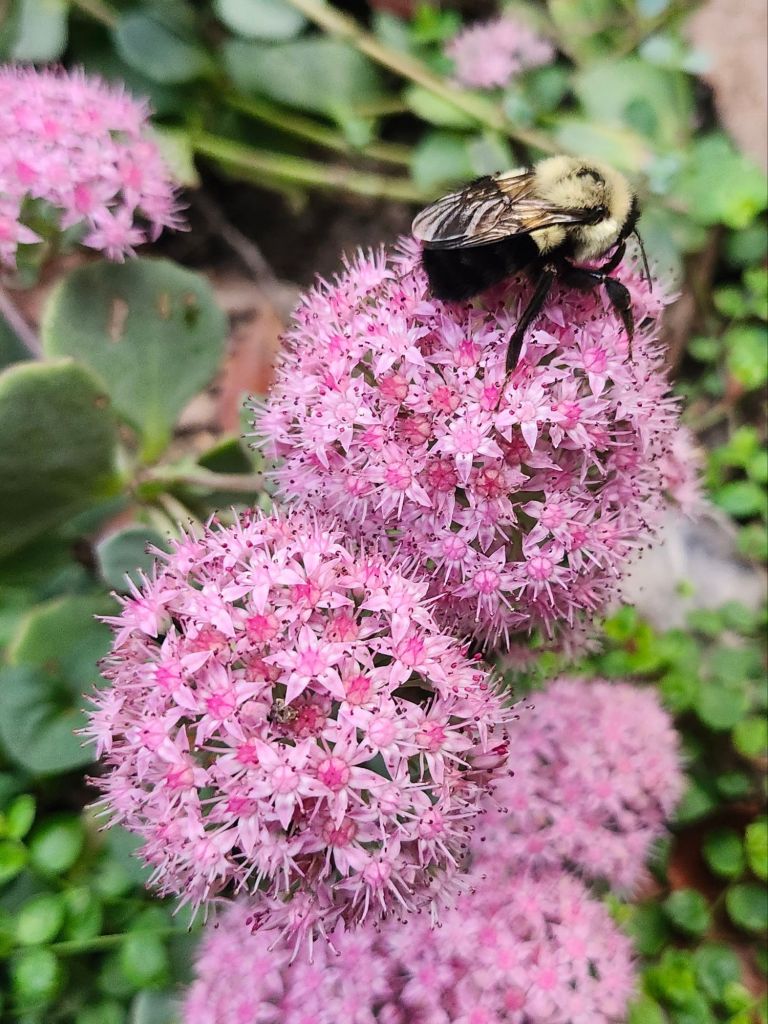
While I monitor the feeding of pollinators through the seasons, this is a garden for wildlife rather than insects only. Pollinators might be satisfied with a succession of flowers, but I’ve strived to add ponds, trees, and shrubs to provide water, shelter, and food to please a range of wildlife. There are abundant native and non-native plants in the garden, and all are lightly managed with dense vegetation. Of course, this also satisfies my personal taste.
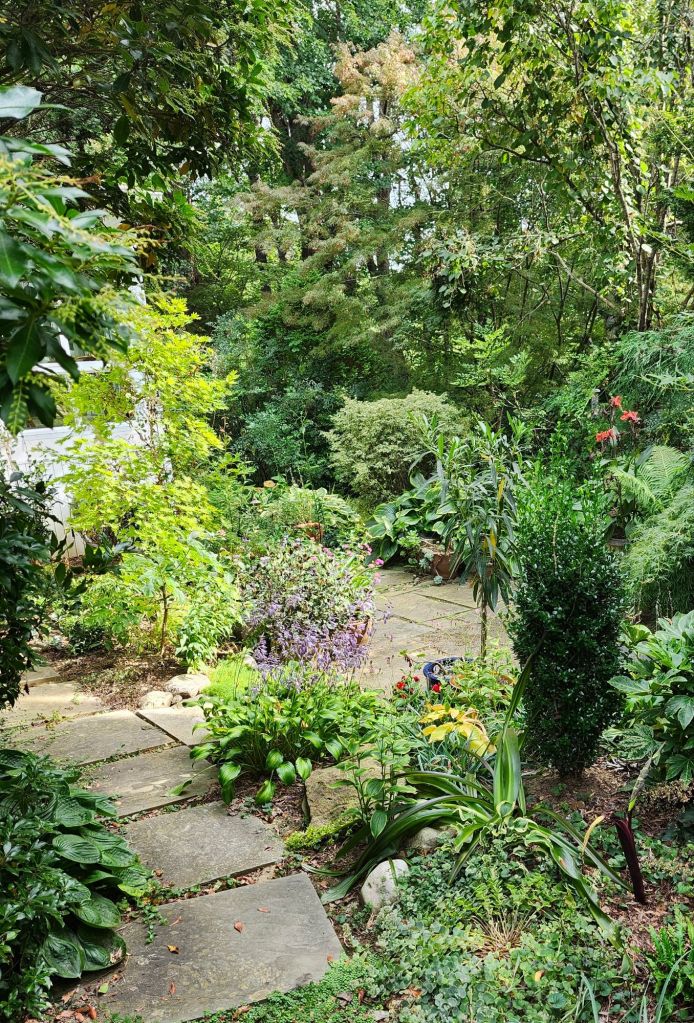
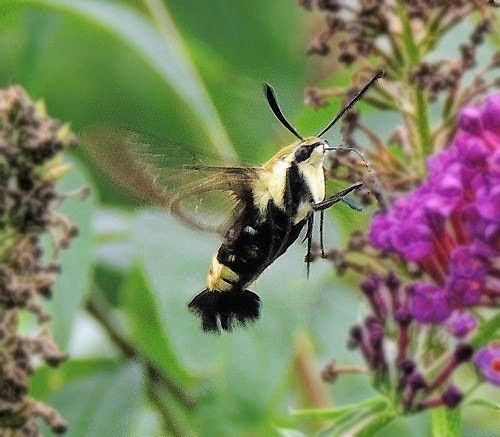
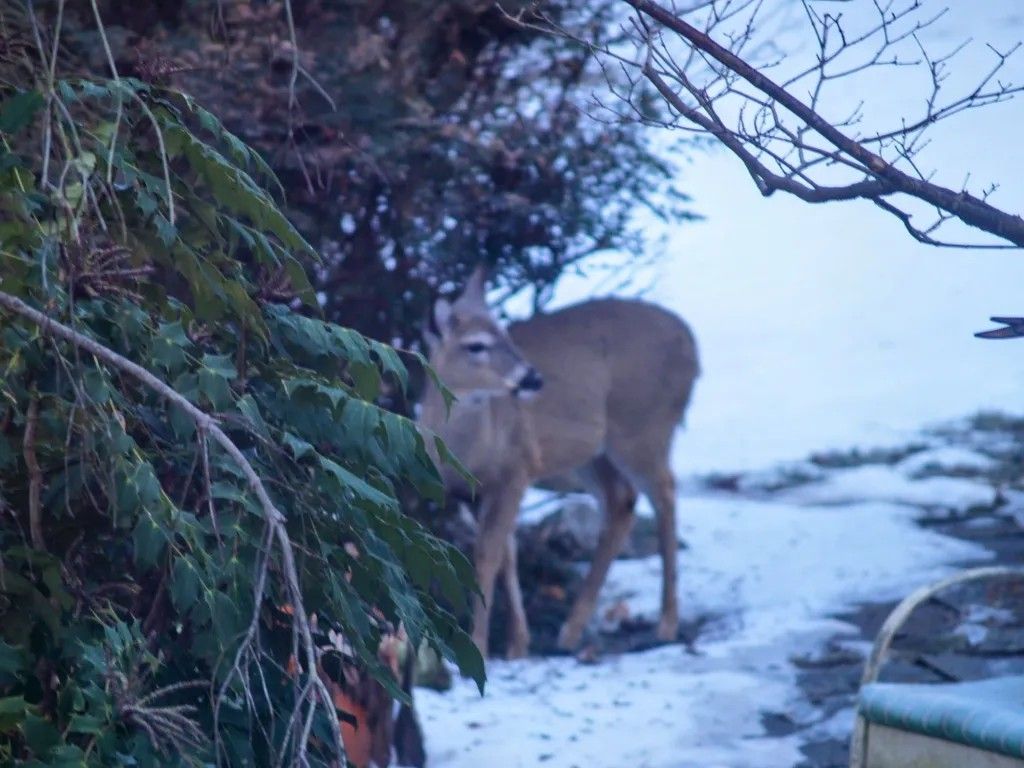
The downsides of inviting wildlife into the garden are occasionally evident, and without night cameras there’s little evidence to identify visitors. While damage by the deer population is limited by irregularly spraying a repellent, no actions have been taken to explain the decline in rabbit sightings. In recent years, their numbers were increasing, but today the cute but pesky rabbits are rarely seen.
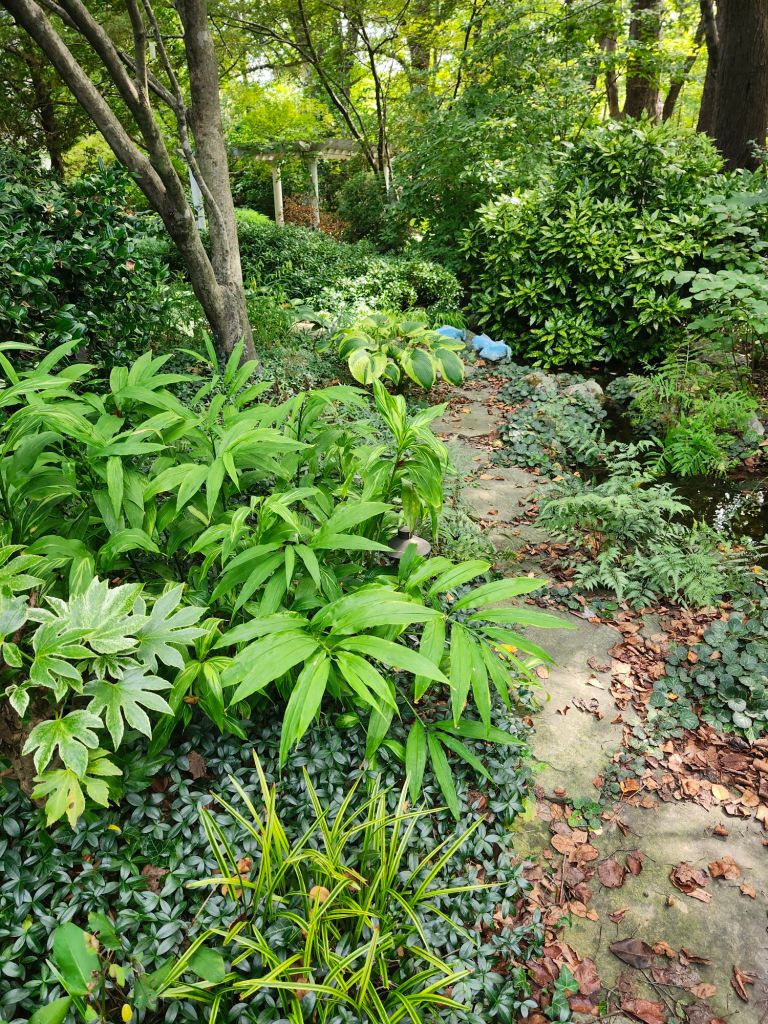
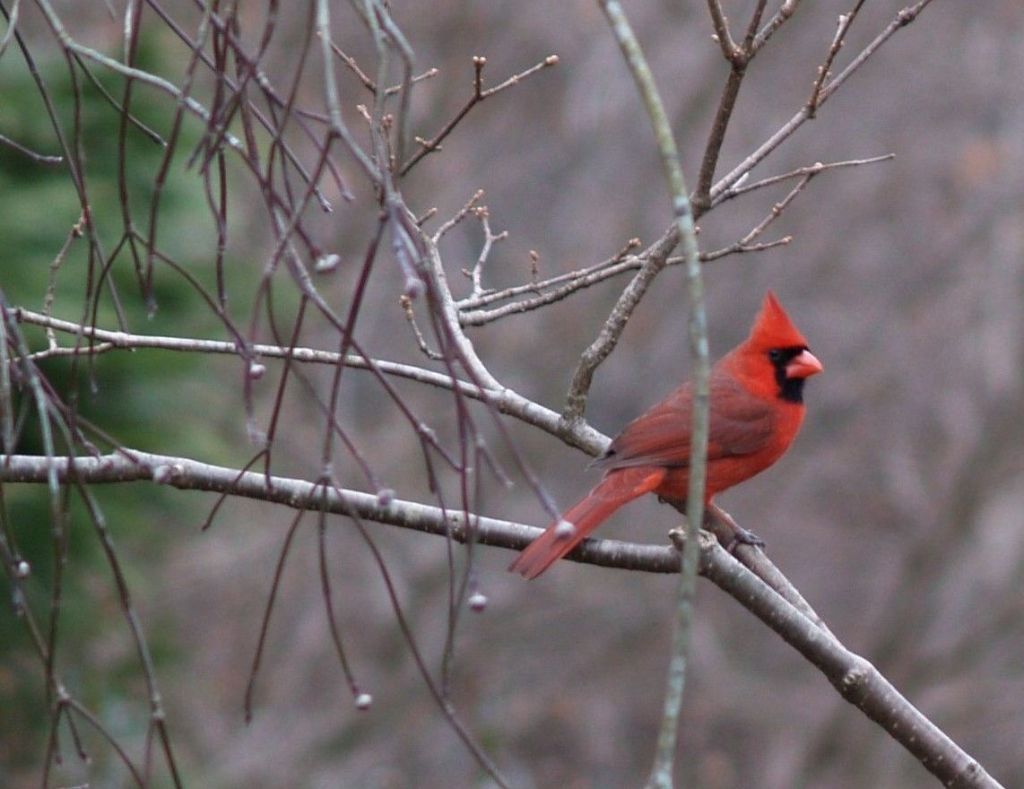
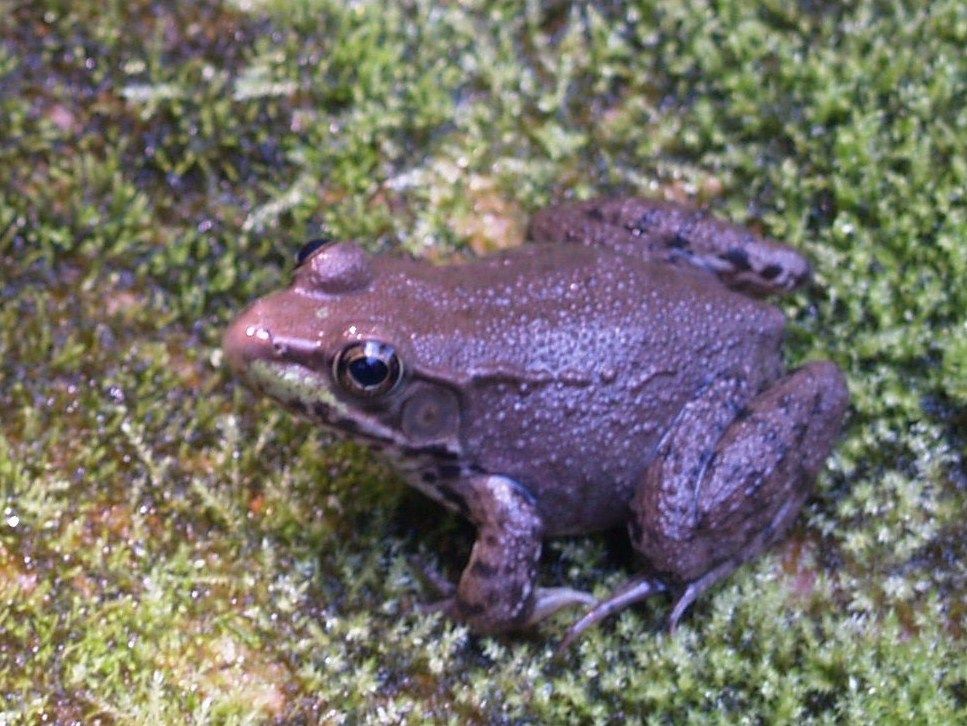
Birds are fed in the winter months only, so it’s difficult to inventory their numbers and varieties through the year. But, mornings in the garden are alive with birdsong. Evenings, the chatter includes a variety of frogs and toads, and often I must stroll the stone paths carefully to avoid tiny frogs as they leap to safety.
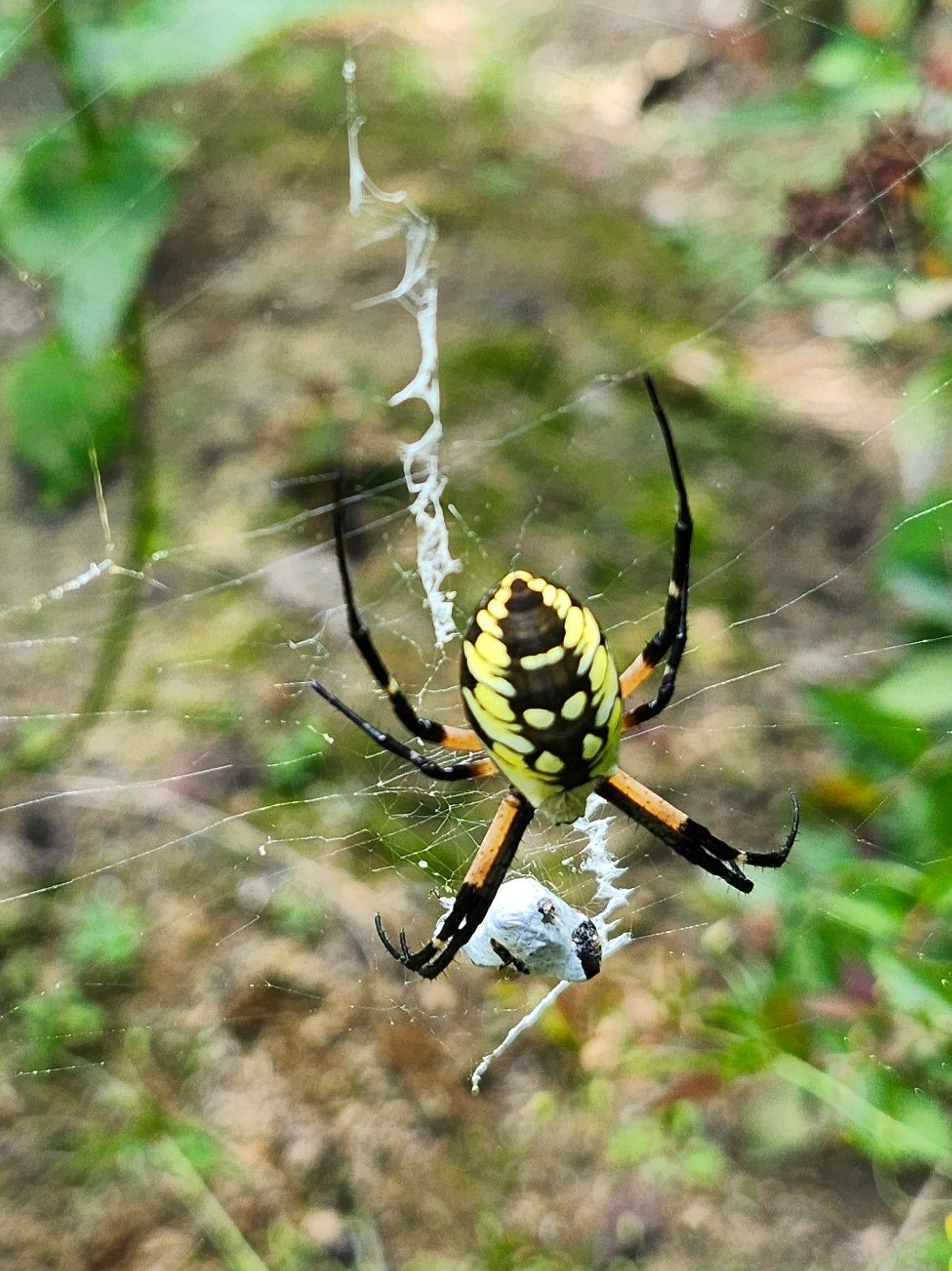
Today, I can’t stroll any path without being ensnared by spider webs. And there are more off the paths. I hate to destroy their hard work, but I’m going to walk the garden. Of course, spider webs are only a minor nuisance unless you’re one of the flying creatures that is trapped and eaten.
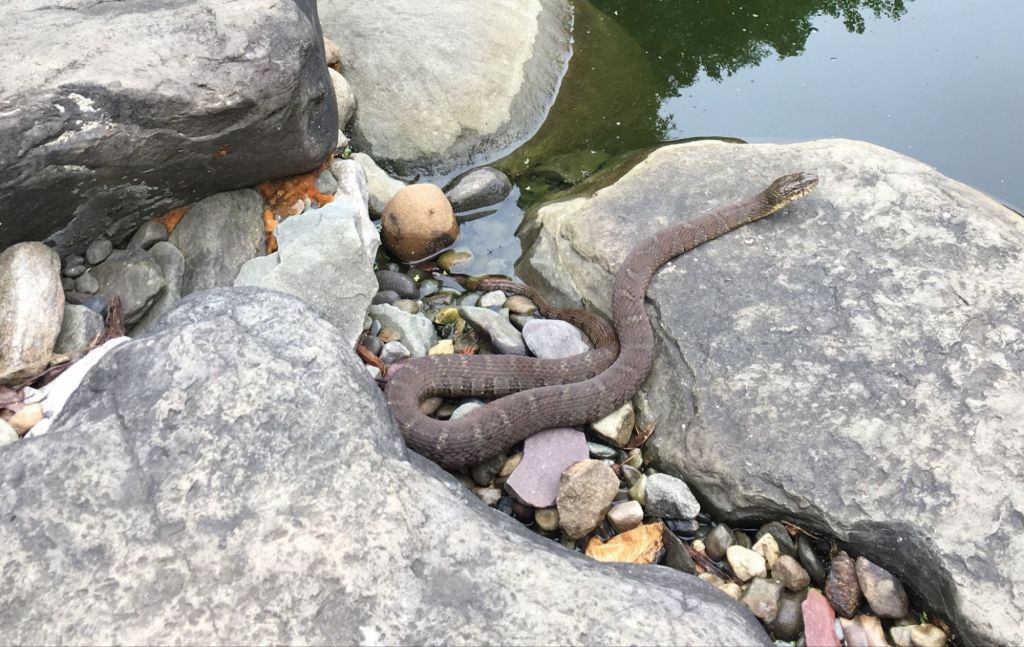
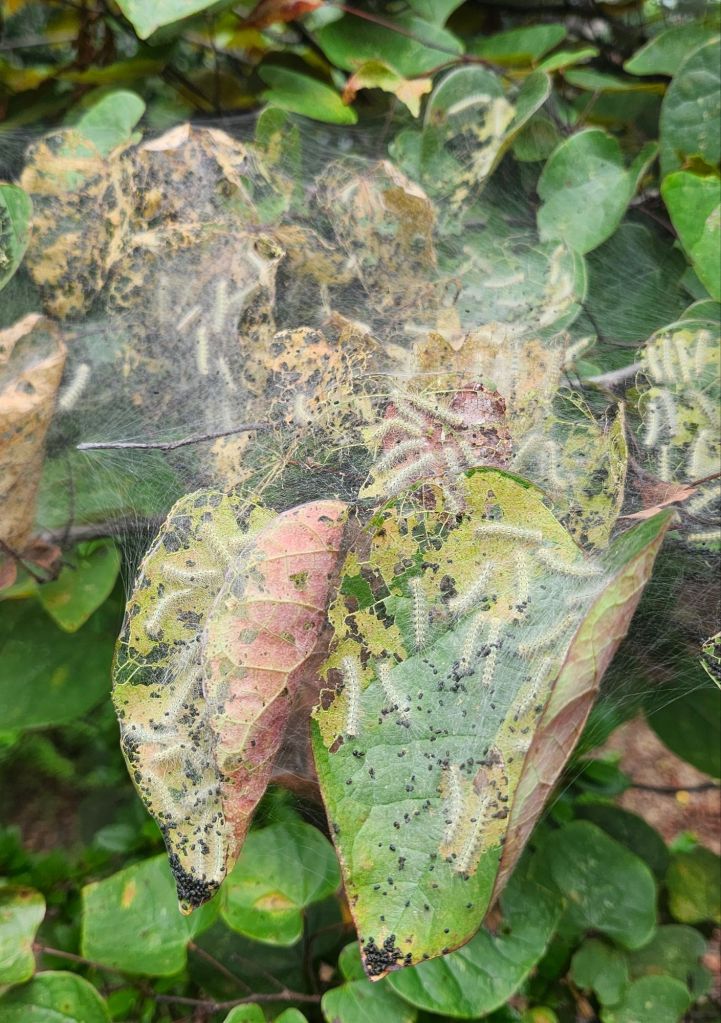
There is little doubt that the range of wildlife is promoted by the garden’s varied elements, but also because no insecticides are sprayed. Aphids and tent caterpillars are occasionally seen, but natural predators keep these in check. A few redbud leaves are chewed and milkweeds decline quickly after an infestation, but these are minor issues, more a curiosity rather than a problem.
 Ramblin' through Dave's Garden