I mention this as a consequence of recent hikes in nearby forests on chilly days with little green in evidence besides scattered American hollies (Ilex opaca) and Virginia junipers (Eastern redcedar, Juniperus virginiana). The forest floor is blanketed with assorted fallen leaves, mostly maples, oaks, beech, and tulip poplar, but occasionally by scattered bits of green standing just above the carpet.
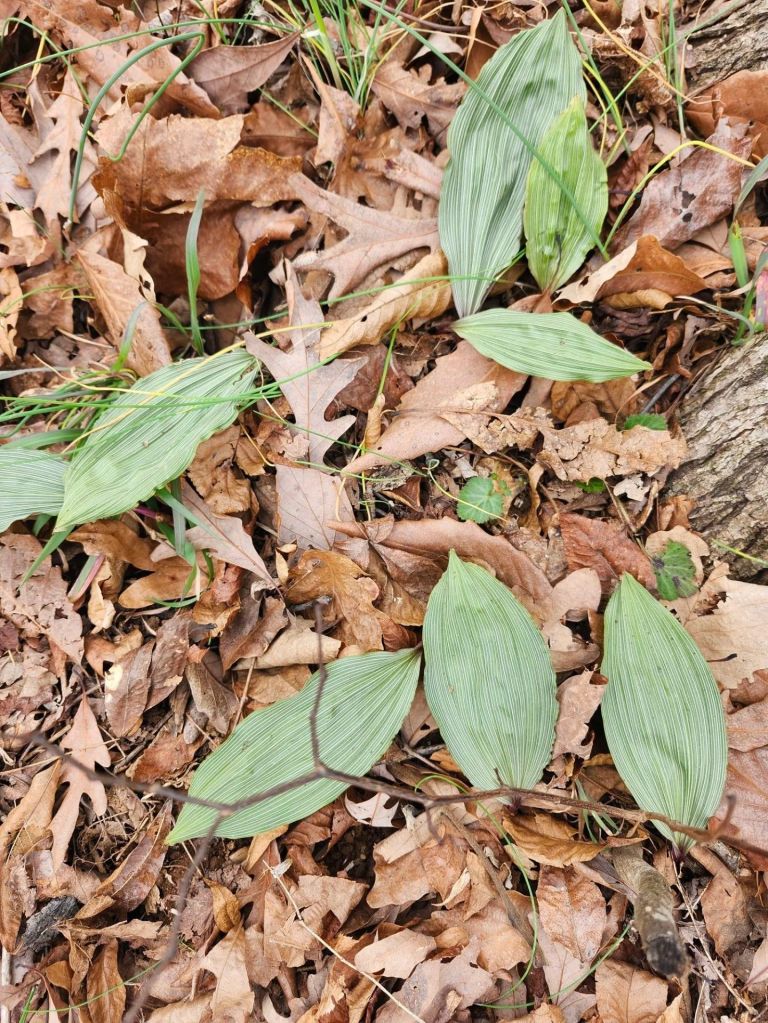
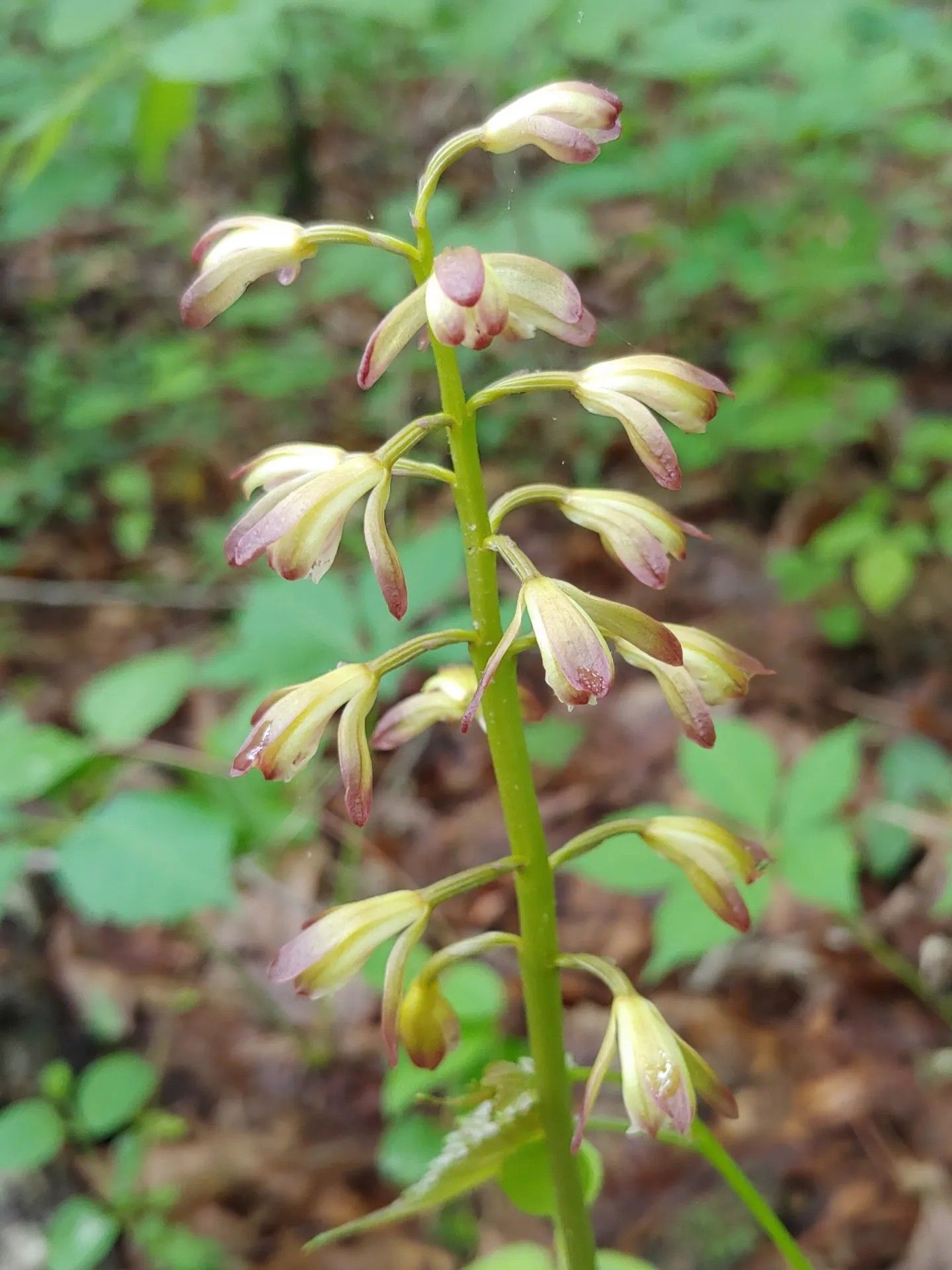
I think my wife is extraordinarily skilled at spotting native orchids along several local trails that we hike. In fact, perhaps this is a common skill of ones who are trained in this identification, and while I claim credit for the initial training, with my colorblindness I am rarely able to see the Putty Root orchid (Aplectrum hyemale, above, flower below) amidst the varied colors of leaf litter.
Once they’re pointed out, I readily see the silver-striped leaves of Putty Root and green Cranefly (Tipularia discolor) orchids. In the garden, the Putty Roots are, for some reason and don’t ask me why, hidden off the path behind a large camellia and numerous seedling hellebores. I know where they are, and I marvel as the few that were first planted have increased to ten. Not all are at flowering age, but I’m happy that this small colony of single-leafed orchids is thriving.
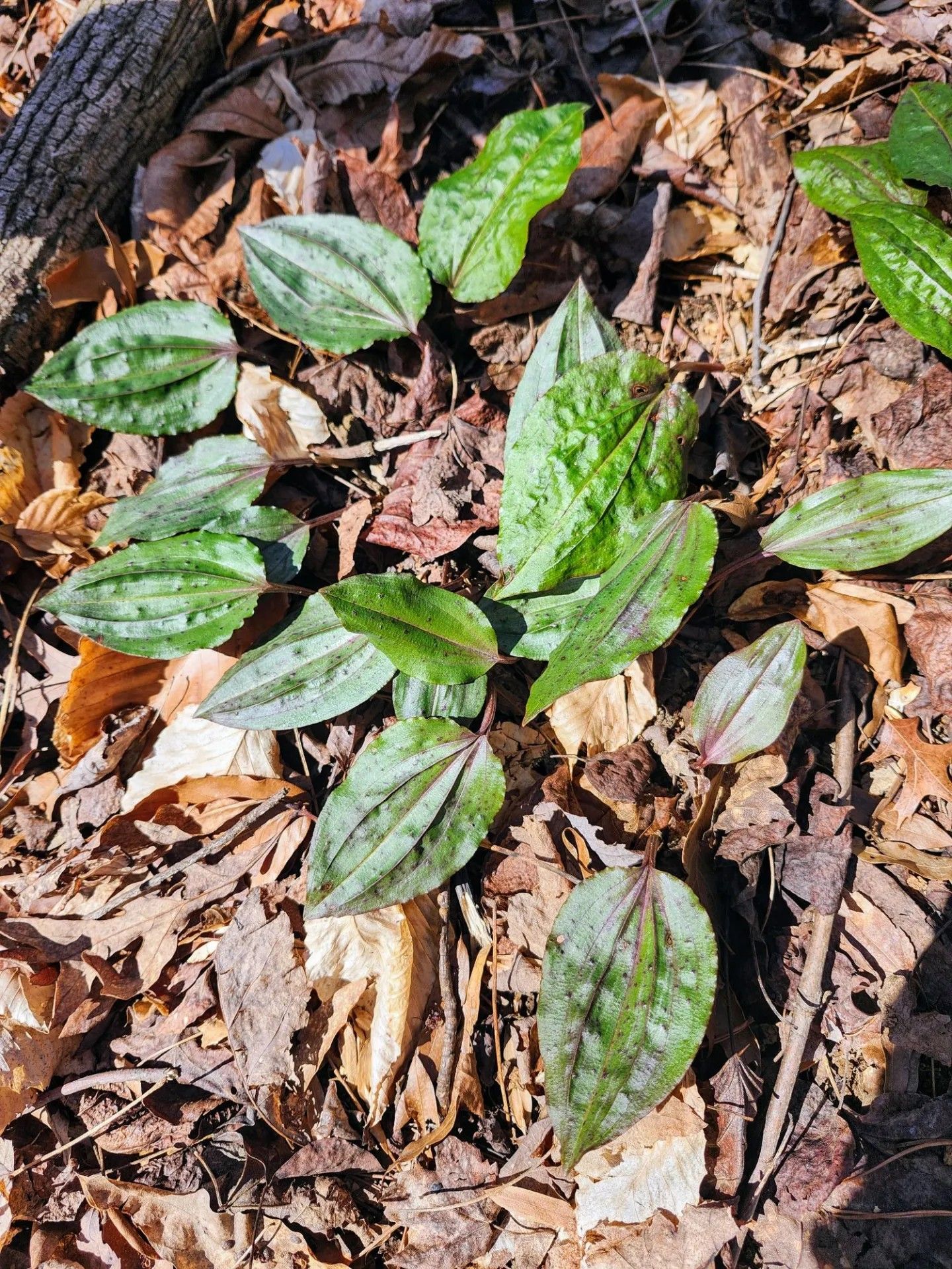
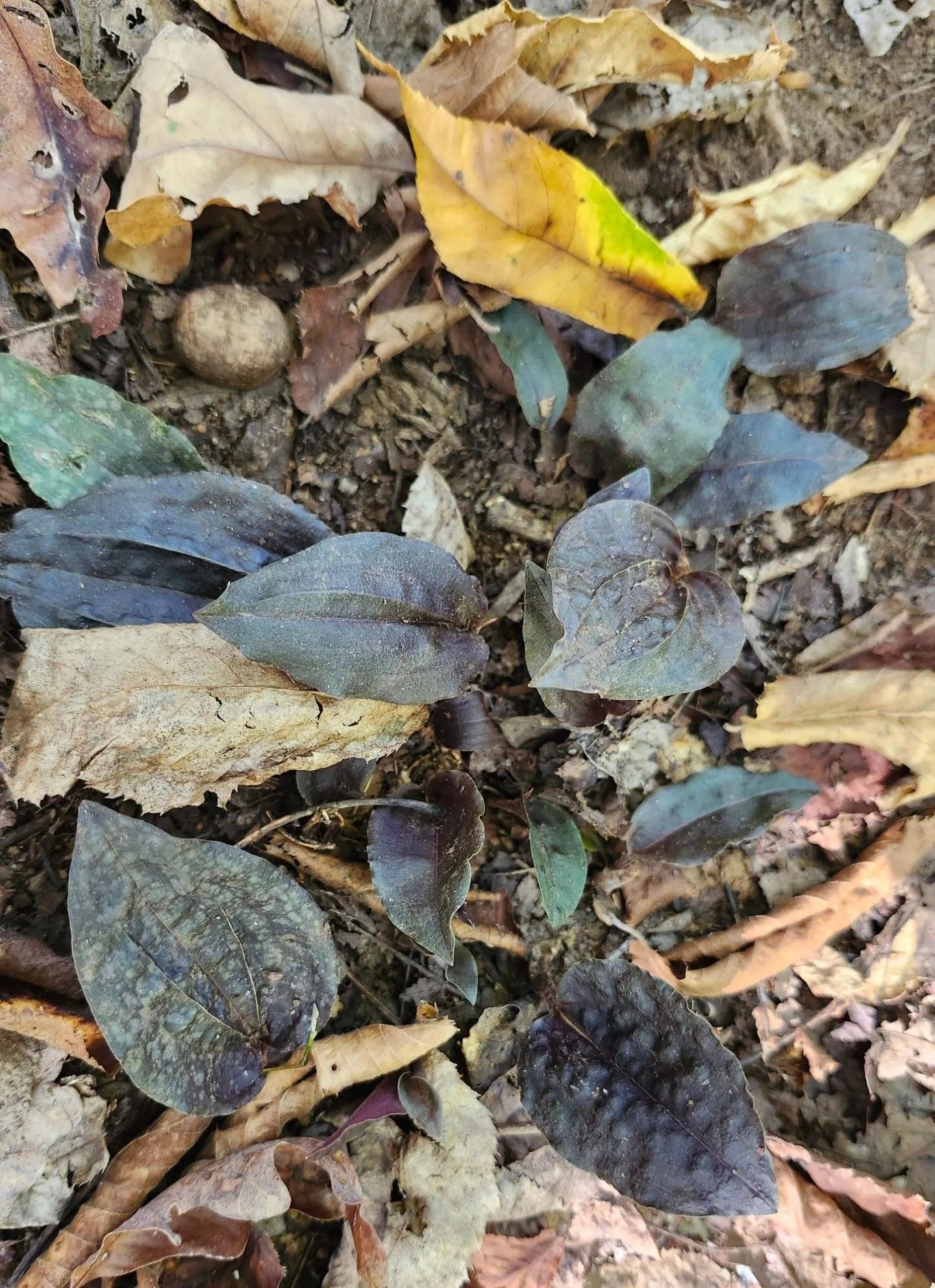
The Cranefly orchids (above) were in a slightly more visible position until a year ago when squirrels dug all shortly after new leaves appeared in early autumn. The majority of leaves of craneflies are green on top with purple undersides, but a percentage will have purple topsides (below). These are not rareties, but I’m delighted to see them in the wild and I was most pleased to have a group in the garden. I expect that I’ll plant more, hopefully in a more prominent location, but I must first figure out how to deter the squirrels.
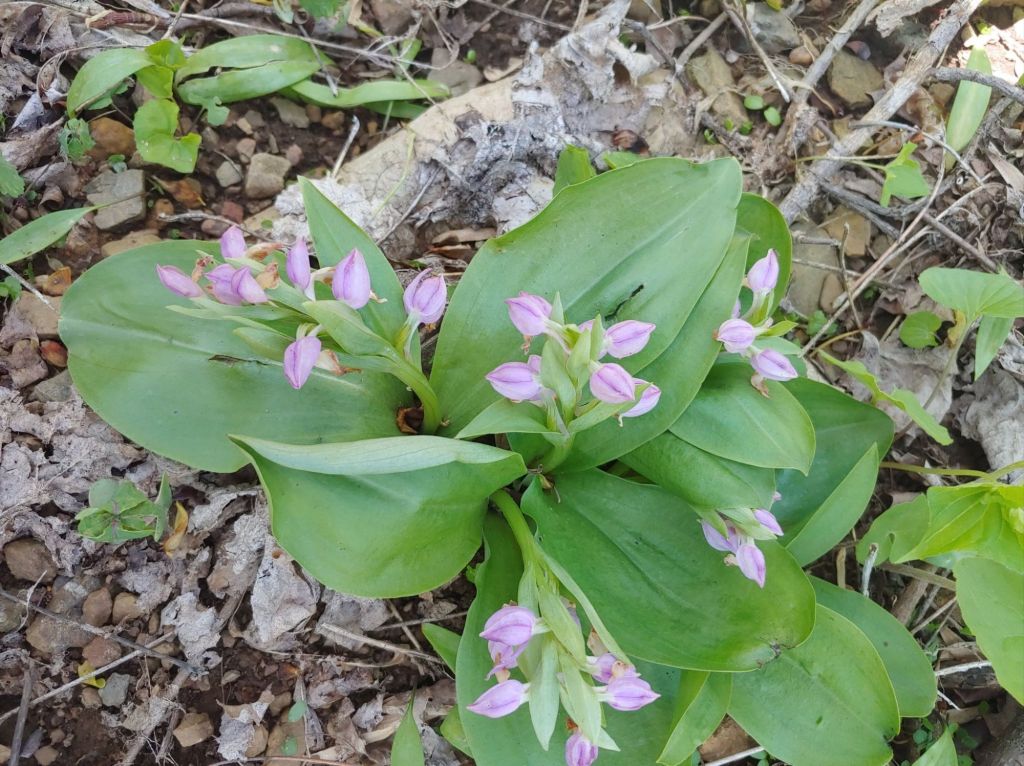
There are several other orchids native to the nearby mountains and local forests, and we’re delighted in the spring to glimpse ones we haven’t seen on previous hikes. Foliage of Ladyslippers (Cypripedium) and Showy orchids (Galearis spectabilis, below) dies to the ground, so in the winter months Barbara is on the lookout for Putty Roots and Craneflies.
 Ramblin' through Dave's Garden