In the middle of July, I resist the impulse to fill gaps in the garden that continually catch my eye. After returning from our recent hiking adventure, Barbara is anxiously planning the next. With possibilities for another hot and dry summer and several disappointments in the garden following our absence, I will cautiously wait another month before jumping into new planting.
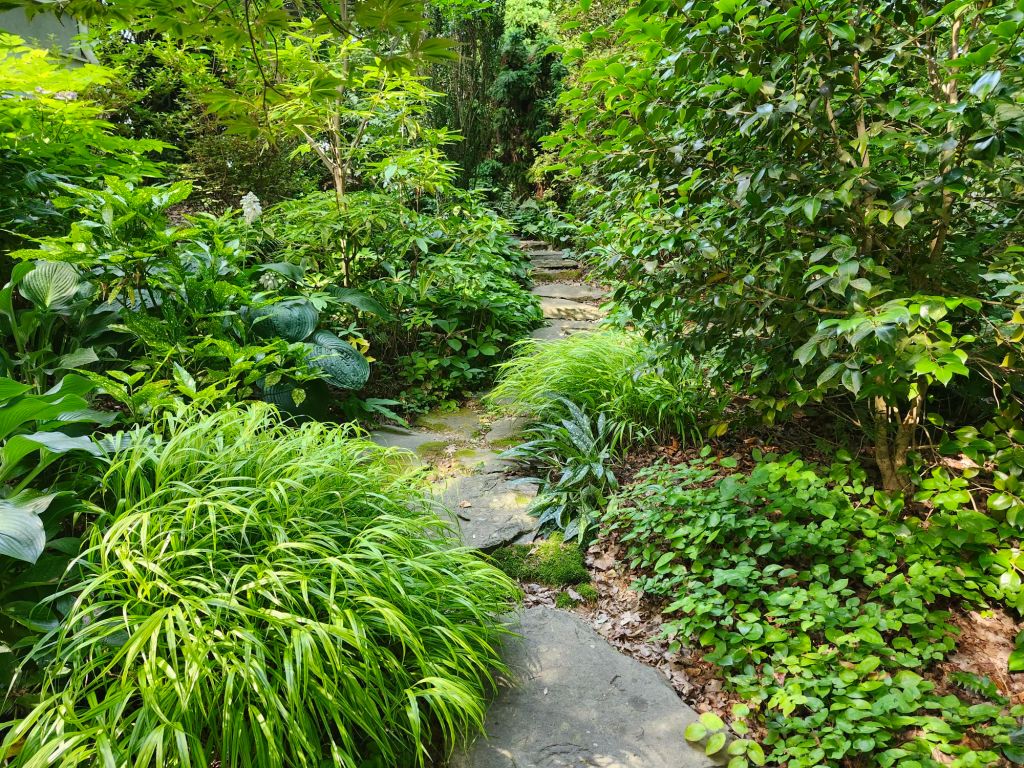
If no further travels were planned, I’d happily plant tomorrow, but dry ground and near hundred degree temperatures are a discouragement if I’m not around to watch over newcomers.
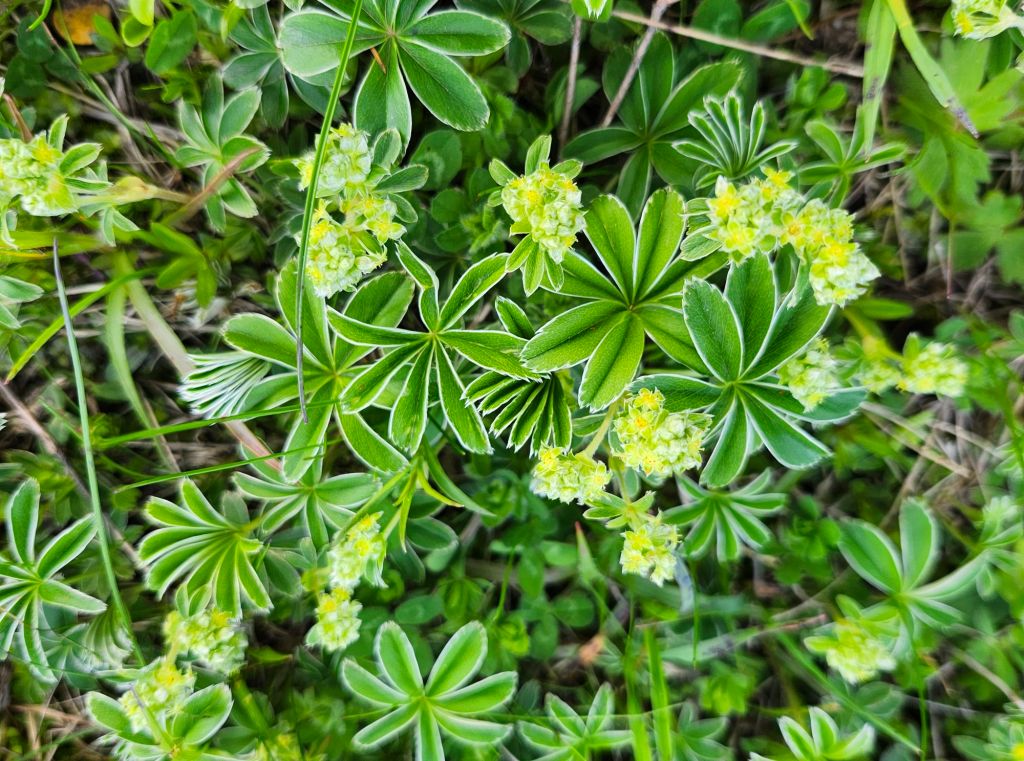
Already, plans are popping into my plant obsessed little brain. A few alpines seen in high meadows on our hikes are a must. The alpine lady’s mantle (Alchemilla alpina) was everywhere, and even without flowers, I knew I had to plant a few. Several larger varieties of lady’s mantle are well established in the garden, so I’m confident this small leafed version will survive. Other high altitude plants are questionable in our summer heat, so I’ll consider the choices before searching the garden center and other sources.
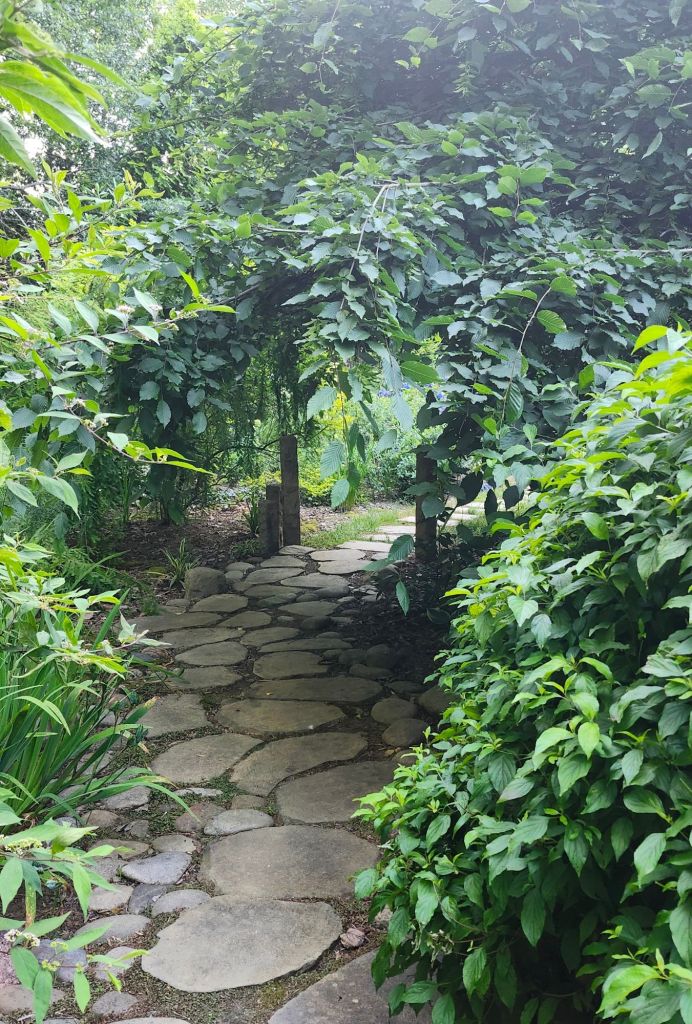
An area of deep shade beneath the canopy of the pendulous branched hornbeam (Carpinus betulus ‘Pendula’) continues to irritate me. I love the umbrella of foliage that obscures entry into the lower rear garden, but the few meager hostas will never satisfactorily fill the space. The shade is deep enough that I’m puzzled at the moment, trying to select something that will spread but isn’t too boring (though boring is better than nothing). Some day, it will hit me, hopefully soon.
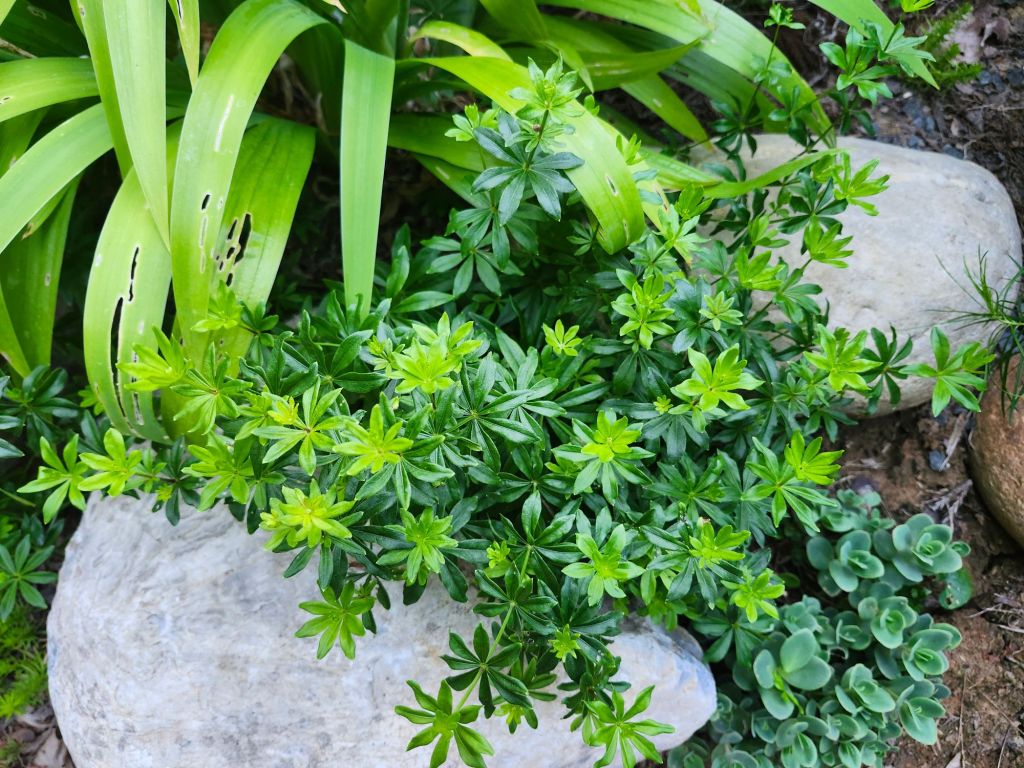
I hardly care a bit about the lawn (I’d happily be rid of it), and I can’t figure why I haven’t taken advantage to clear an area in the front garden beneath the huge purple leafed beech (Fagus sylvatica ‘Purpurea’), ‘Bloodgood’ Japanese maple (Acer palmatum ”Bloodgood’), and ‘Elizabeth’ magnolia (Magnolia ‘Elizabeth’). Competing with shallow roots and dense shade, the grass thinned down to almost bare dirt several years ago.
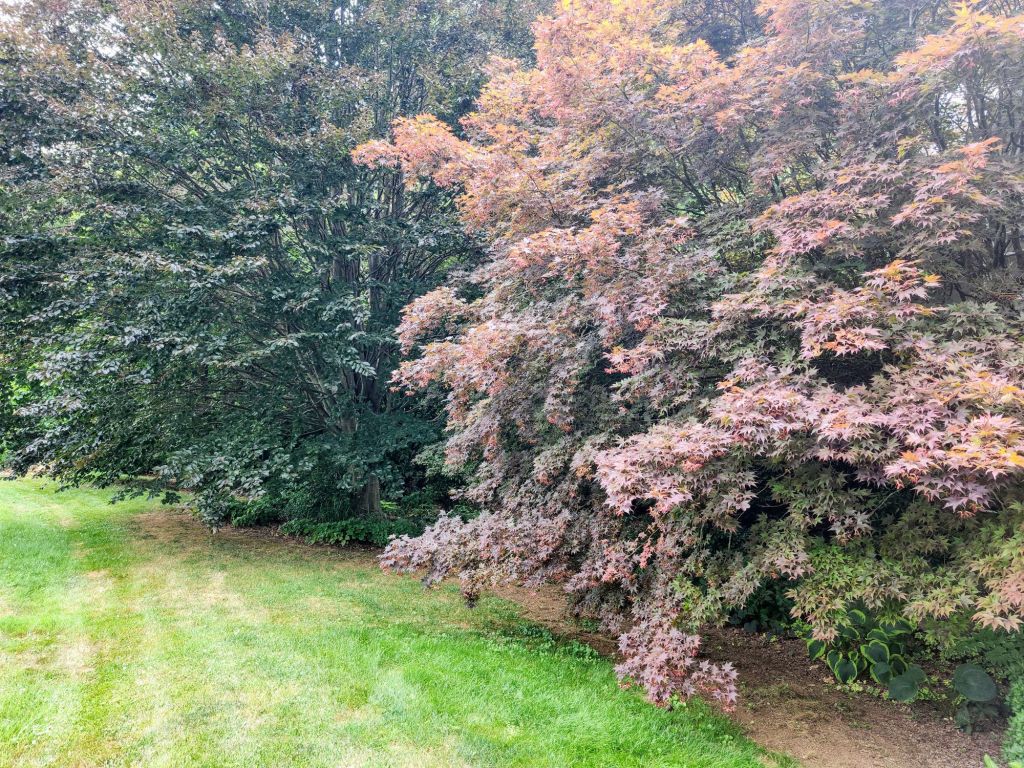
There’s no way to revive the lawn, nor do I care to try, so this will happily be turned to garden. The shallow roots make summer planting difficult without constant attention to watering, so I must be patient unless the late summer turns soggy.
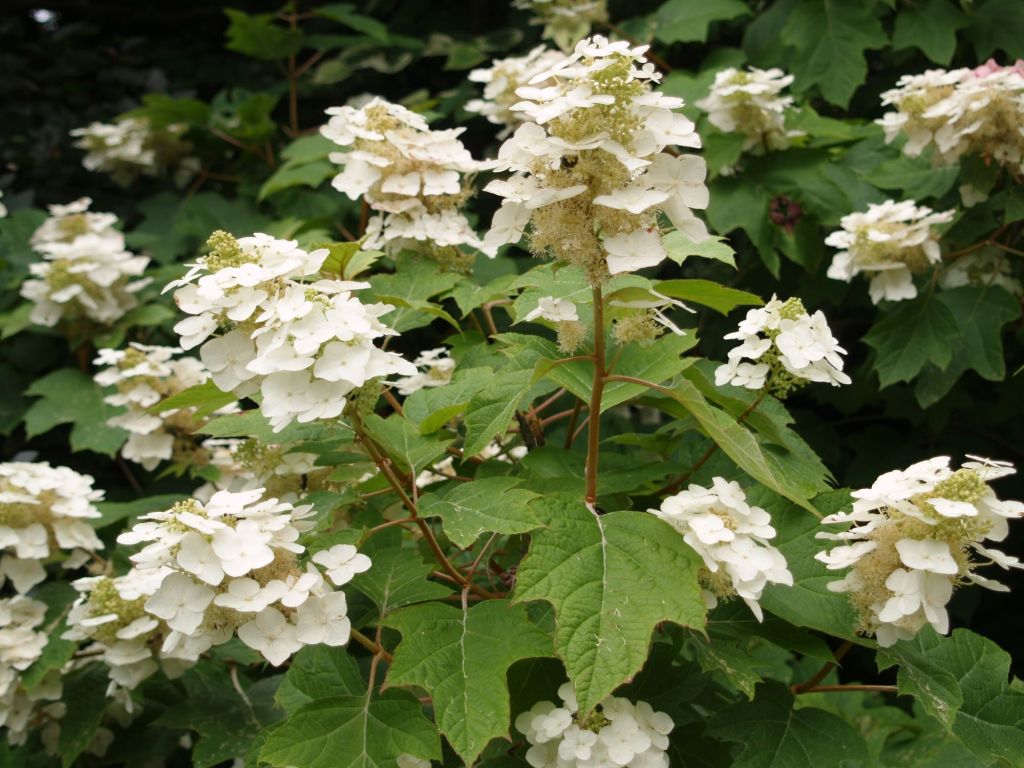
The area is large enough that I’ll have to plant a few shrubs, then mix in a combination of ferns, epimediums, hostas, and hellebores that already tolerate the dry shade on the lower side of the trees.
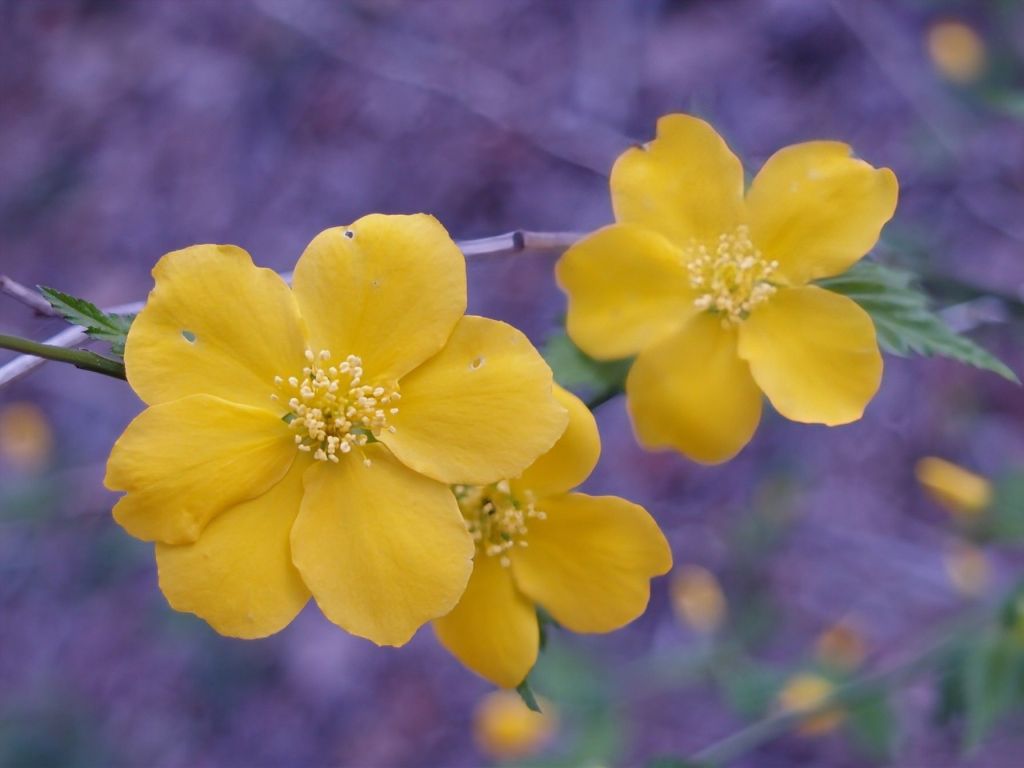
I’ve been looking for a Kerria (Kerria japonica) to brighten up other shaded spaces with its yellow blooms, and this spot will be perfect if I can find one of decent size. Deer chewed a very small, variegated variety the night it was planted a few years ago, and of course, it didn’t grow back. I have plenty of time to figure out the rest. I’m looking forward to it, but planting will wait until cooler, damper days.
 Ramblin' through Dave's Garden
How do I change my email address in WordPress?
I’m sorry, I avoid the technical side as much as possible, so I haven’t a clue.
I look forward to each & every one of Dave’s Ramblins’! So very well written & chuck full of great garden info & photos!! Keep it up for all of us in your retirement … if you can! 😁
In addition to gardening, I enjoy the writing and hope that the reader finds this journal helpful. Not a bad way to spend my retirement.