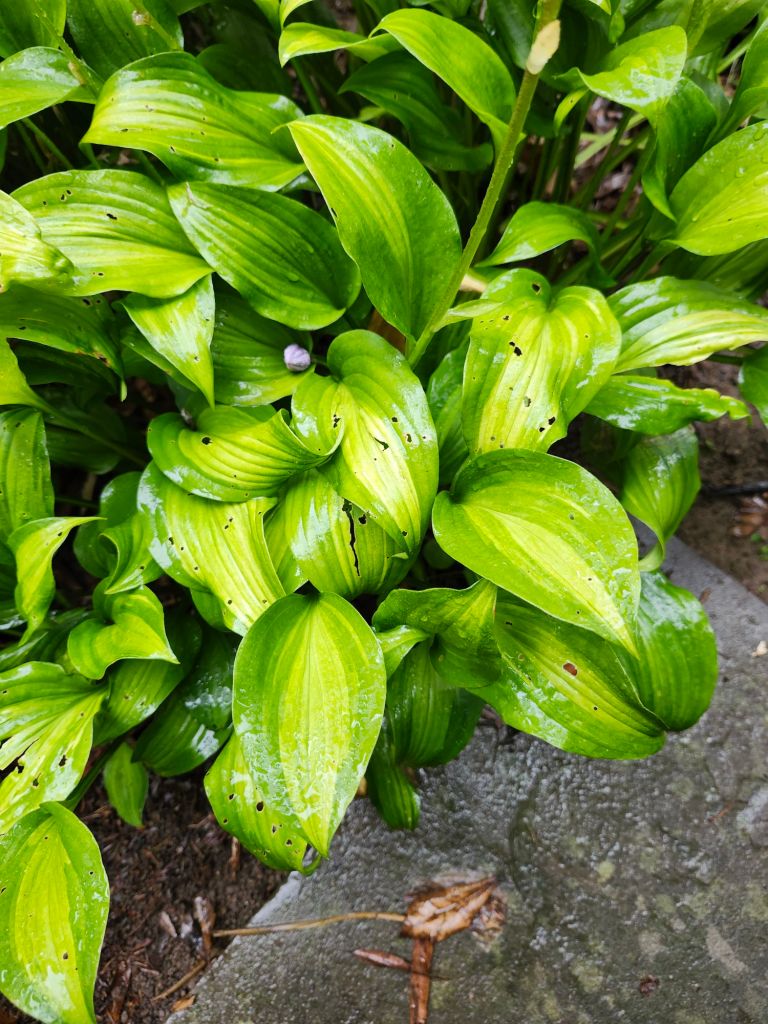
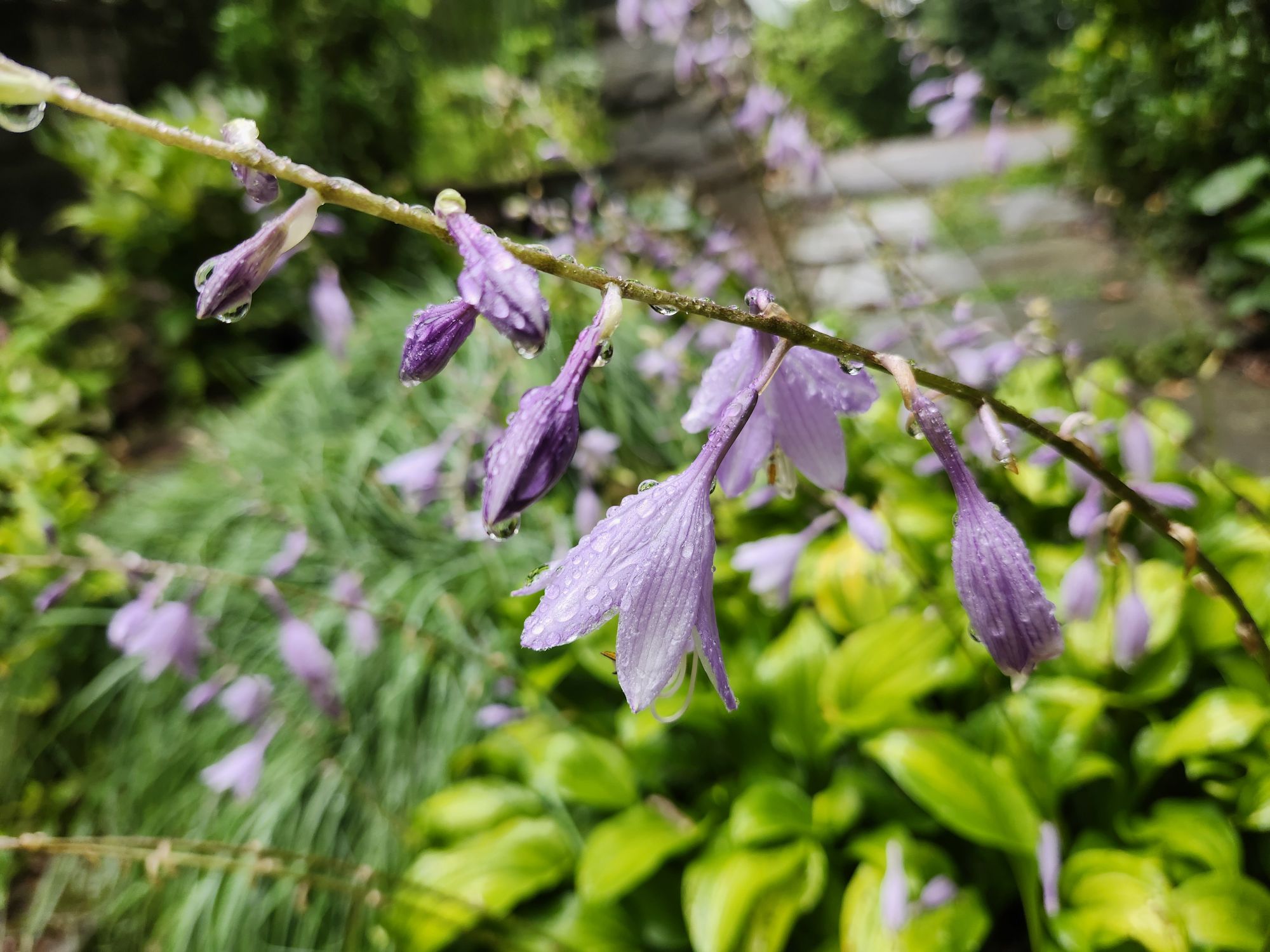
A long established hosta with subtle green and yellow variegation, one that I long ago forgot the name of along with several dozen others, is a current favorite of hummingbirds. The long, tubular flowers in early September, long after others have faded, are ideally shaped for hummers so that the tiny birds spend considerable time visiting each bloom before moving on.
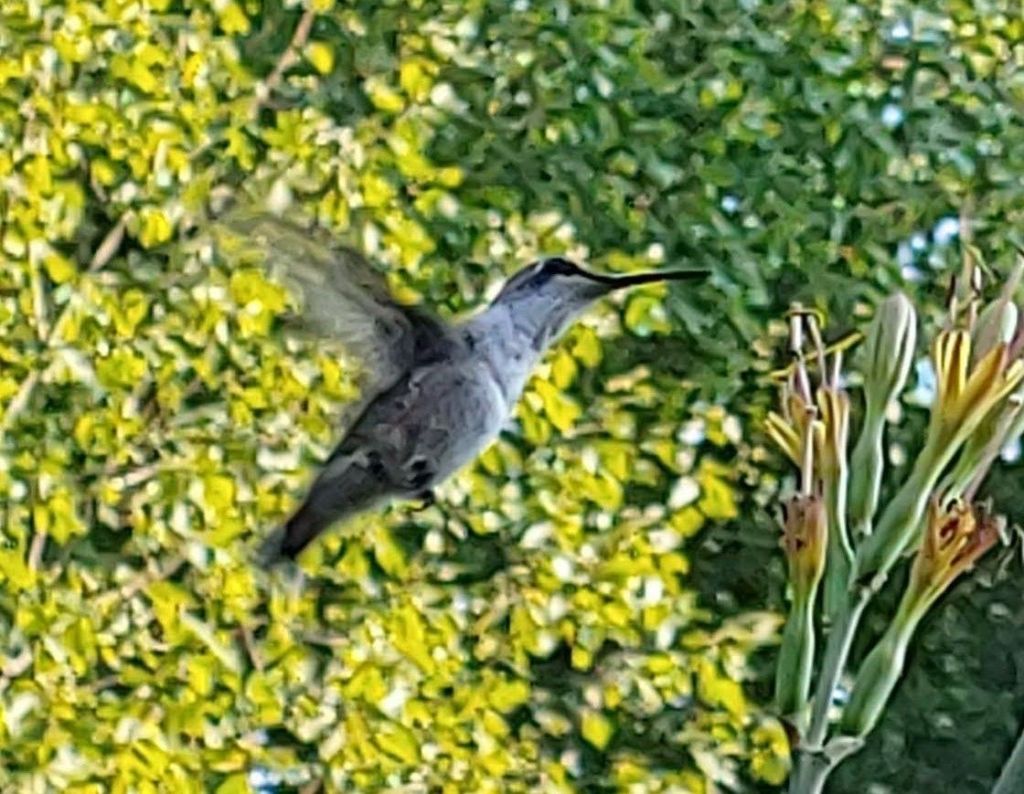
I, along with most gardeners, adore hummingbirds and wish for more. I suppose that the number and varieties of plants in this upper portion of the rear garden are adequate, so they return annually, and I am not inclined to set out feeders that would possibly attract more. I have little doubt that I would not clean and refill these as needed, so I must rely on flowers to fill their needs.
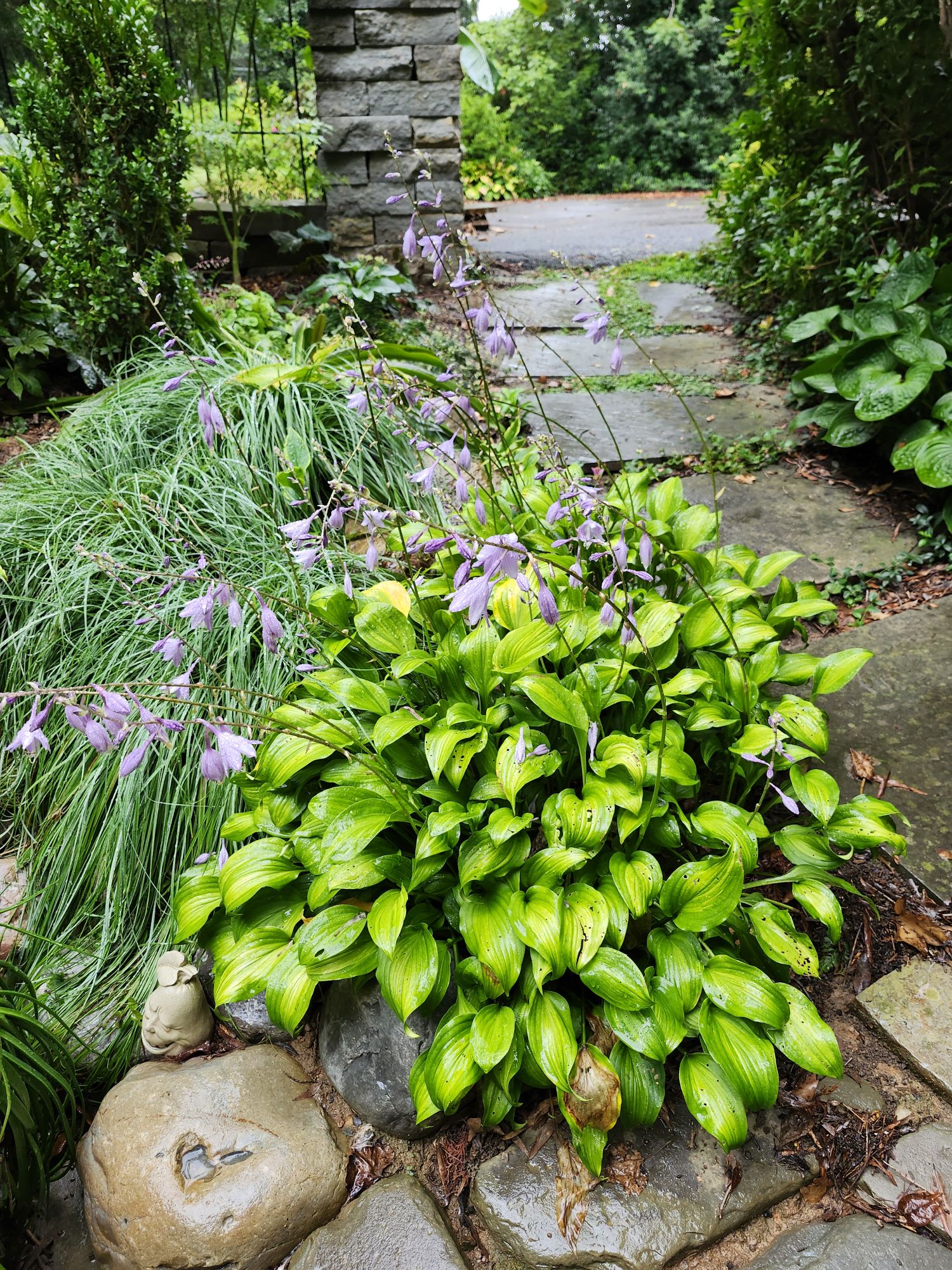
Certainly, I have added a flower or two to the garden specifically to serve hummingbirds, though mostly I’m a generalist. I plant for birds and wildlife as a whole. I’m unsure which birds feast on ripe blueberries at the rear of the garden, but the berries are long gone before becoming over ripe (I might harvest a handful or two). So, while I hope for more hummingbirds, a diverse wildlife population is most desirable.
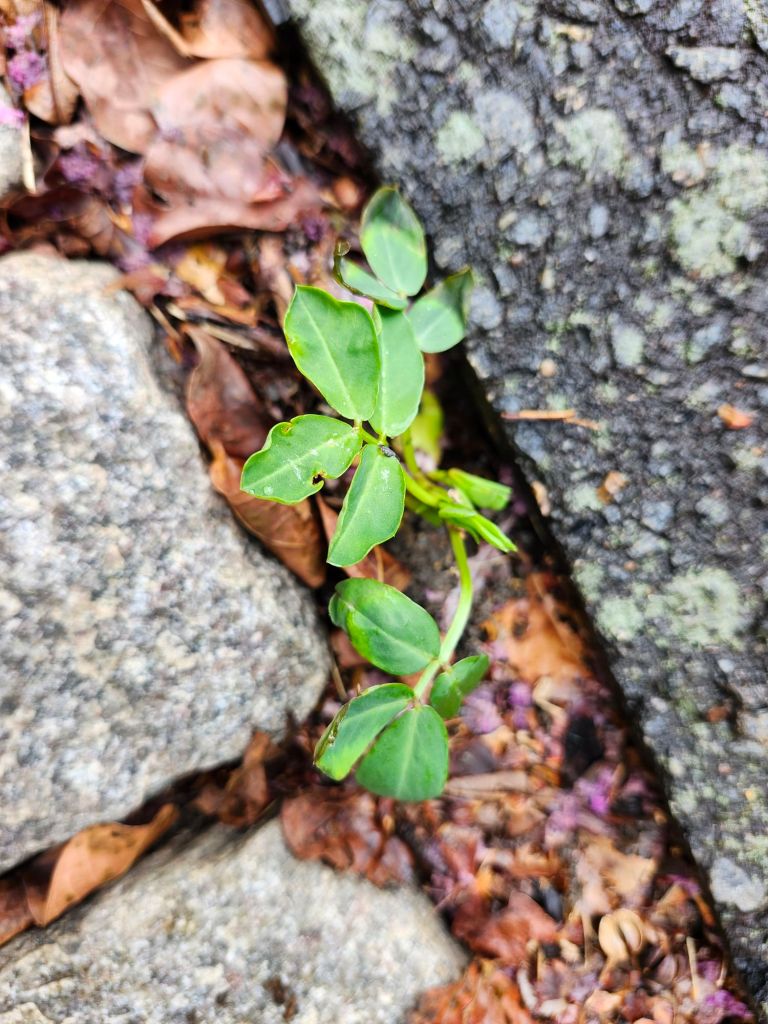
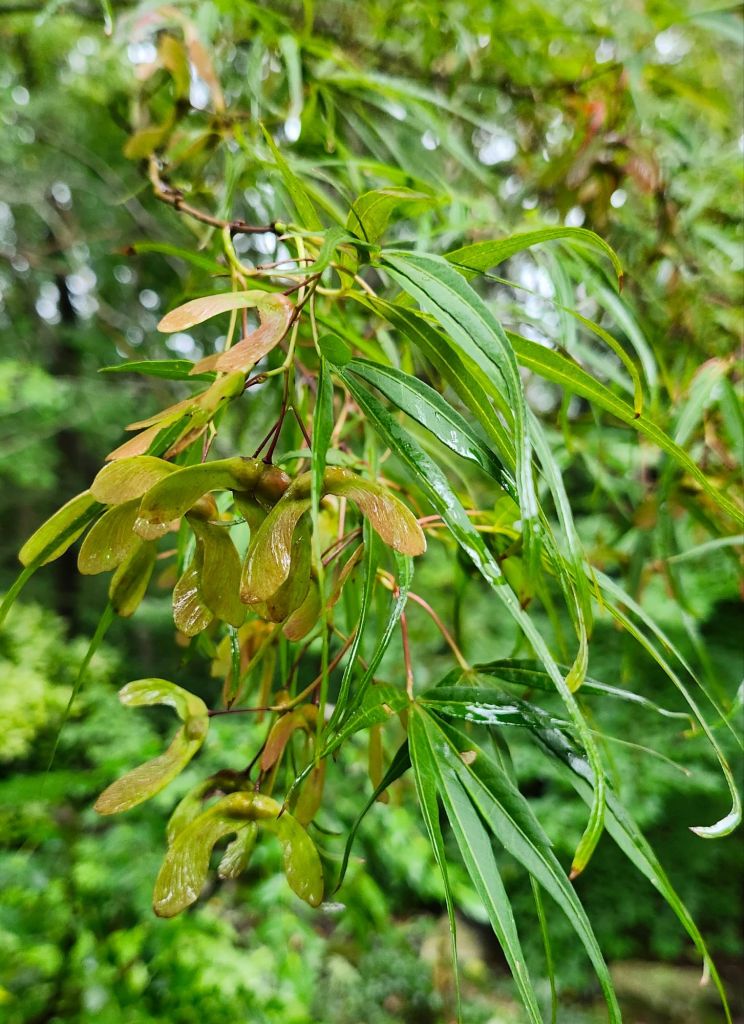
I am often entertained by antics of squirrels. While a neighbor undoubtedly supplies them with peanuts that are buried, then found growing in the garden (above), one particular squirrel entertains by hanging from branches of a Japanese maple just outside the sunroom to harvest seeds. Of course, the maple was not planted to provide seed for squirrels, but I’m happy to put the seed to some use besides germinating into many dozens of seedlings that must be weeded out.
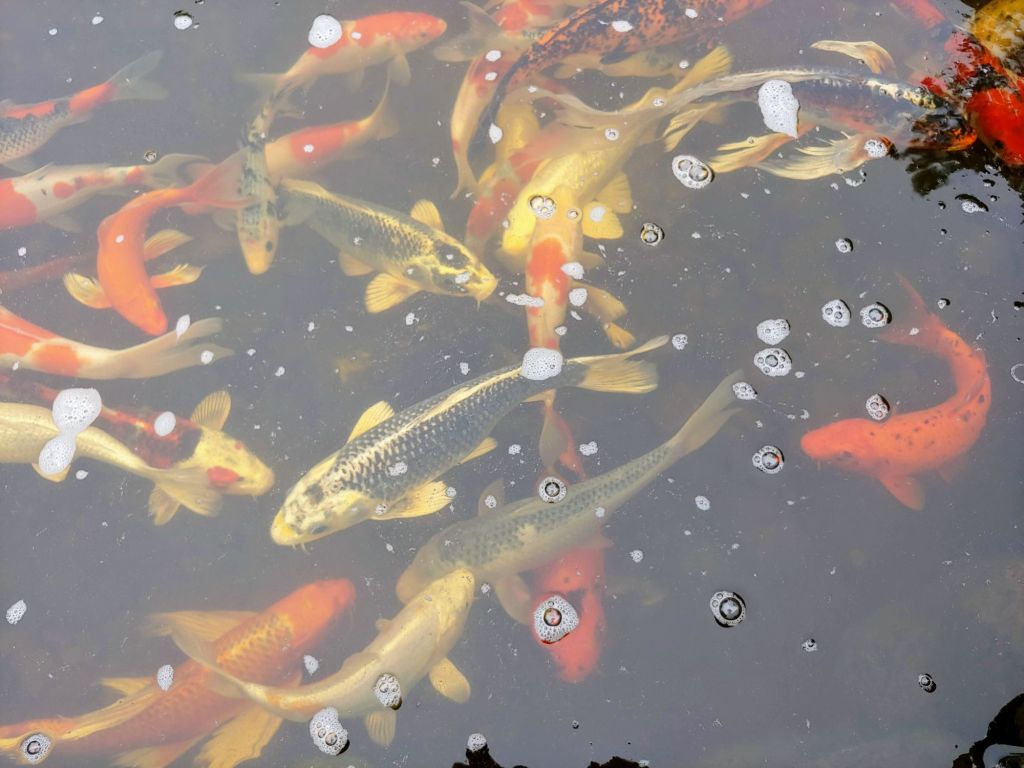
While bears are infrequent visitors, I suspect that no other wildlife has been excluded from the garden. The otter feasting in the koi pond was not welcomed, and for a short while, I wondered if the numbers of koi had been diminished. But, after laying low for a week, the dozens enthusiastically returned to feed on the pellets I tossed into the pond. I’ve no clue if the otter has returned, but the koi remain without any protection.
 Ramblin' through Dave's Garden
I have a beautiful green Japanese maple growing near the edge of my woods, a volunteer that germinated 30-40 years ago. I saw no seedlings from this tree until around 5 years ago, and now I see 3-4 each year. It’s been very stingy with its progeny.
I don’t get any Japanese maple seedlings in the forest where there is root competition, so possibly this is the reason. In soils where decaying leaves have built up, and with at least an hour or two of sun, hundreds grow each year. Most must be weeded out and discarded.