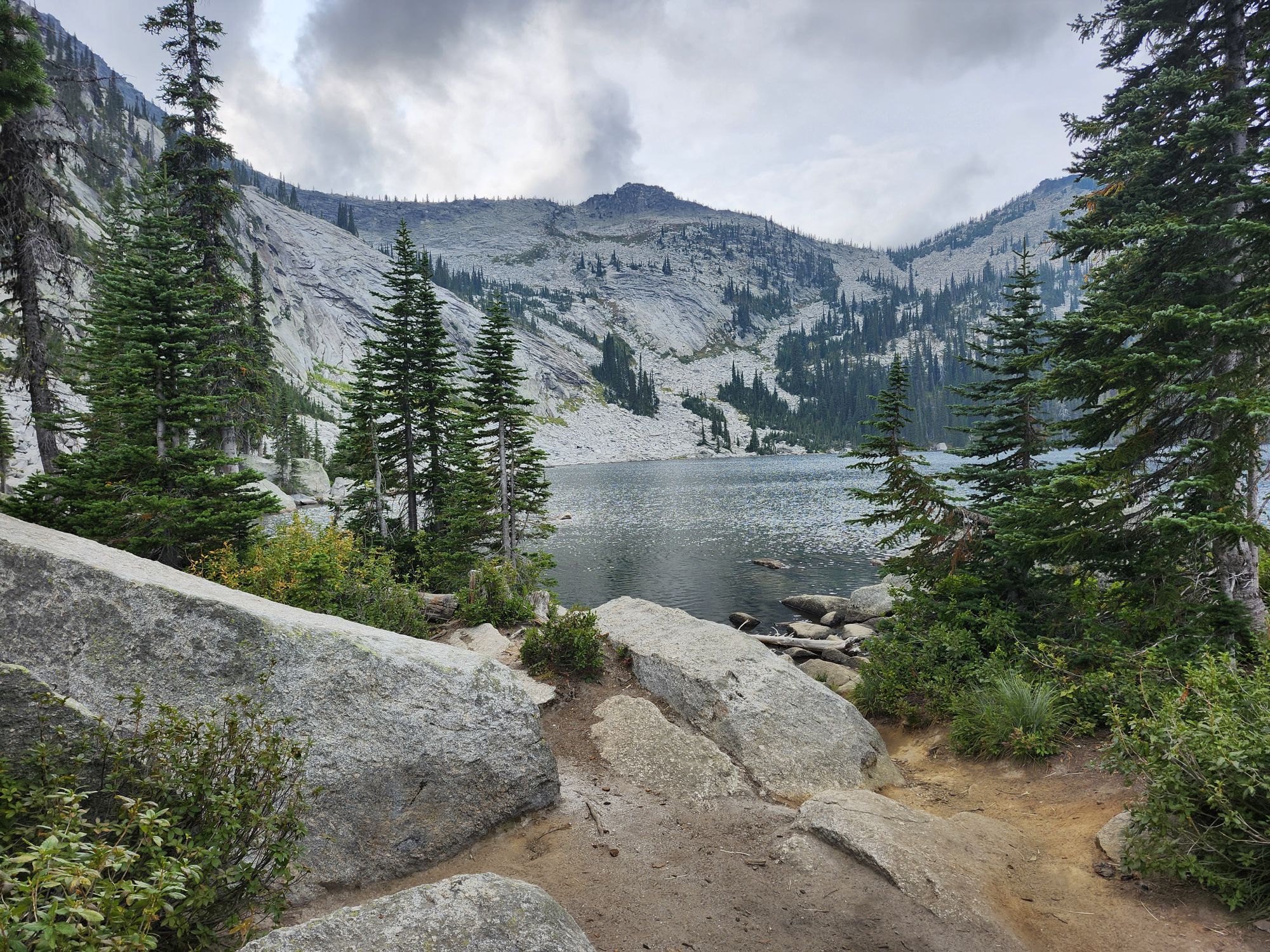
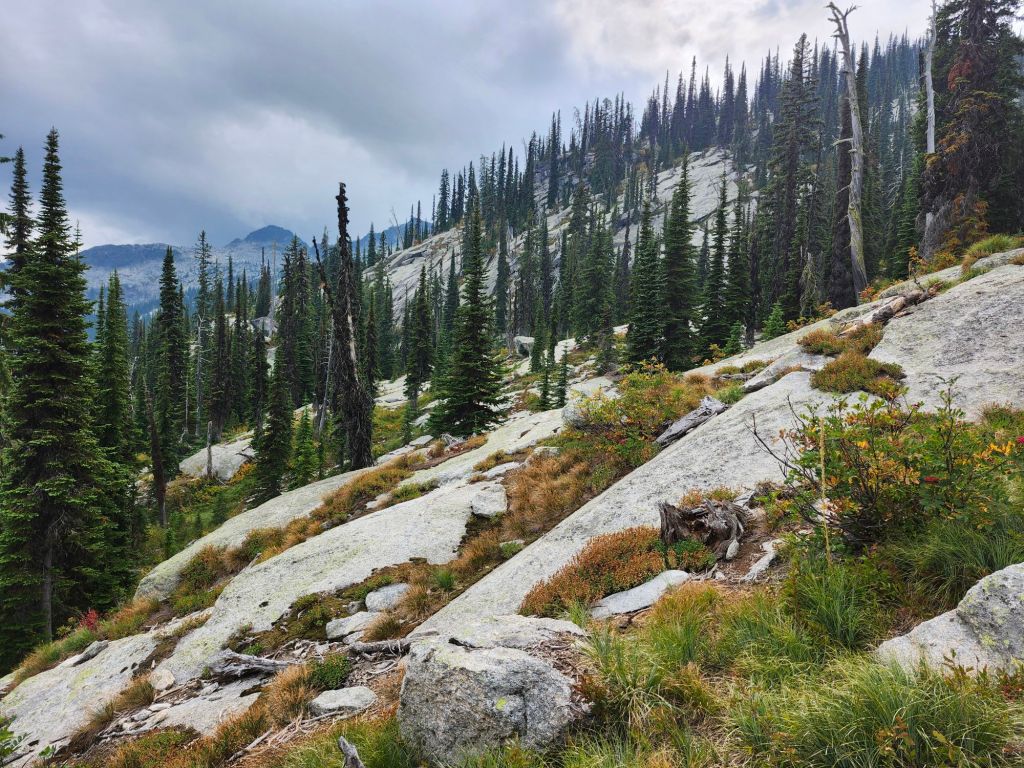
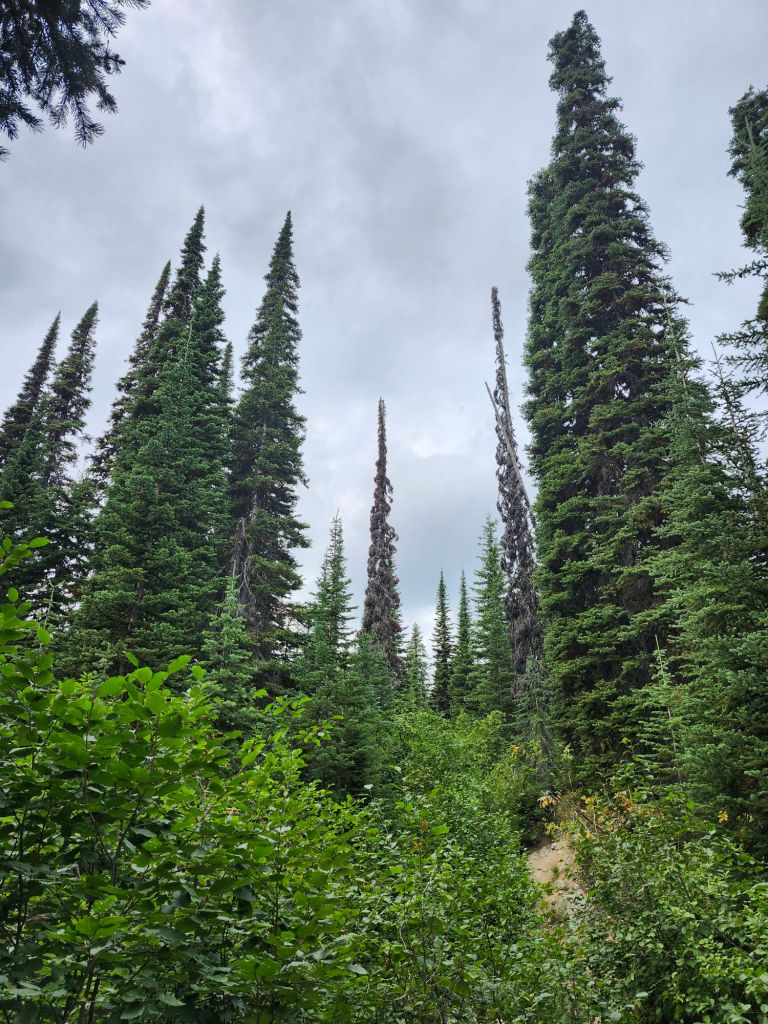
Today was a gift, maybe not Christmas, but perhaps a belated birthday gift, a week late. Whatever, a gem of a day hiking to a mountaintop lake in north Idaho.
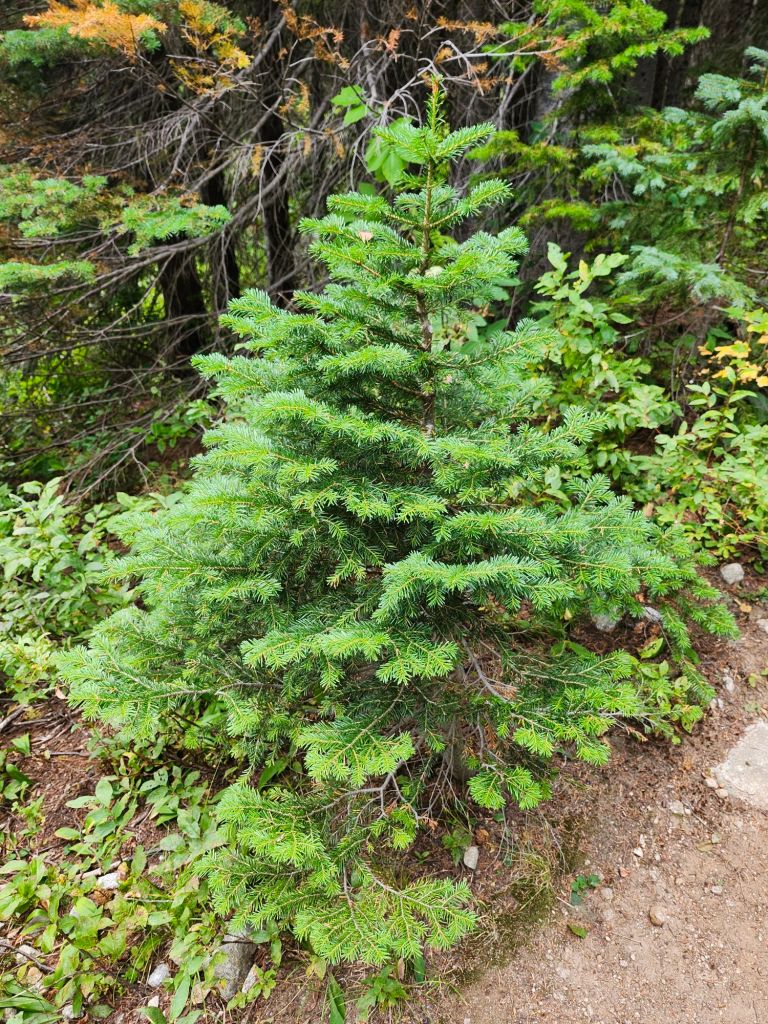
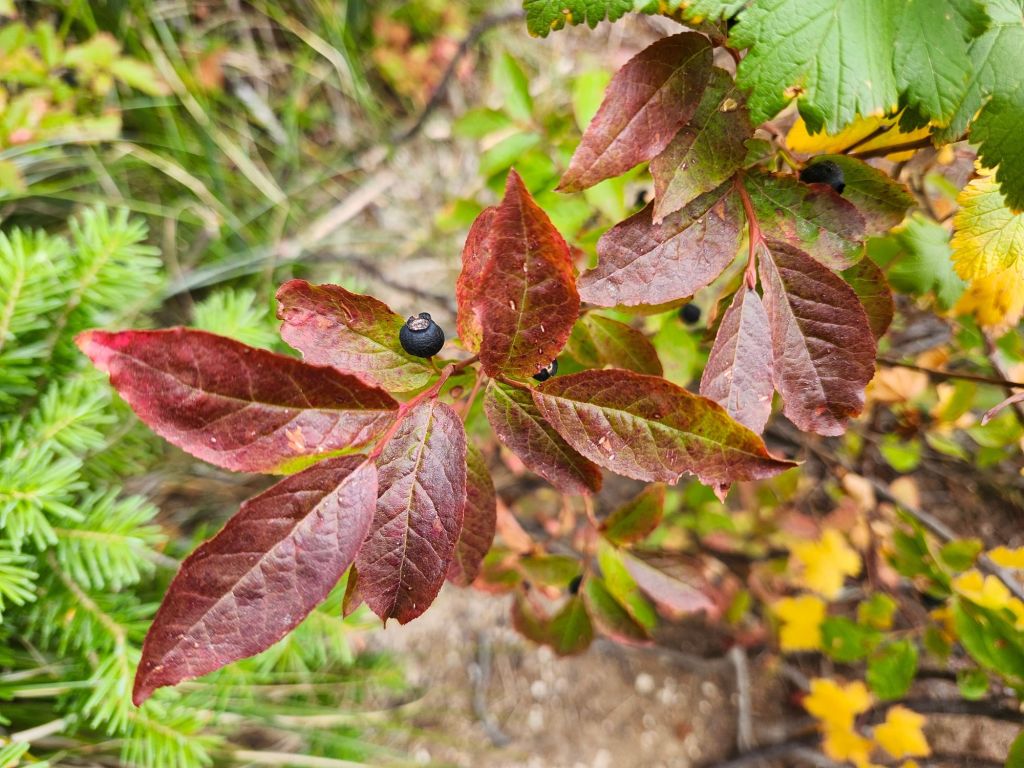
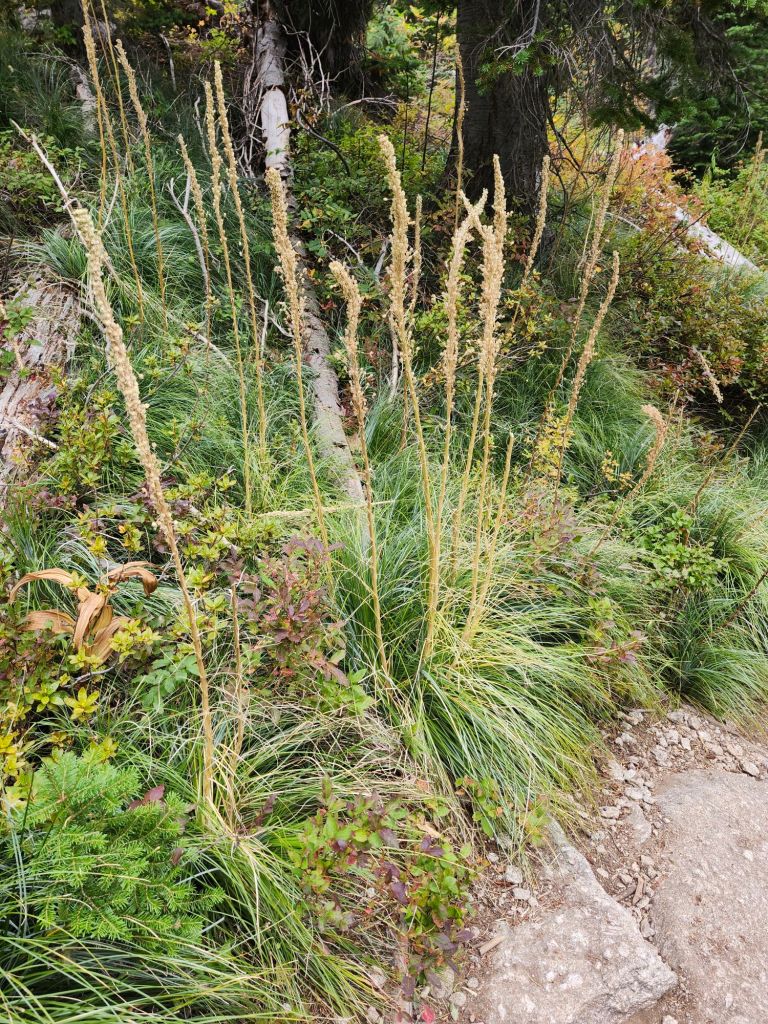
Despite the glorious scenery, I am most enthused by the trailside plants that are far different from natives of our close-to-home Blue Ridge Mountains. Many already reside in the garden. And a few others will soon be planted. Of course, I spend many relaxing hours in the garden, but hiking a mountain trail bordered by towering firs, huckleberries (Vaccinium membranaceum, above), bear grass (Xerophyllum tenax, below), and lush ferns is an afternoon not to be forgotten.
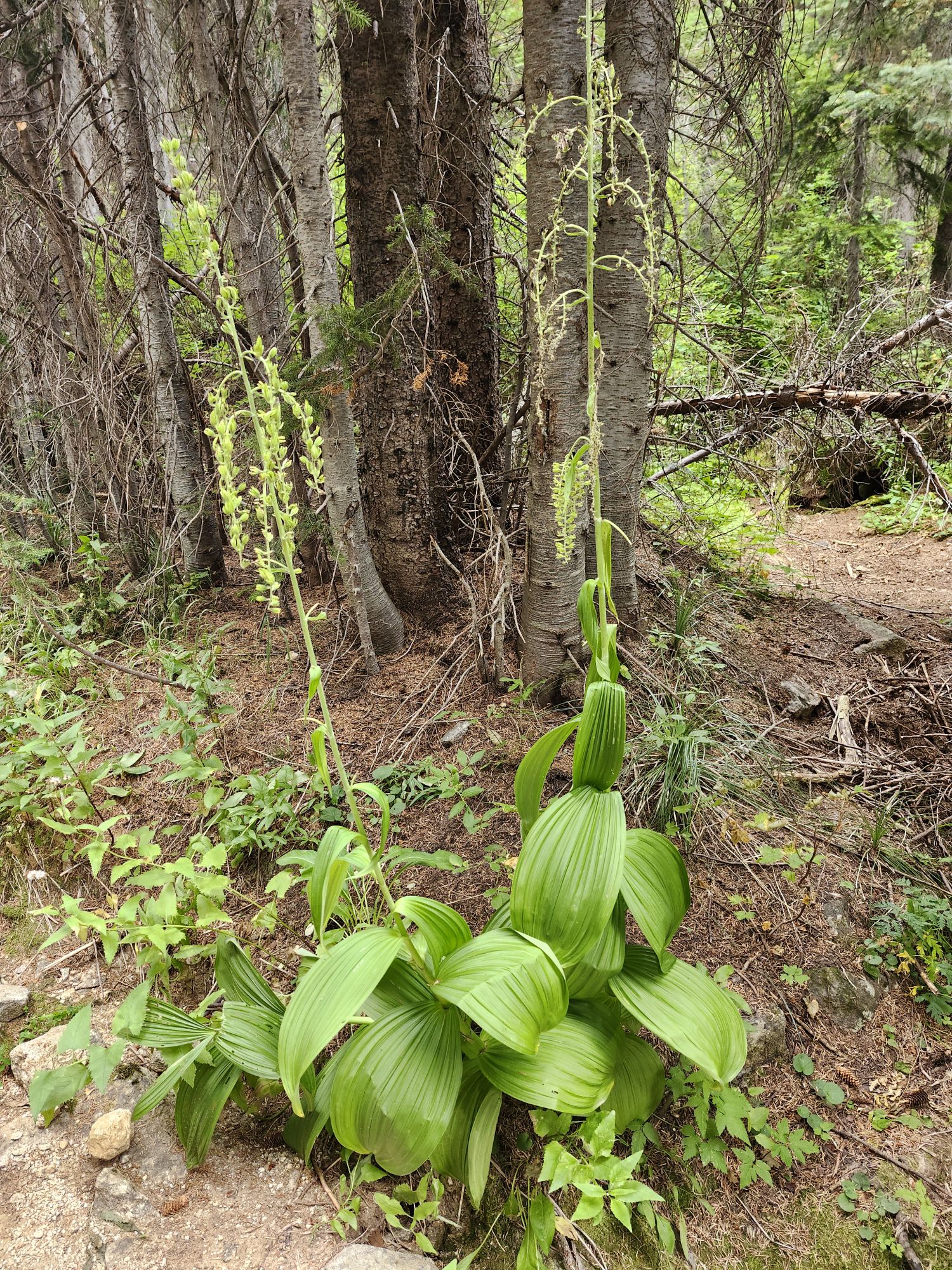
While Barbara stops to photograph the mountain vistas, Indian poke (Veratrum virides, also called false hellebore, below) alongside trickling creeks catches my eye. Runoff from melting snow has dried by mid-September, so most along the trail are fading in the late summer heat with a few thriving in damp soils.
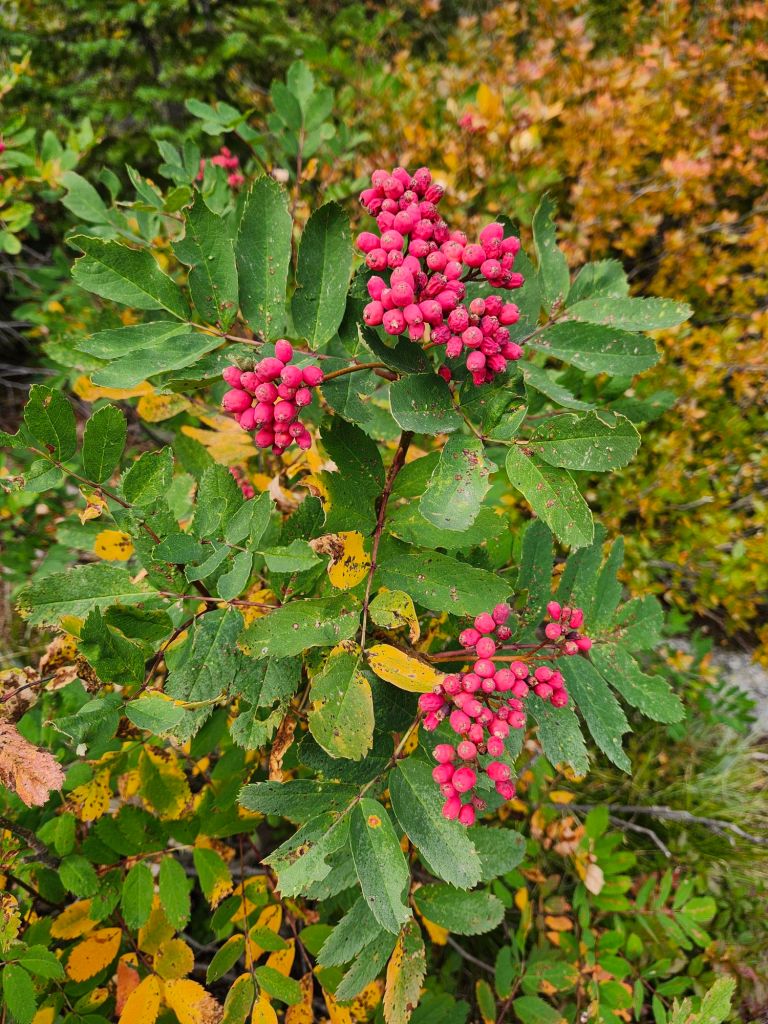
Just as chokeberries (Aronia melanocarpa) from high elevations in the Blue Ridge are not native to the conditions thirty miles away in our garden, natives to the mountains of Idaho must be carefully sited in our Virginia garden. A few species of Indian poke are seen in damp ground along our local trails, so these should thrive in our half shaded, moist, lower rear garden.
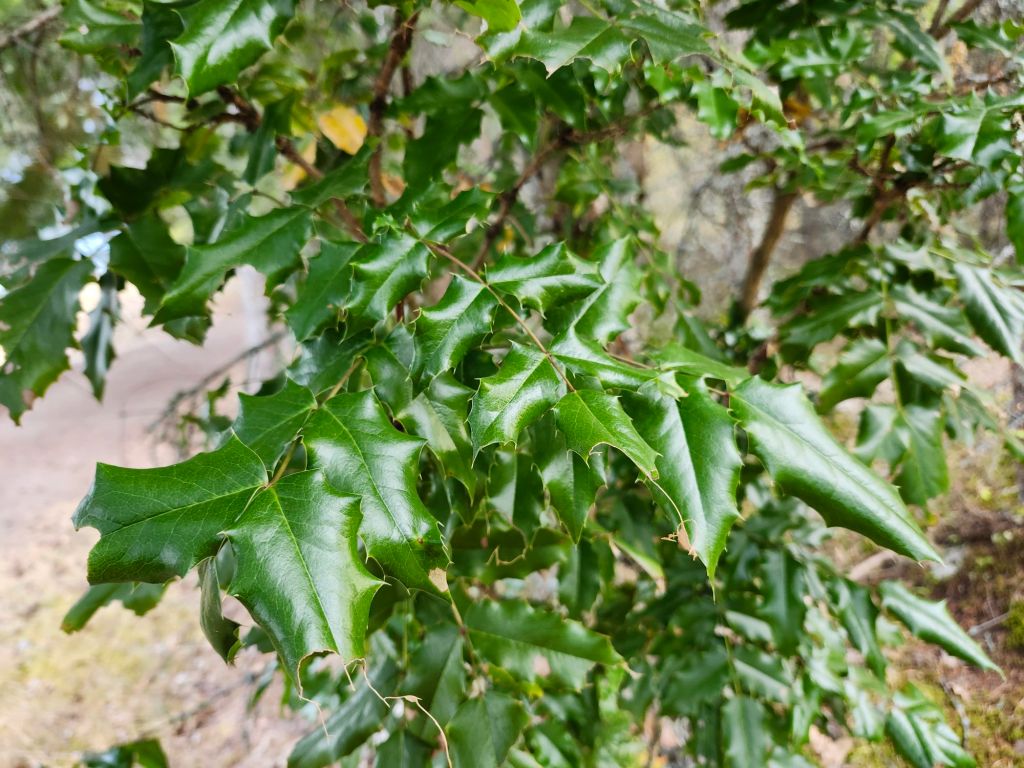
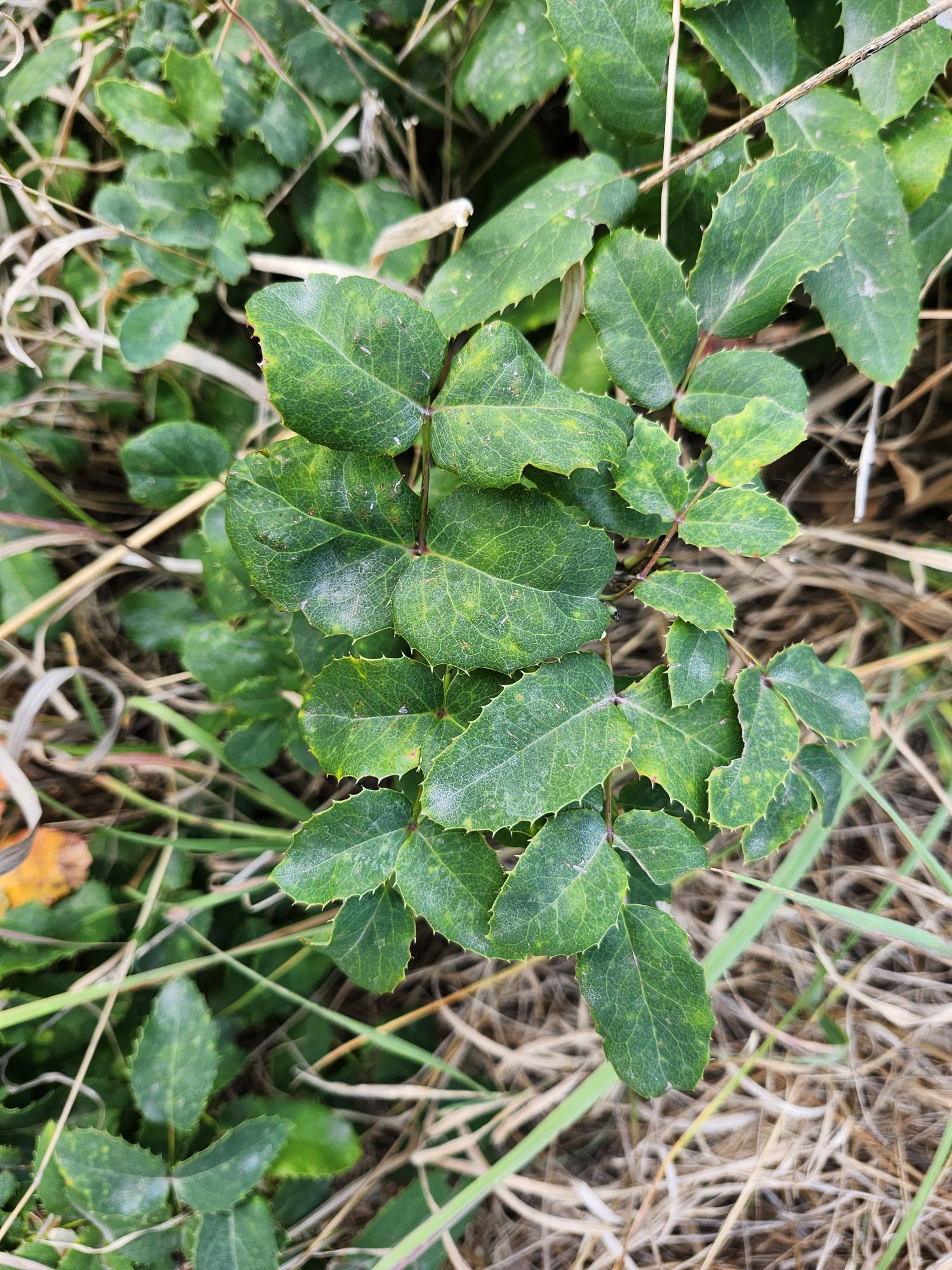
While native mahonias (now Berberis aquifolium and B. repens, above) are limited to warmer, lower elevations in Idaho, many plants along the trail are recognized, with others researched when we returned to our room at the farm.
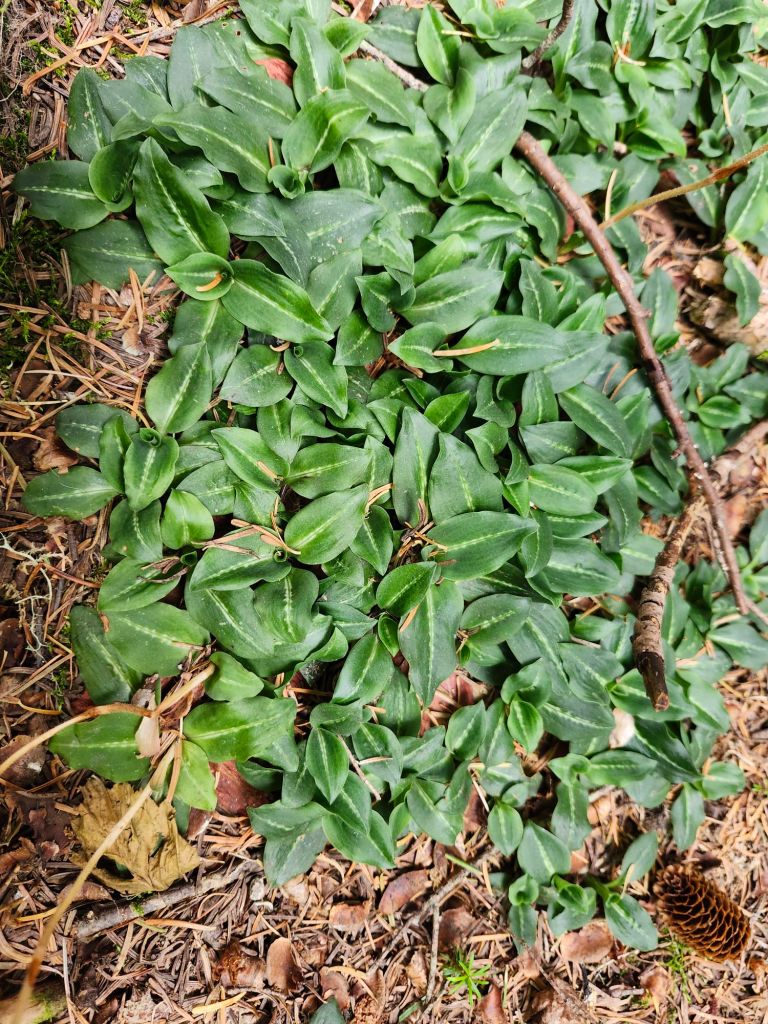
I’ve told my wife about finding the West Coast version of Rattlesnake Plantain orchids (Goodyera oblongifolia, above) on trails in coastal Washington, and here they are in abundance at just over 5000 feet elevation. The eastern Rattlesnake Plantain (Goodyera pubescens) spreads slowly in our garden, so I’ll try to find a source for the similar West Coast version. This is a steady uphill to the lake at 6200 feet, so nothing escapes my gaze.
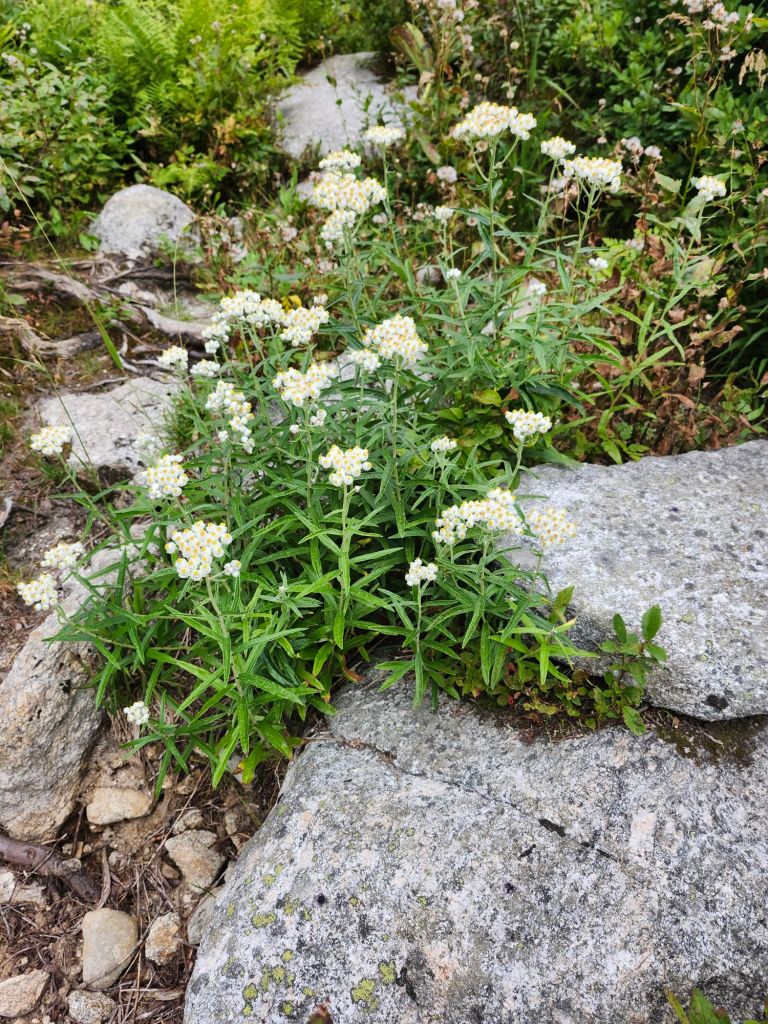
The chilly lake is the finishing highlight of this cool afternoon. I couldn’t be happier. We’ve seen two other people along the way, but countless interesting plants and splendid views.
 Ramblin' through Dave's Garden
Thanks for sharing your experience in this beautiful place!
Back home now, but I hope to return to hike in the Rockies and the Pacific Northwest. Hopefully, we’ll fit in some garden visits on our next trip.
Thank you for your latest post. They are always informative.Interesting informati
Thanks for reading.