While the majority of Japanese maples escaped the recent freeze with only minor damage, the bigleaf hydrangeas (Hydrangea macrophylla) are a disaster. Ten days earlier, new growth indicated the point to which stems were cut back, most severely and certainly including all flower buds from last year’s growth.
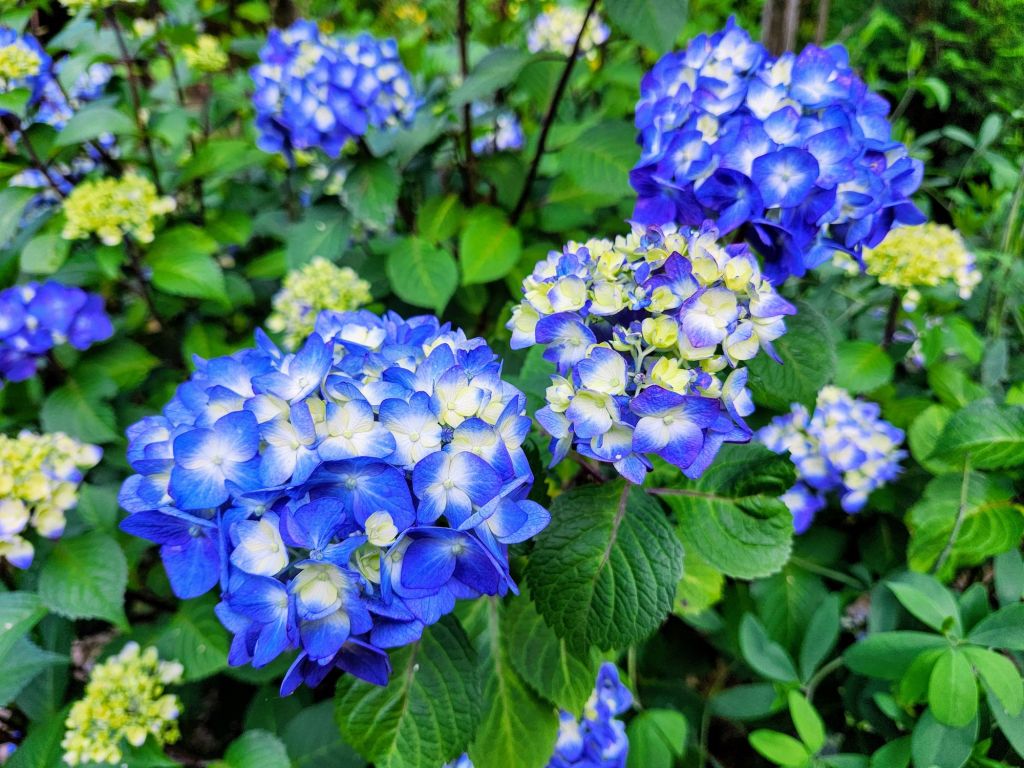
While older varieties will not flower after such a cutback, many newer hydrangeas will reset buds on spring growth. But, and the big but is, newly emerged leaves were damaged by the recent cold, so now the hydrangeas must expend energy to regrow foliage. Few blooms are expected, though shrubs might regrow to a semblance of last year’s size.
Why bother? Yes, there are years when bigleaf hydrangeas flowers splendidly, but too many winters and early springs when buds are ruined and plants disfigured (below). This is despite extensive breeding to improve the chances of flowering. Still, the bigleaf hydrangea is a soft wooded shrub prone to cold injury.
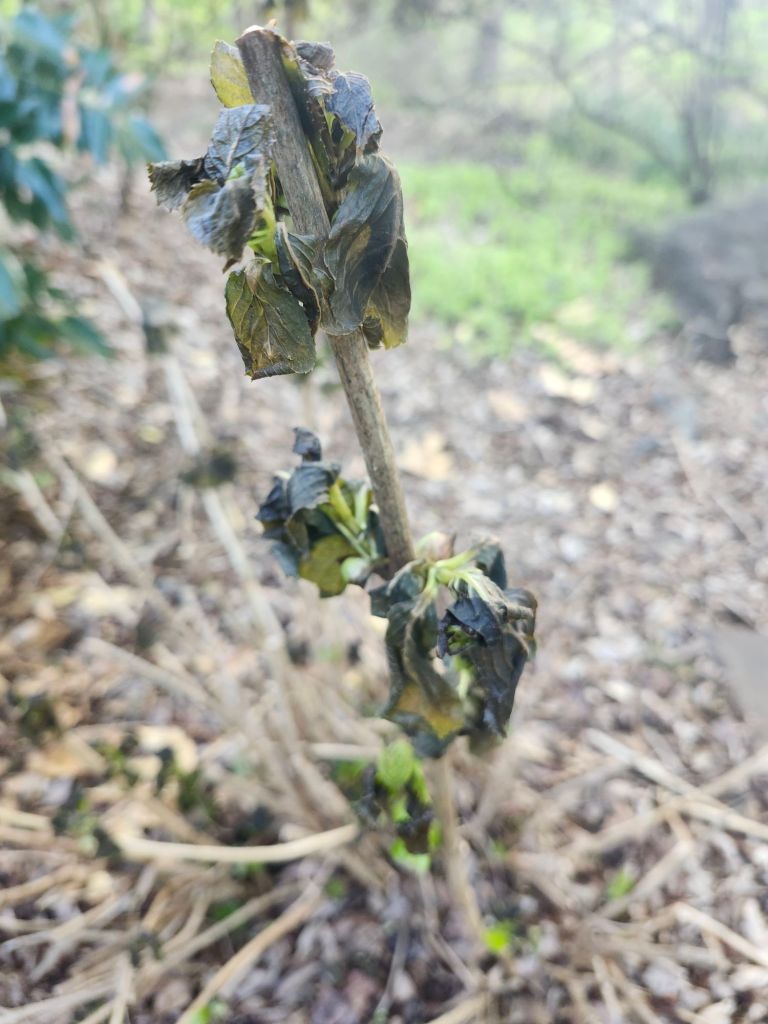
For years, I planted introductions to evaluate cold hardiness and flowering after flower bud damage as crosses were made with mountain hydrangeas (Hydrangea serrata). Lacecap types proved sturdier than showier mophead varieties with hardier stems and flower buds, but after an overnight drop to twenty-five degrees, all the bigleaf varieties suffered extensive damage.
So, what to do? I won’t dig out and discard mine, at least not immediately, but I sure won’t plant more. And, if I get an itch for another shrub, any of the hydrangeas are candidates for removal.
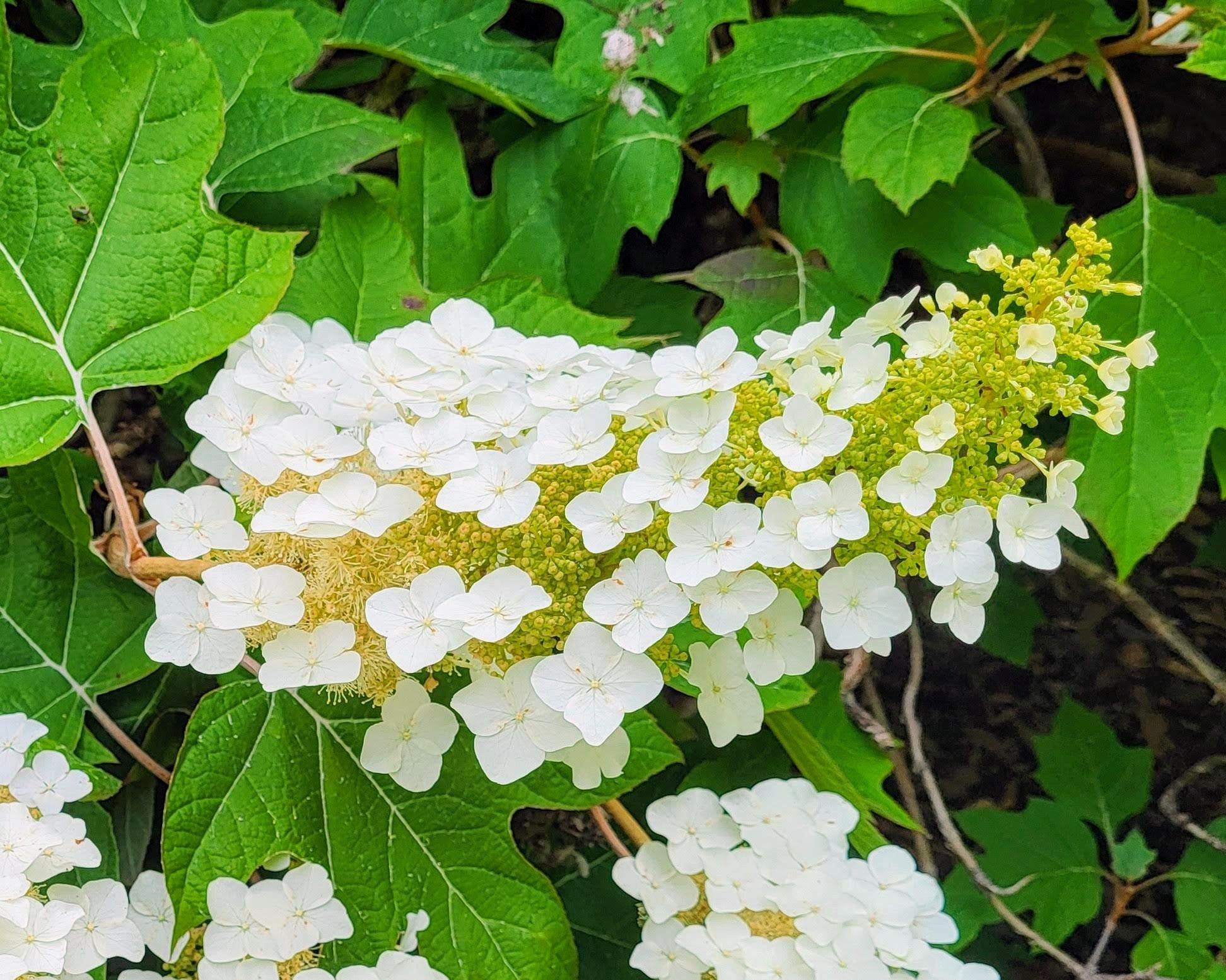
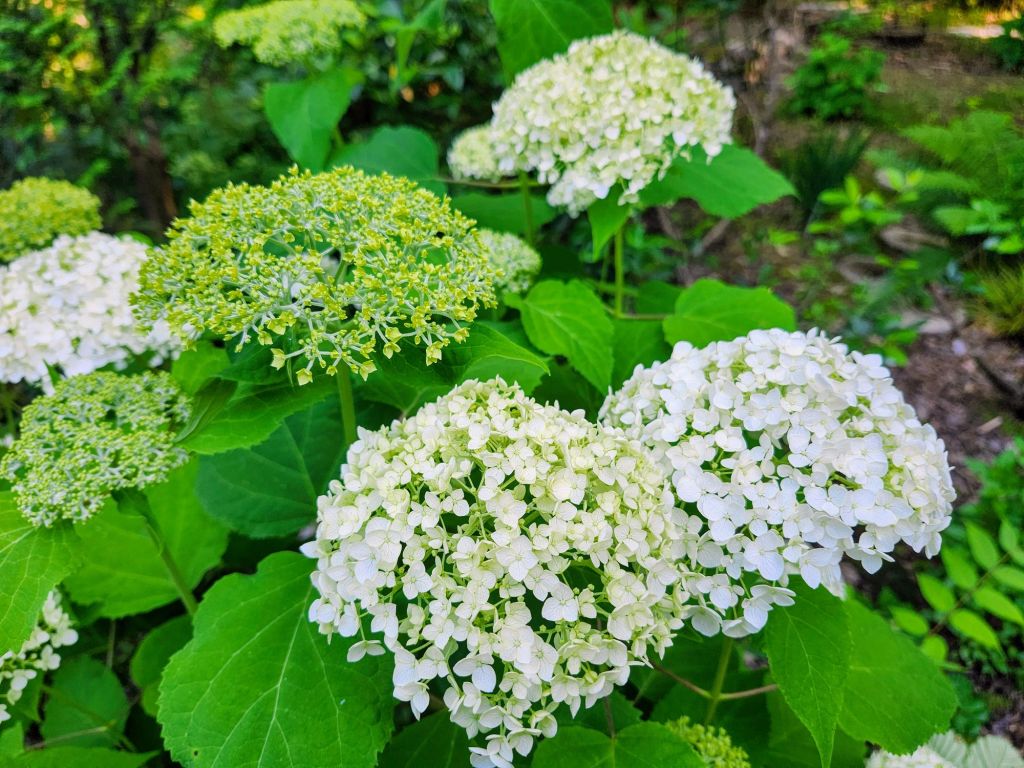
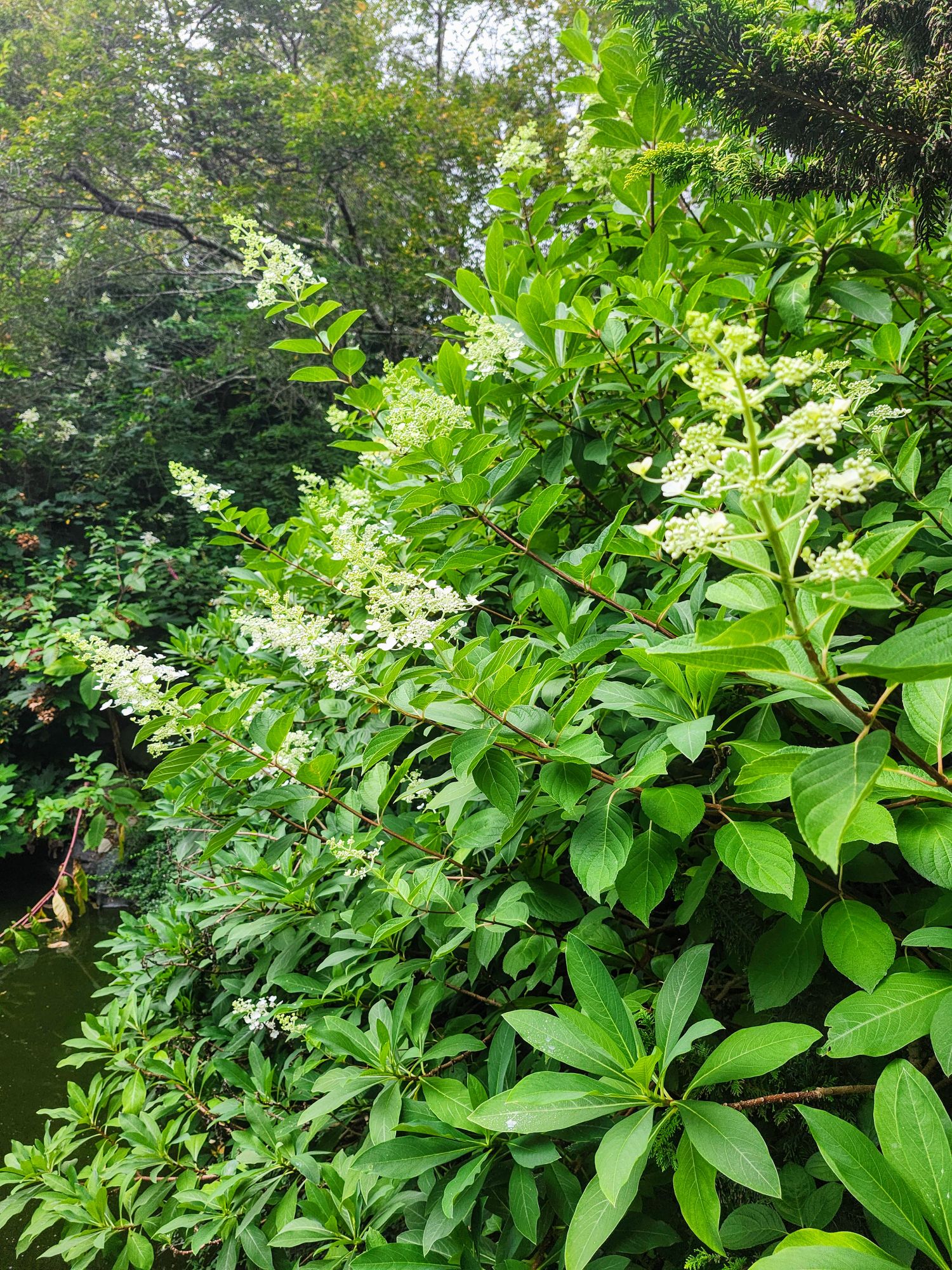
But, there’s no reason to abandon all hydrangeas. Oakleaf, panicled, and smooth hydrangeas suffered no damage in the freeze, and while soft wooded smooth hydrangeas routinely die back in winter, they quickly regrow and flower on new stems. There’s no doubt that bigleaf hydrangeas perform beautifully in areas without winter and early spring cold, but I’m finished. Any bigleaf hydrangea occupying a place in this garden is temporary.
 Ramblin' through Dave's Garden
not to mention how much the deer are attracted to them
I spray a repellent in the growing season, so deer are rarely a problem. Hydrangeas are not quite as favored as hostas and daylilies, but they’re a close second. I’ve heard several times that newly purchased hydrangeas were eaten on the driveway while waiting to be planted the next day.