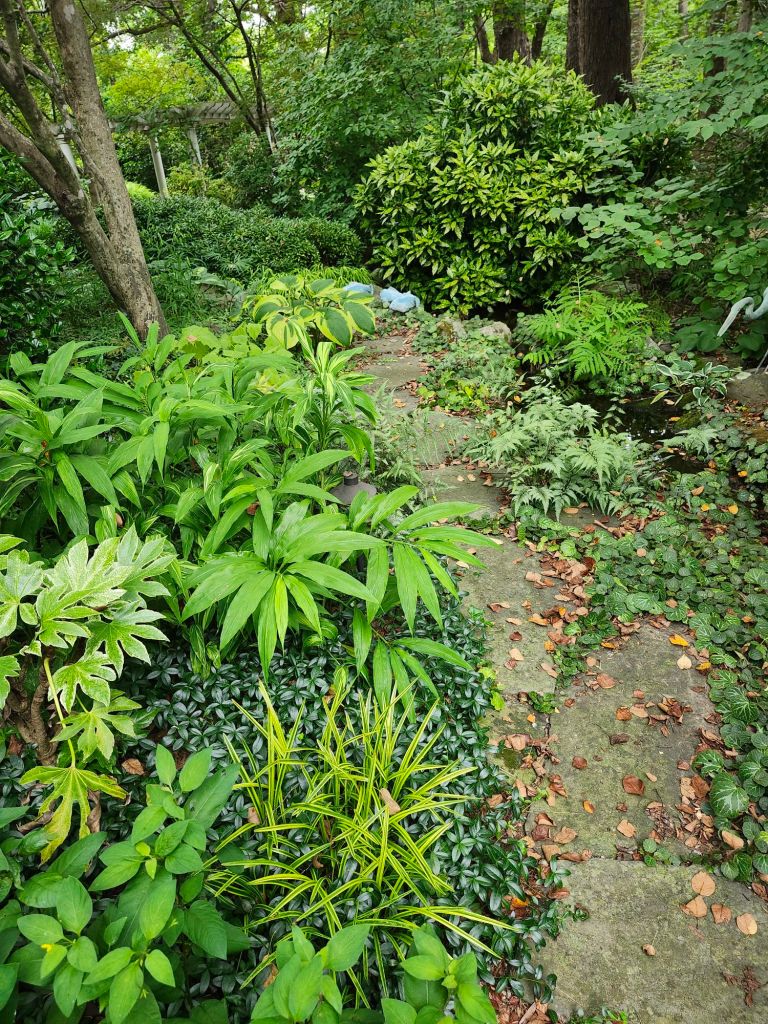
Barbara disputes my claim that I spend little time laboring in the garden. No doubt, there is some truth to her disagreement, but my slight exaggeration is intended to counter popular notions that demand lengthy monthly lists of necessary chores. Certainly, this densely planted acre and a quarter is larger than average, but I’d wager that I spend fewer minutes in maintenance than many smaller gardens.
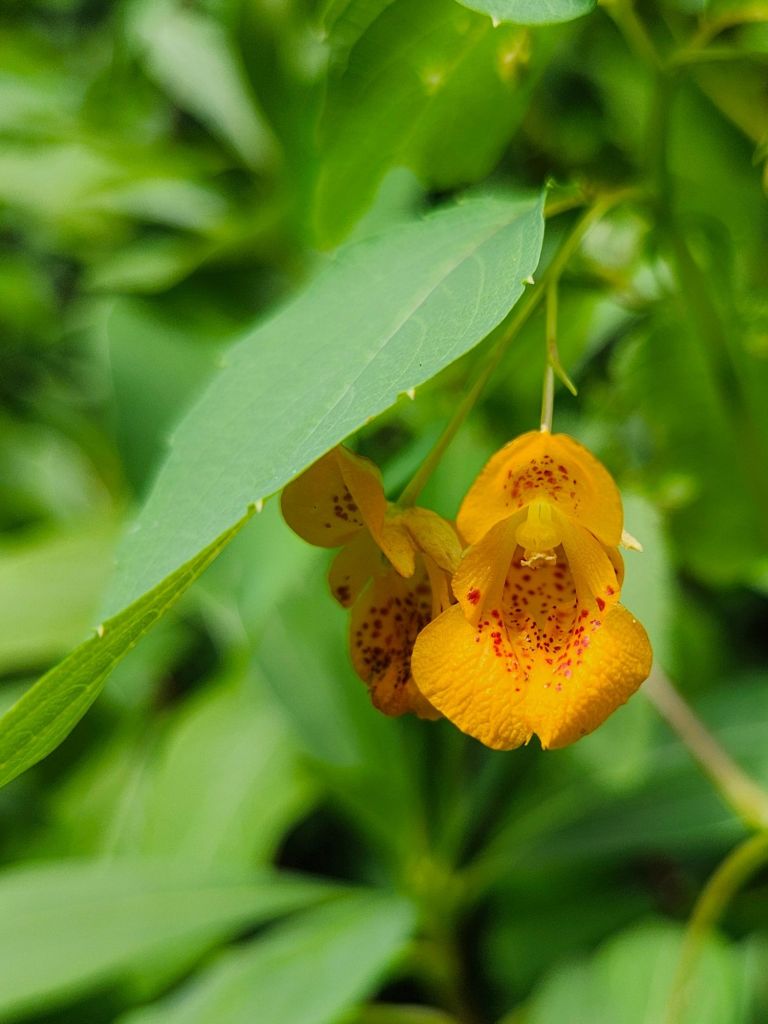
Admittedly, I have low standards for garden tidiness. I try to keep weeds under control, but I’m not bothered by an invasion just beyond my view. When the jewelweed (Impatiens capensis, below) rises through the dense canopy of paperbushes (Edgeworthia chrysantha), it’s time for action though its flower is as lovely as any in the garden.
I was greatly disturbed by the spread of several weeds that blanketed the damp, lower rear garden upon returning from a two-week vacation, knowing there was no choice but to pull for several hours, then follow up to pull again a few days later. I don’t regret leaving the garden untended, but if we didn’t travel, the hours of labor would have been replaced by a few minutes here and there any day when it wasn’t pouring rain.
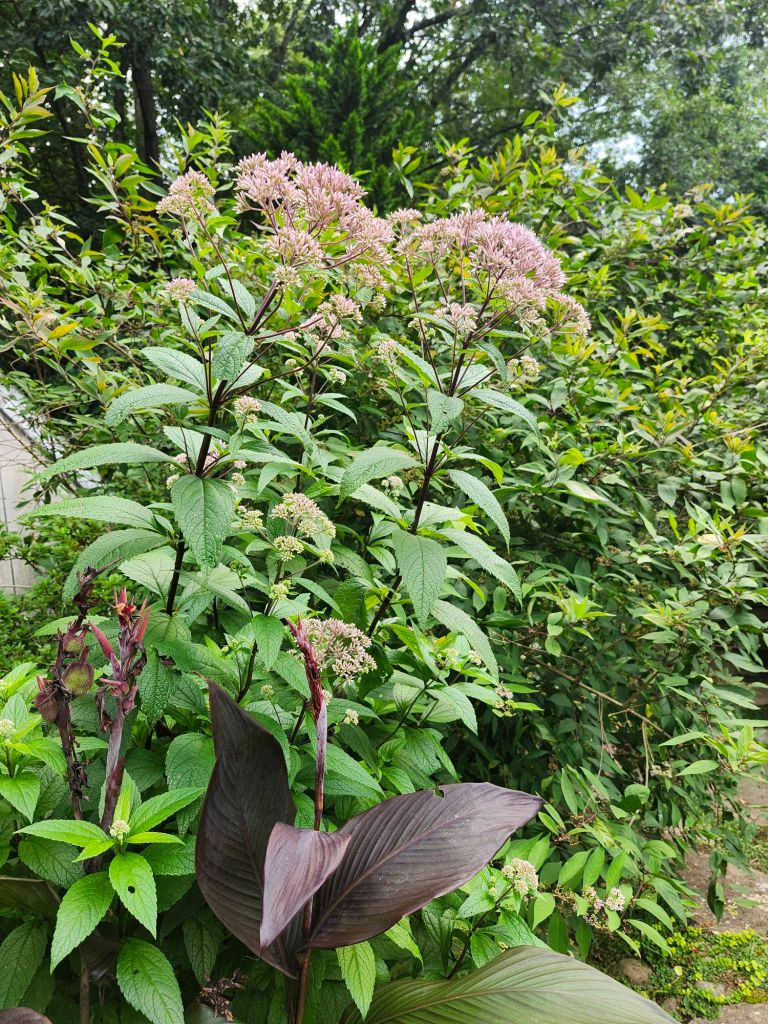
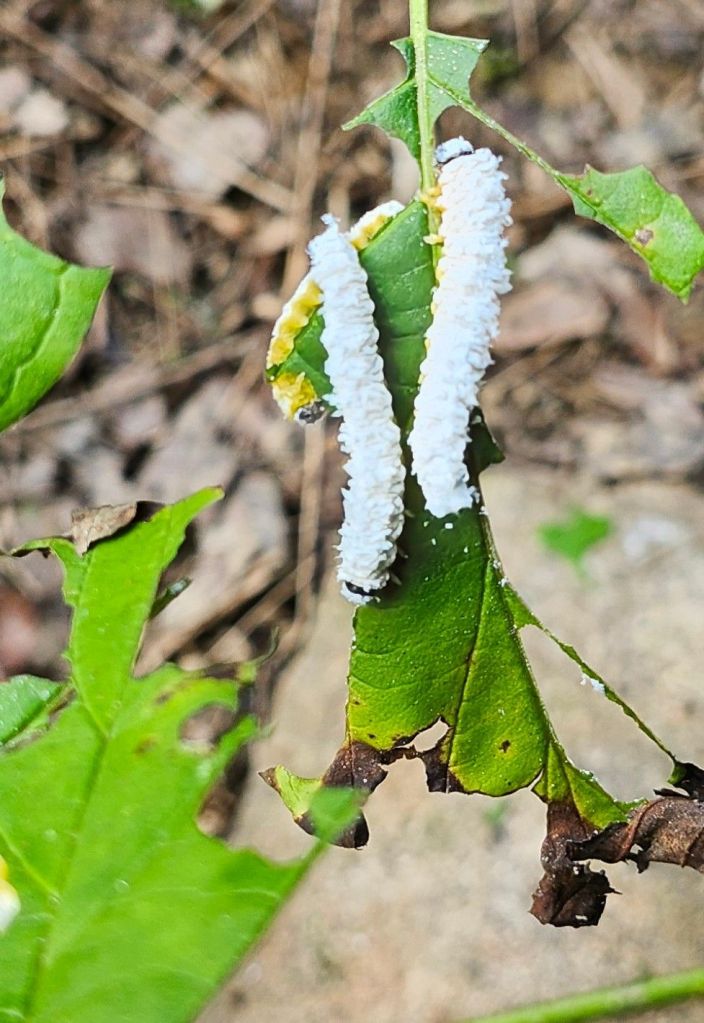
Other tasks are undertaken as needed. Pruning, mulching, fertilizing, and watering are viewed as mandatory by most gardeners, I think. Not here. Pruning dead wood and obstructing branches are necessary on occasion. I’ve seen positive results from deadheading faded flowers the few times I’ve done it, but there’s always another distraction so I don’t get back to it.
So, not to make too big a deal of it since my wife will jump in to counter my claims, but when you’ve been here long enough for the tree canopy to cover most of the garden, there’s going to be less work. And when shrubs and ground covers blanket the soil, there’s less to do. Except enjoy.
 Ramblin' through Dave's Garden
I do love shrubs and ground cover, … but with the hot Sun, here, recently, most of the ground cover has died and browned, … but there are still traces in the shade, … so it will grow back, … everything wants to live, … thank you for the update. It was wonderful to walk round your garden.,…💫
After a month of downpours, I’m now begging for rain. There have been plenty of ups and a few downs this summer in the garden.
Jewelweed is such a lovely and concerning garden presence. In the PNW I mostly see them in riparian zones.
With its few flowers, I wonder how jewelweed produces so many seedlings. If I didn’t pull them, the sunny rear garden would be blanketed by them. Fortunately, they’re easy to pull.