This winter’s exuberant buying spree has necessitated an evaluation of plants that must be sent packing to make room for newcomers. A few easily come to mind, though the additions and deletions will make little immediate impact in this acre and a quarter garden.
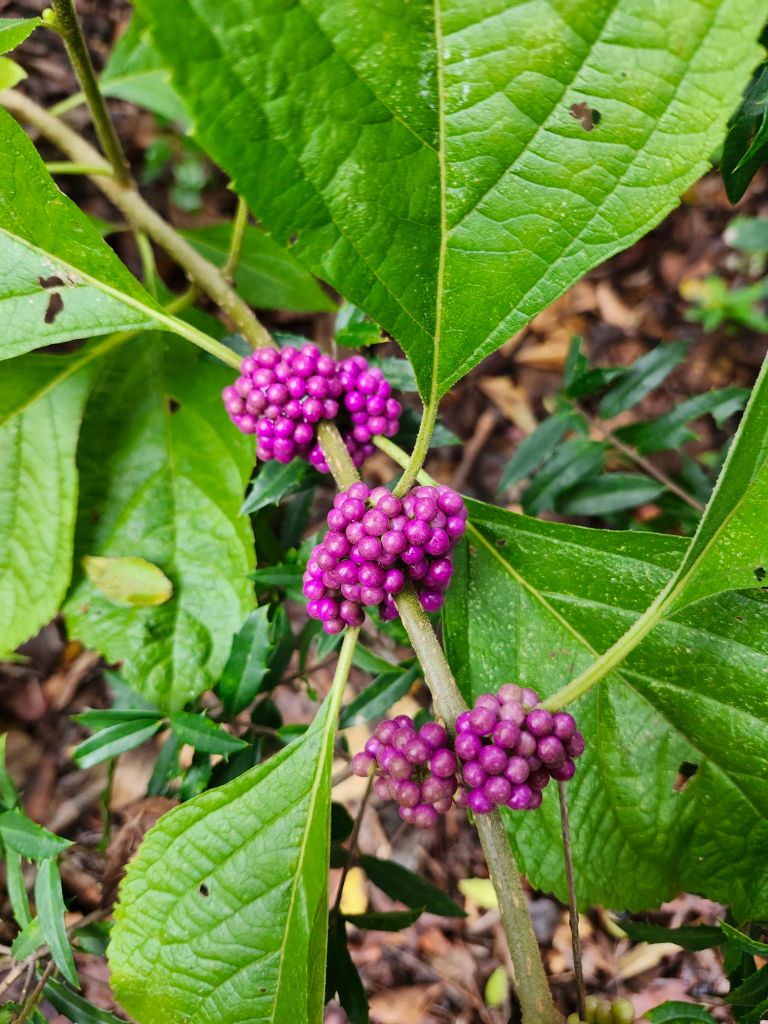
In the side garden, two beautyberries (Callicarpa americana, above) have declined in increasing shade. Neither grows or flowers sufficiently to earn their continued presence, though both would remain as useful green blobs in the background if the space was not required for splendid new acquisitions. Other beautyberries in the sunnier rear garden display their abundant berries in late summer, so the garden will not do without. I would not be without the native or Asian beautyberries.
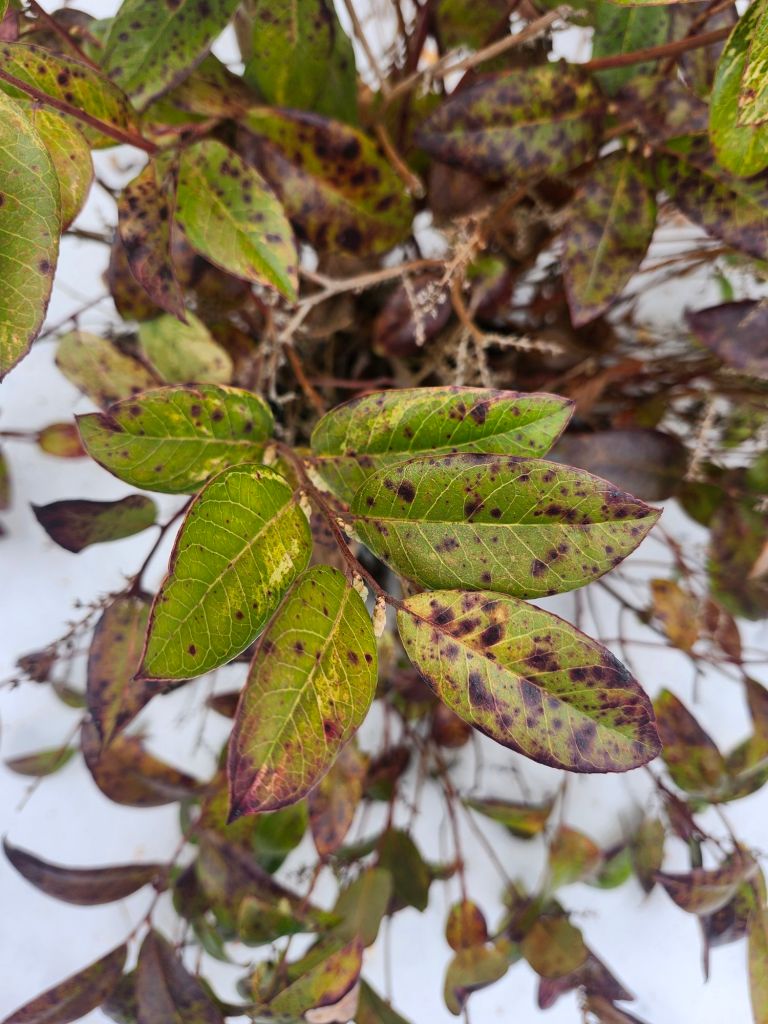
Two varieties of leucothoe (above) will be banished from prominent positions. It’s possible both could be transplanted to less conspicuous locations where their black spotted leaves would be noticed less frequently. Or, depending on my mood that day, both could be tossed onto the brush pile. Today, I lean in this direction.
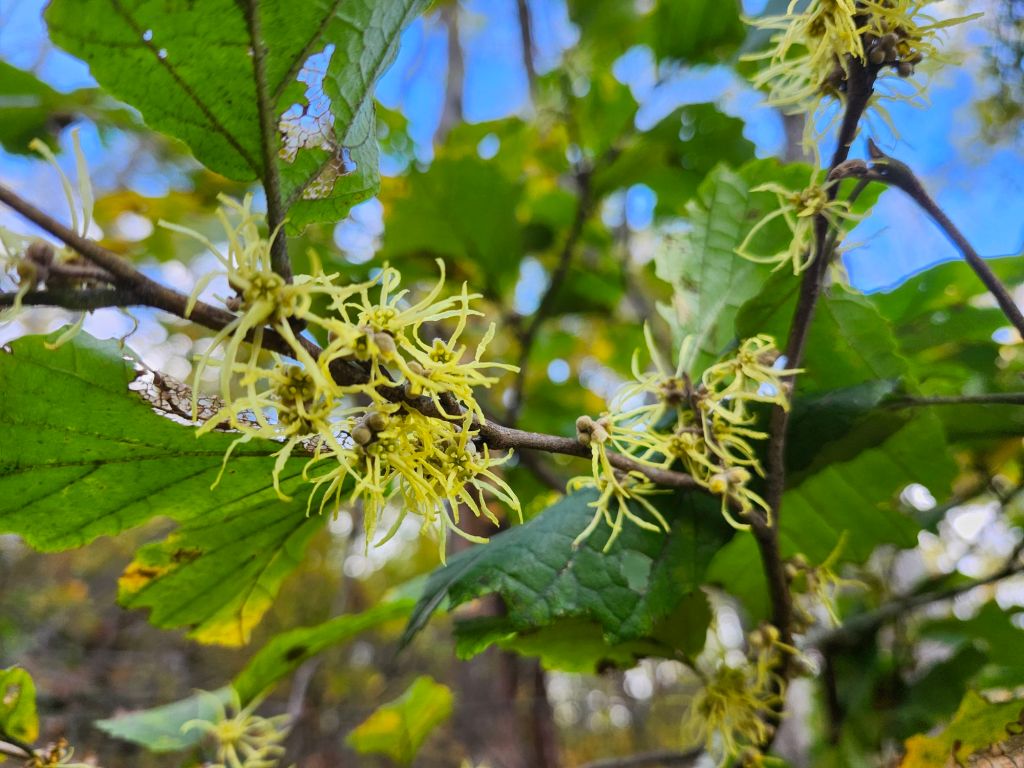
Two common witch hazels (Hamamelis virginiana, above) in the side garden are likely to be moved. While this native woodland witch hazel will flower in bright shade, neither seems up to the task. There must be a better positioning for the two, and a better plant to take their place. What that is, I don’t know yet, but there are small trees and shrubs soon to be delivered, and one or another will work here.
There is, however, an immediate concern not to be switching out too many six foot witch hazels for eight inch somethings or other. A better answer could be to move one witch hazel and wait a few years for the other. I don’t want to look at an undersized area of the garden with regret.
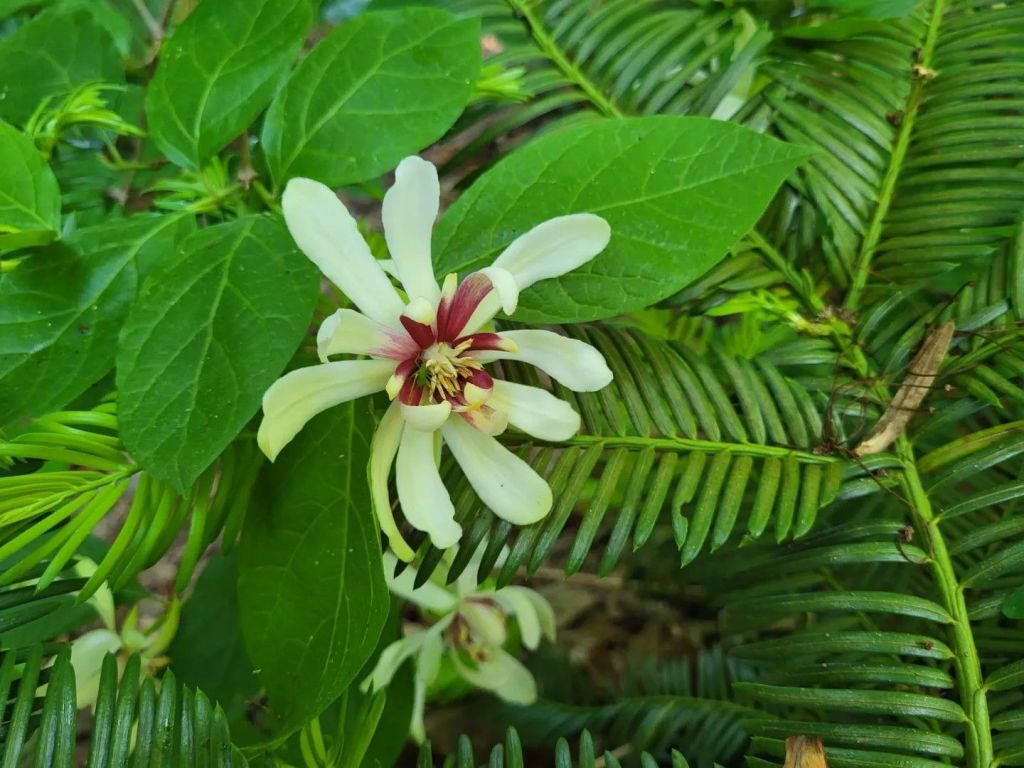
Finding a new home for a several year old, white flowered ‘Venus’ spicebush (Calycanthus ‘Venus’, above) is a necessity. Though in close proximity to a happily suckering and flowering colony of the native species (Calycanthus floridus), ‘Venus’ has not flowered in two years. I have not yet settled on a new spot for it with brighter shade, and possibly it will displace some other underperformer. In any case, it must stay, but it must be given a position where it can flower.
 Ramblin' through Dave's Garden