More Japanese maples could be crammed into the garden. I’ve visited gardens where maples are planted far too close and containers set side by side for the purpose of expanding the collection, and nevermind that these situations can be far less than ideal. In the ground, the too-close maples can become lost in a jumble where their form cannot be appreciated. I wonder what becomes of Japanese maples in containers five years from now?
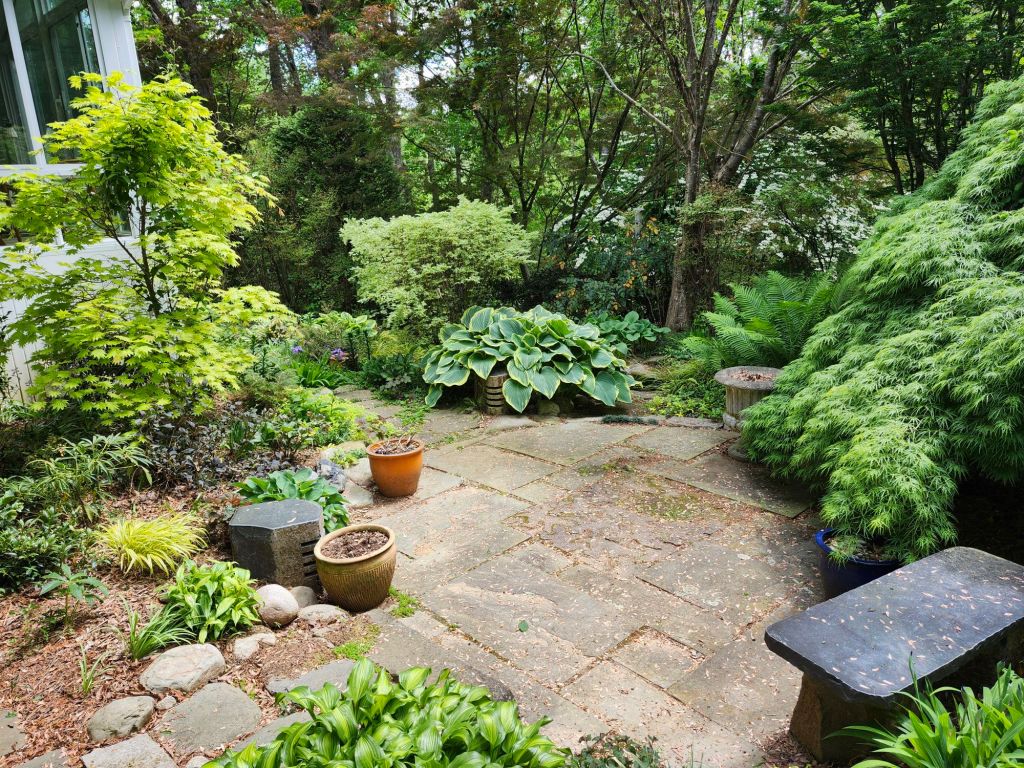
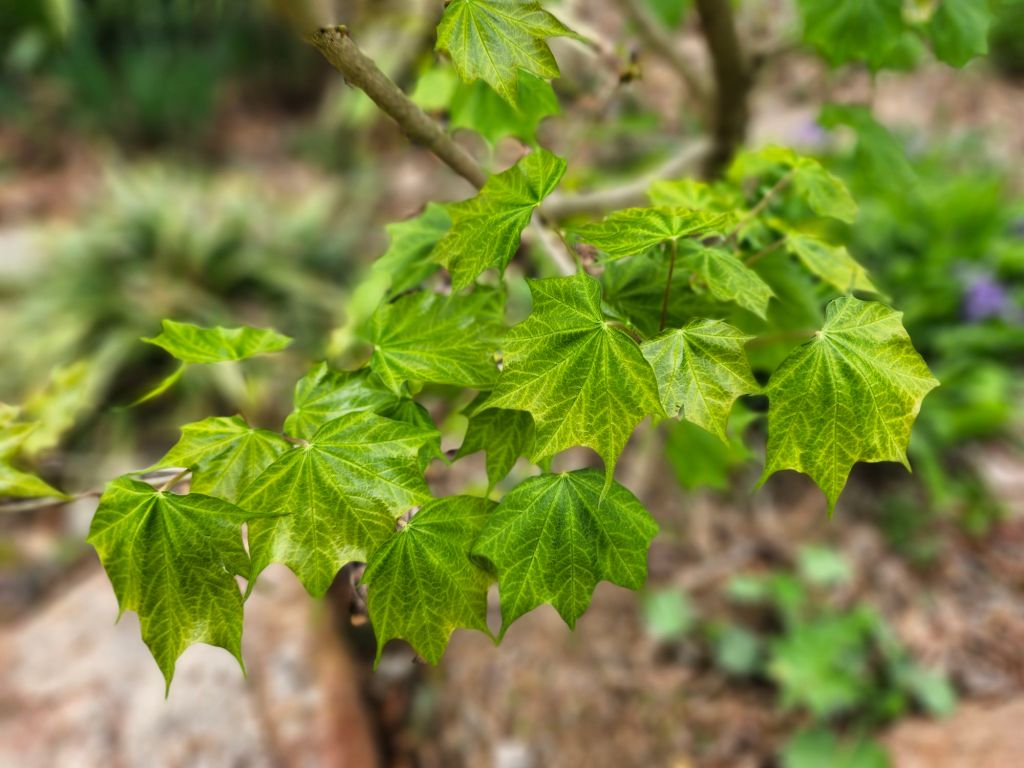
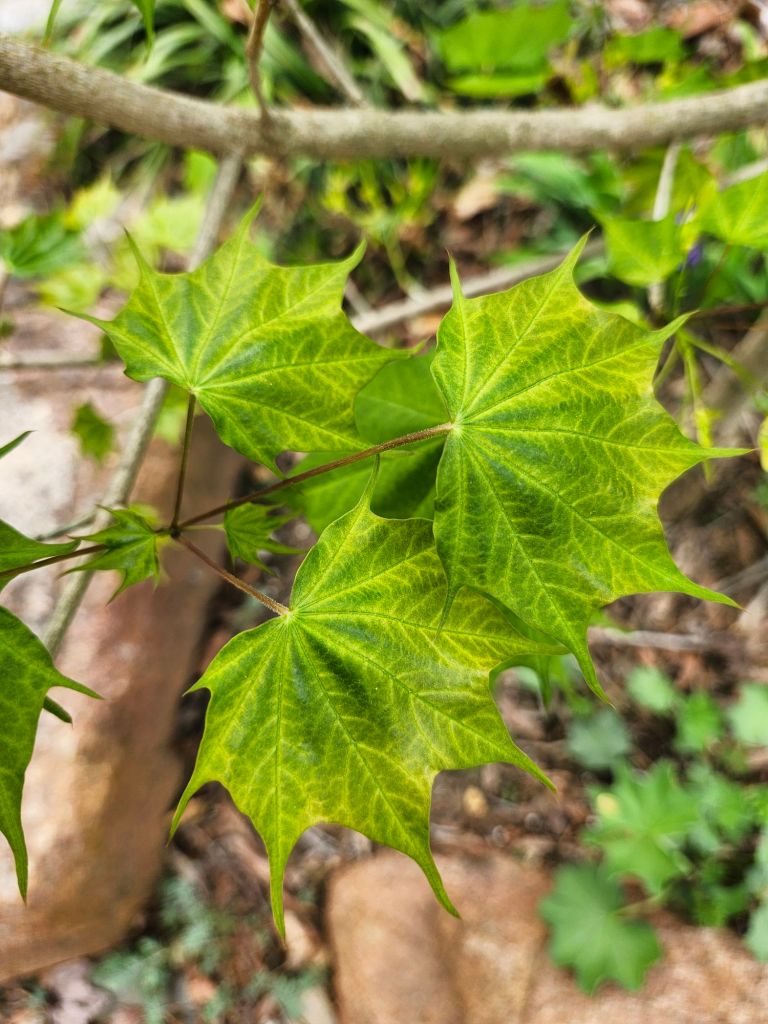
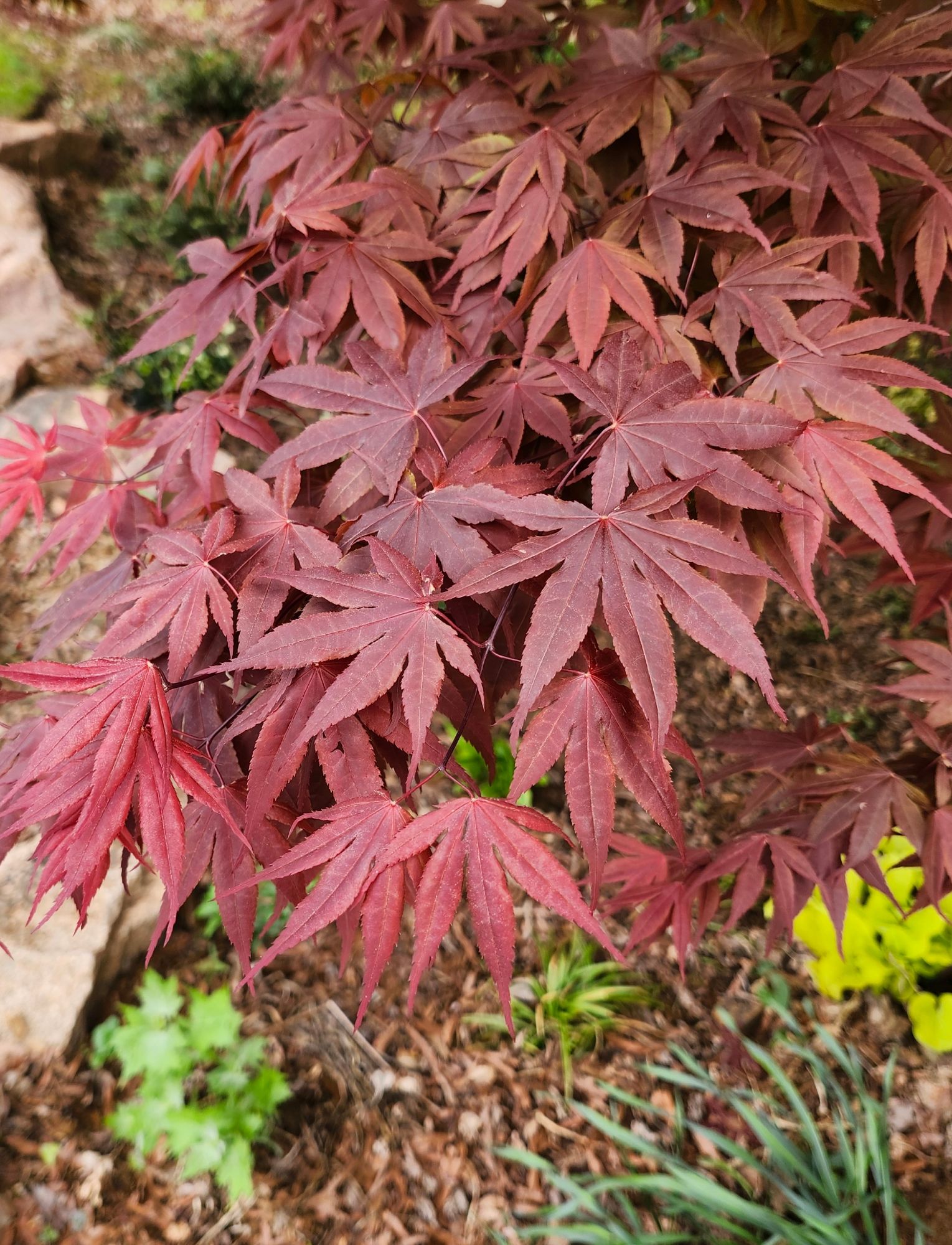
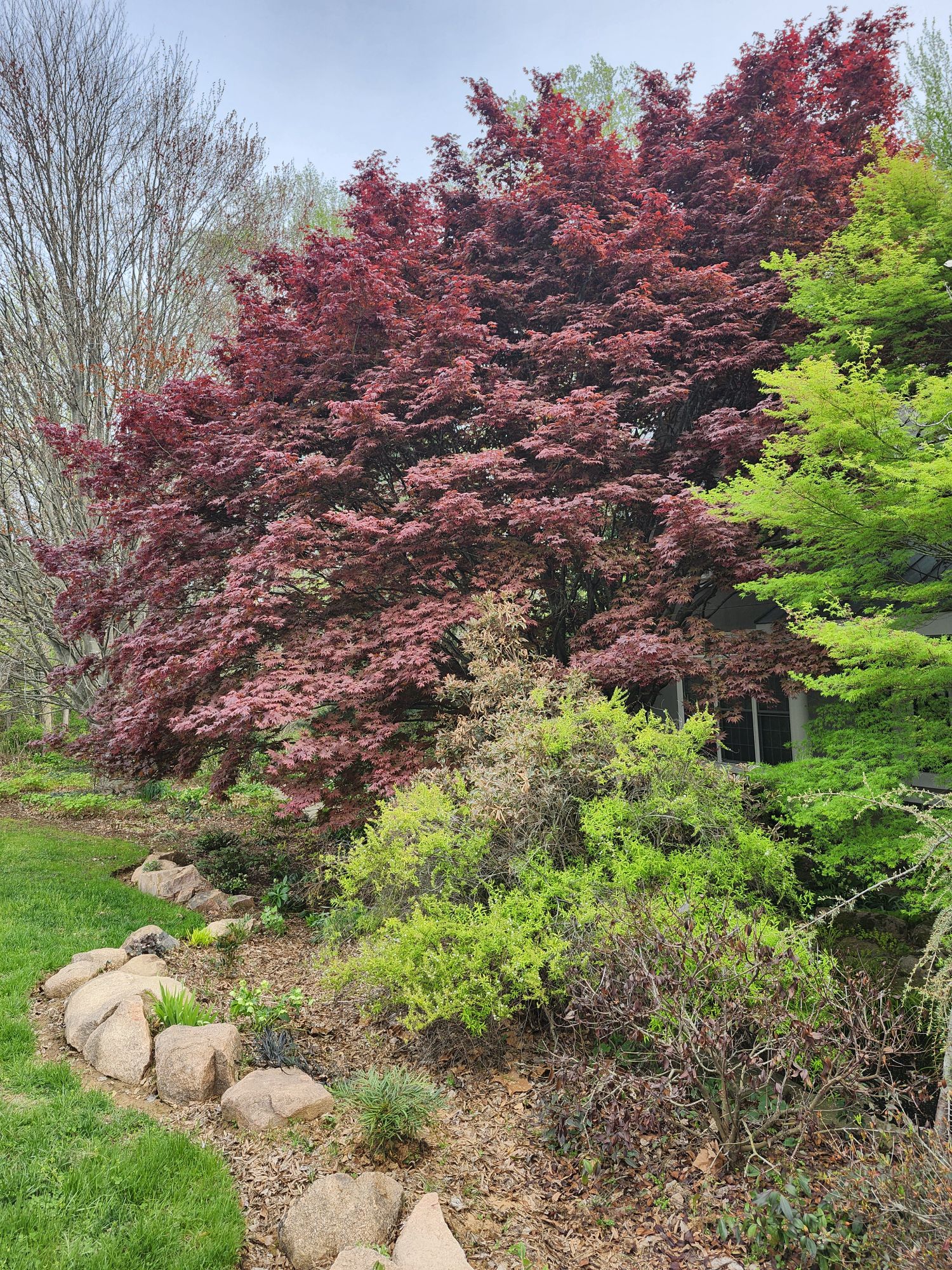
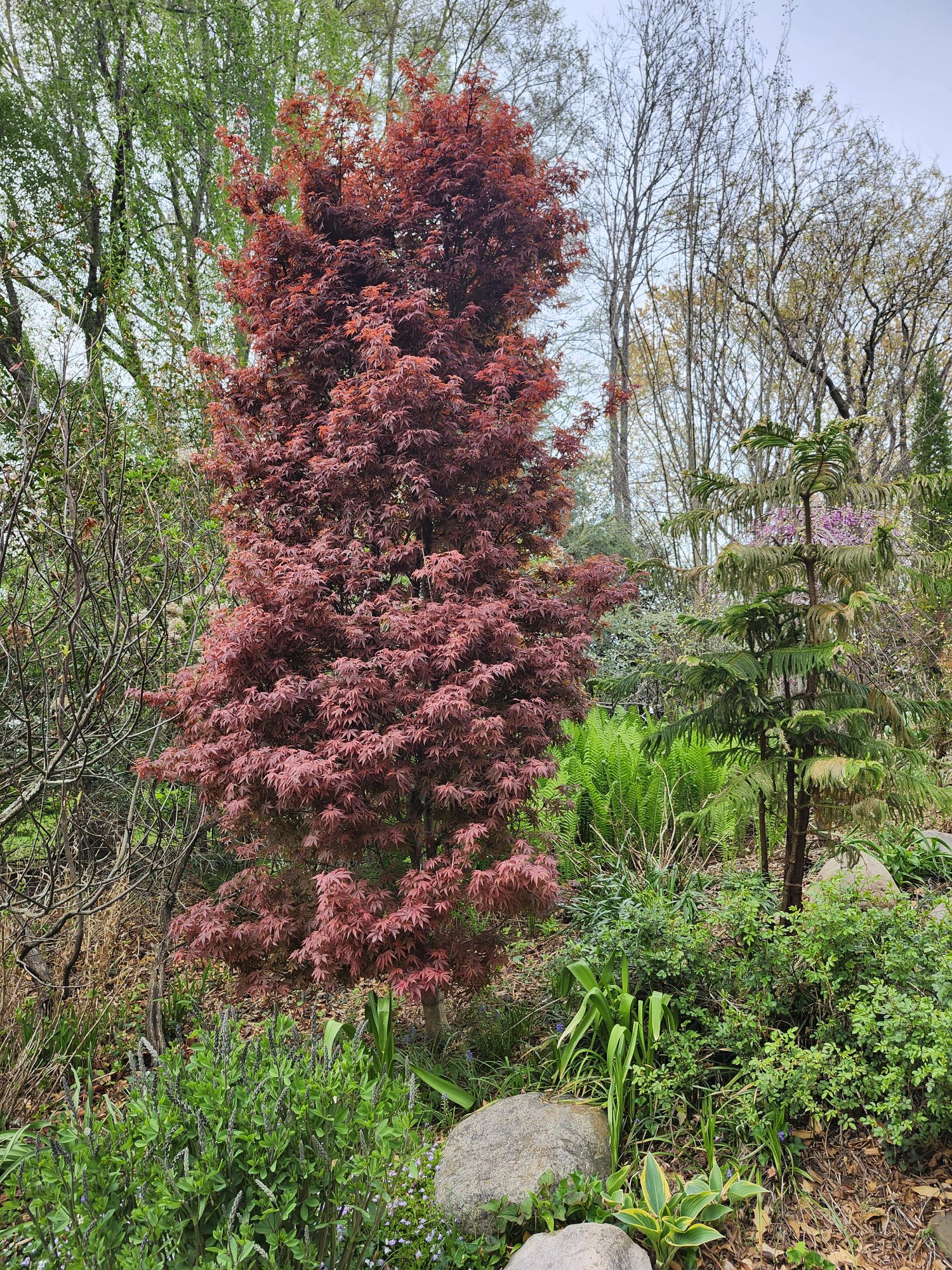
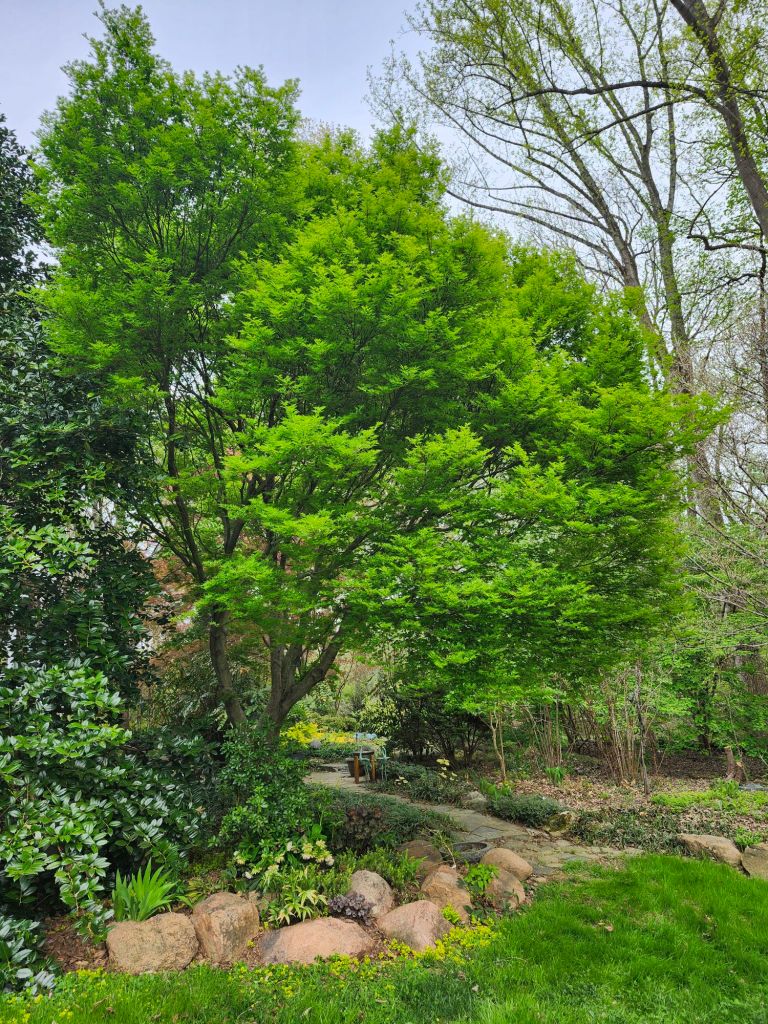
I often imagine the garden expanded by several acres (a fantasy only), and here there would be many more Japanese maples, but also additional dogwoods, redbuds, and magnolias. No doubt, I’ve planted trees closely, but with rare exception each tree has room to show its best form. And, that’s after thirty-seven years with many maples three decades and older.
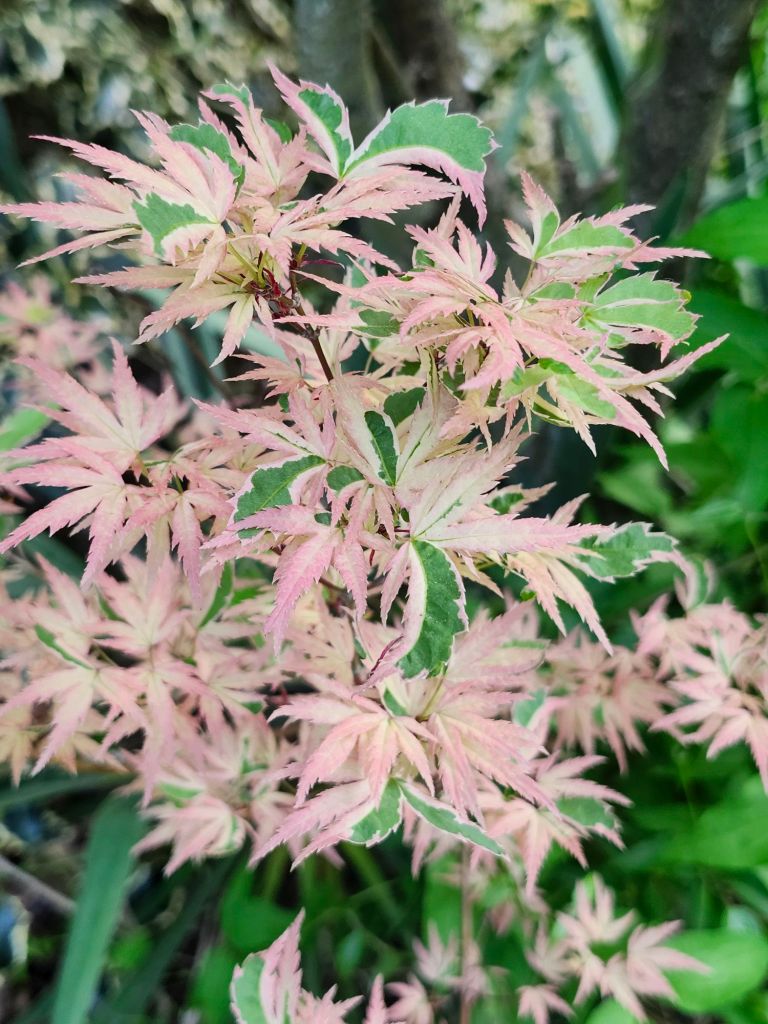
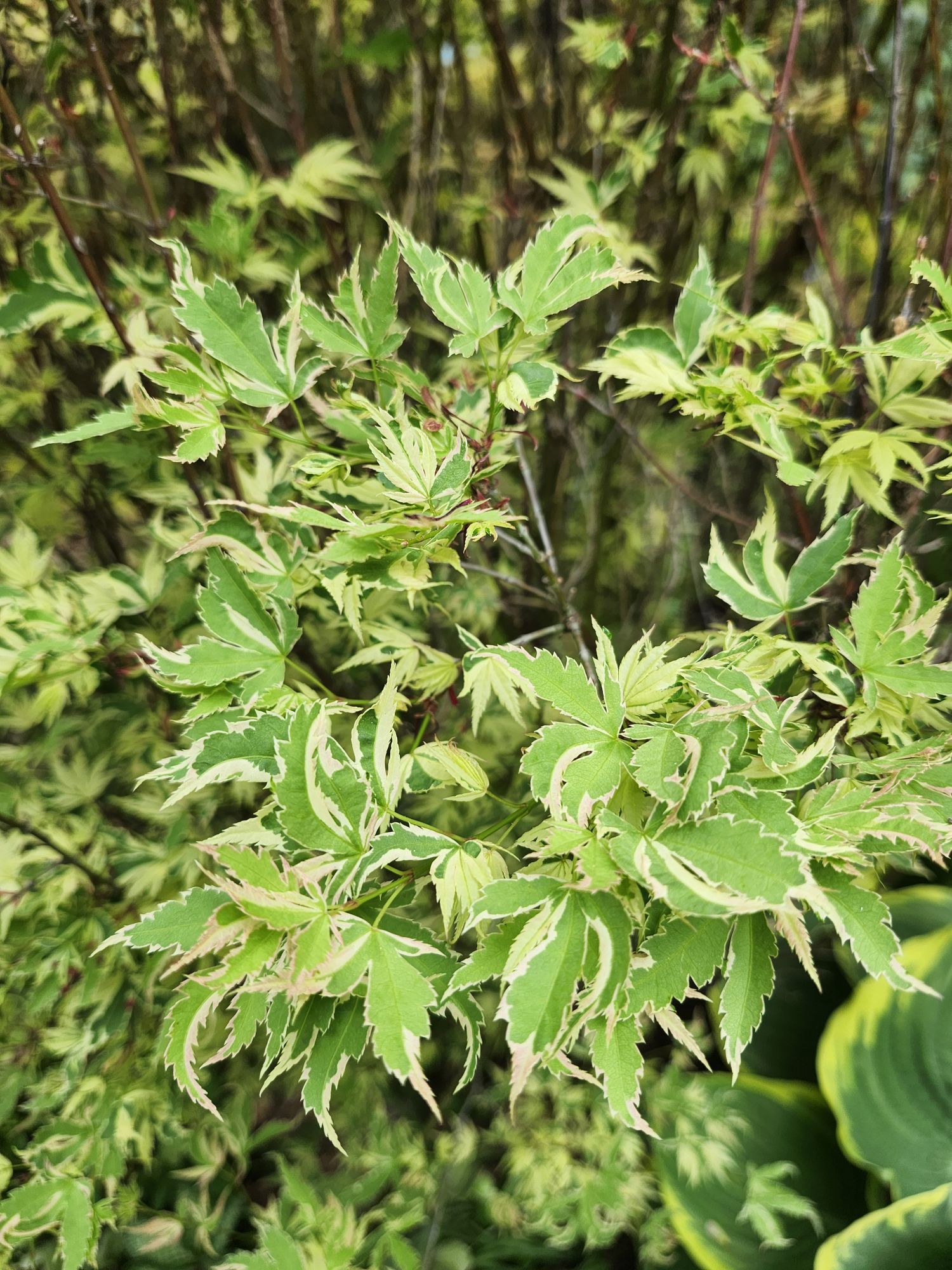
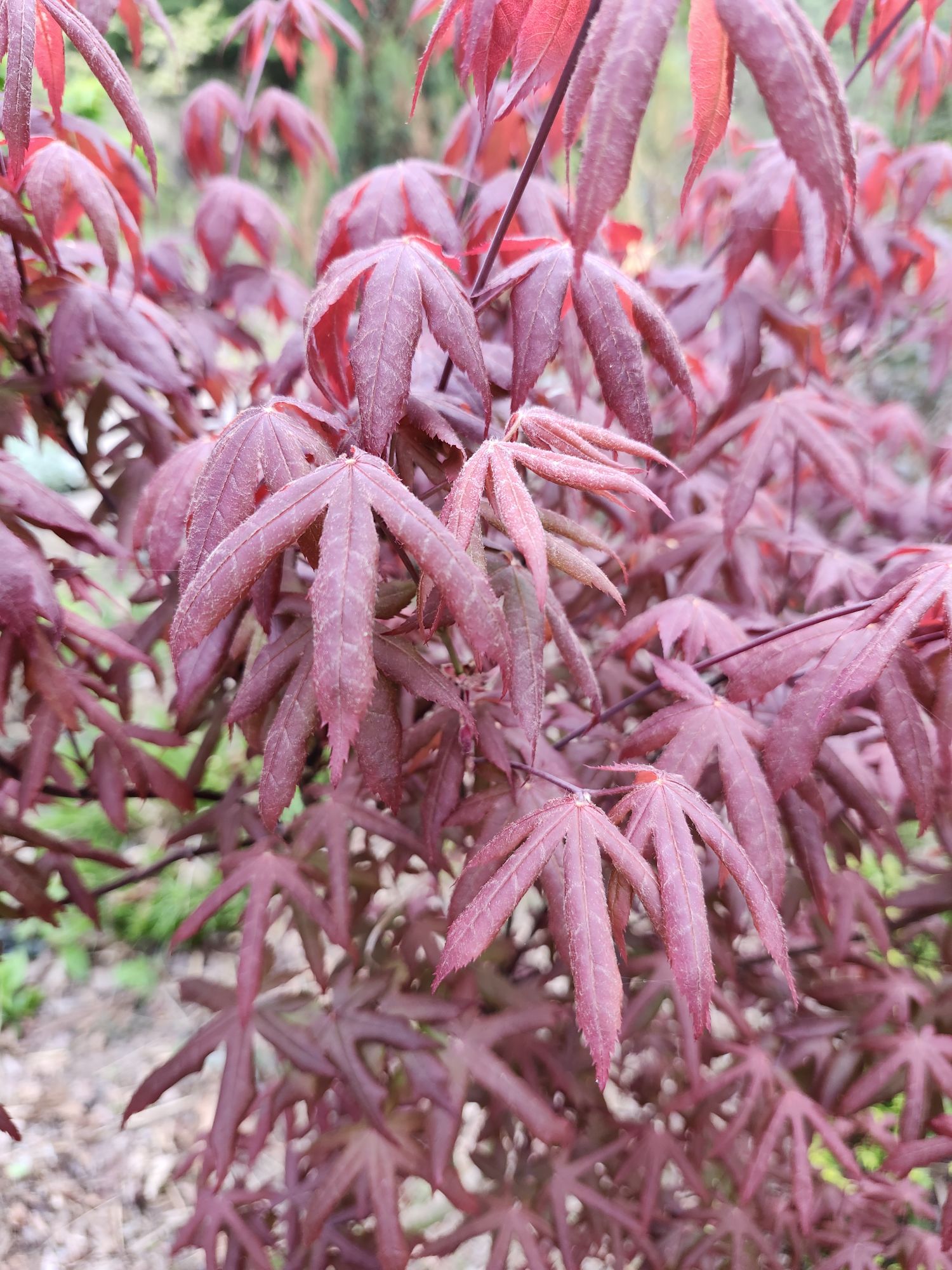
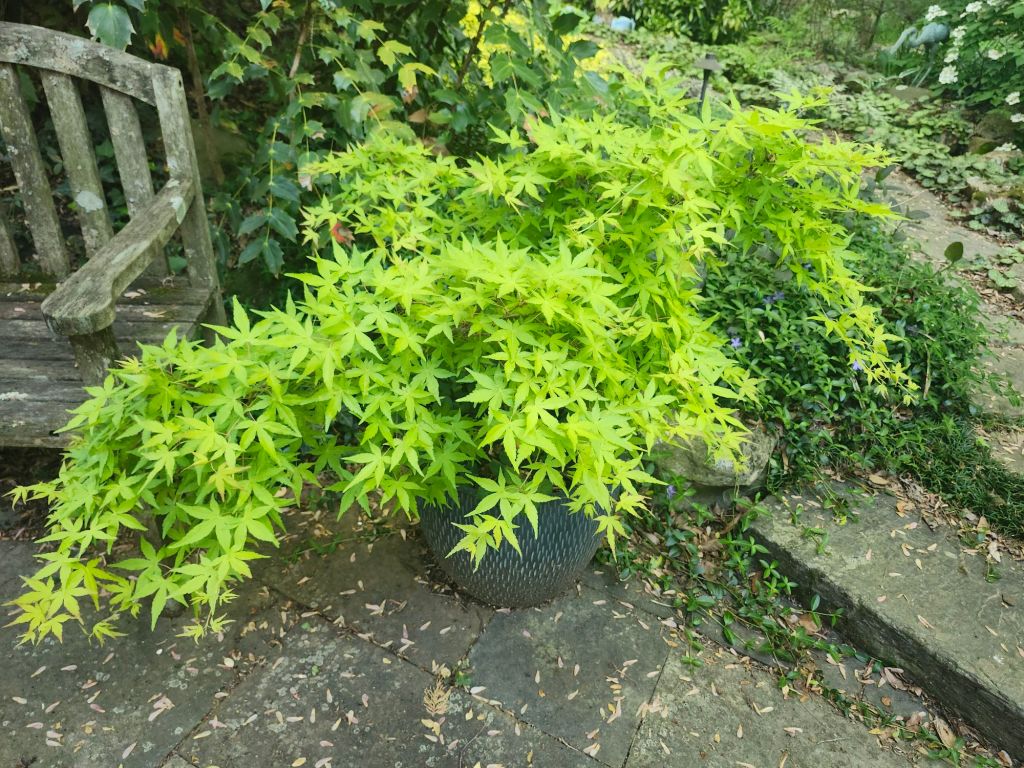
In recent years, I’ve added a few maples in containers that sit on the patios, but someday these will need a home in the ground. In autumn, I purchased a group of small, grafted maples that were heavily discounted to grow in my small nursery area. I have no clue what I’ll do with these. It seemed at the moment like a good idea, and one was recently gifted to our youngest son. I advised our older son to wait a year for a larger tree.
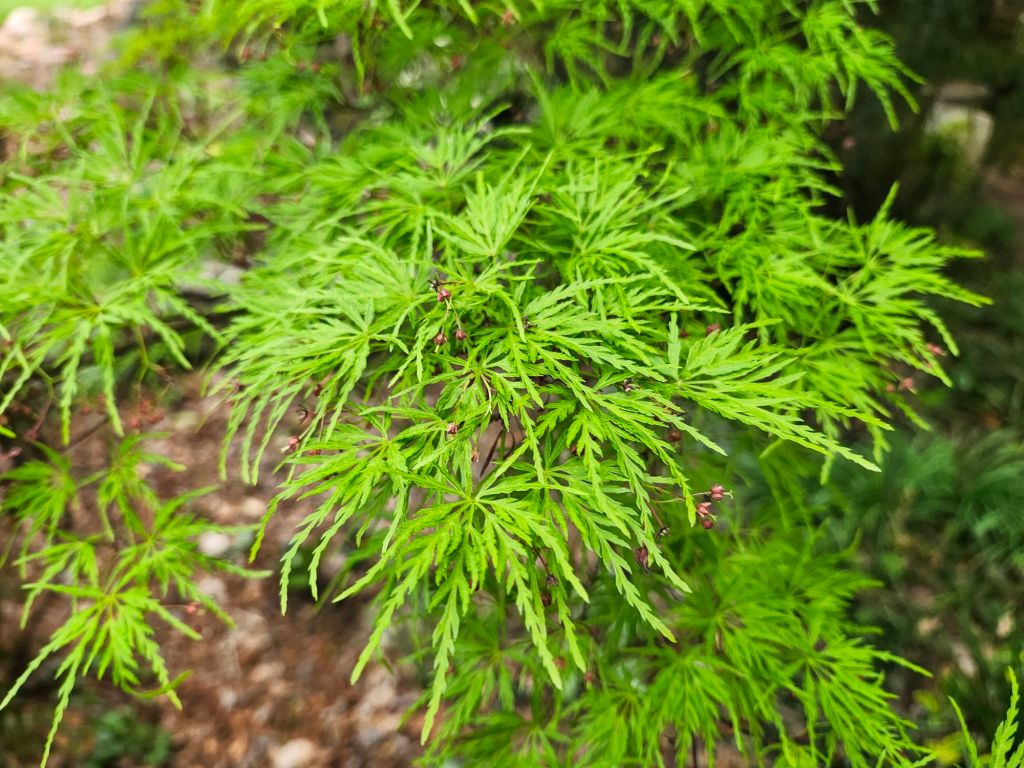
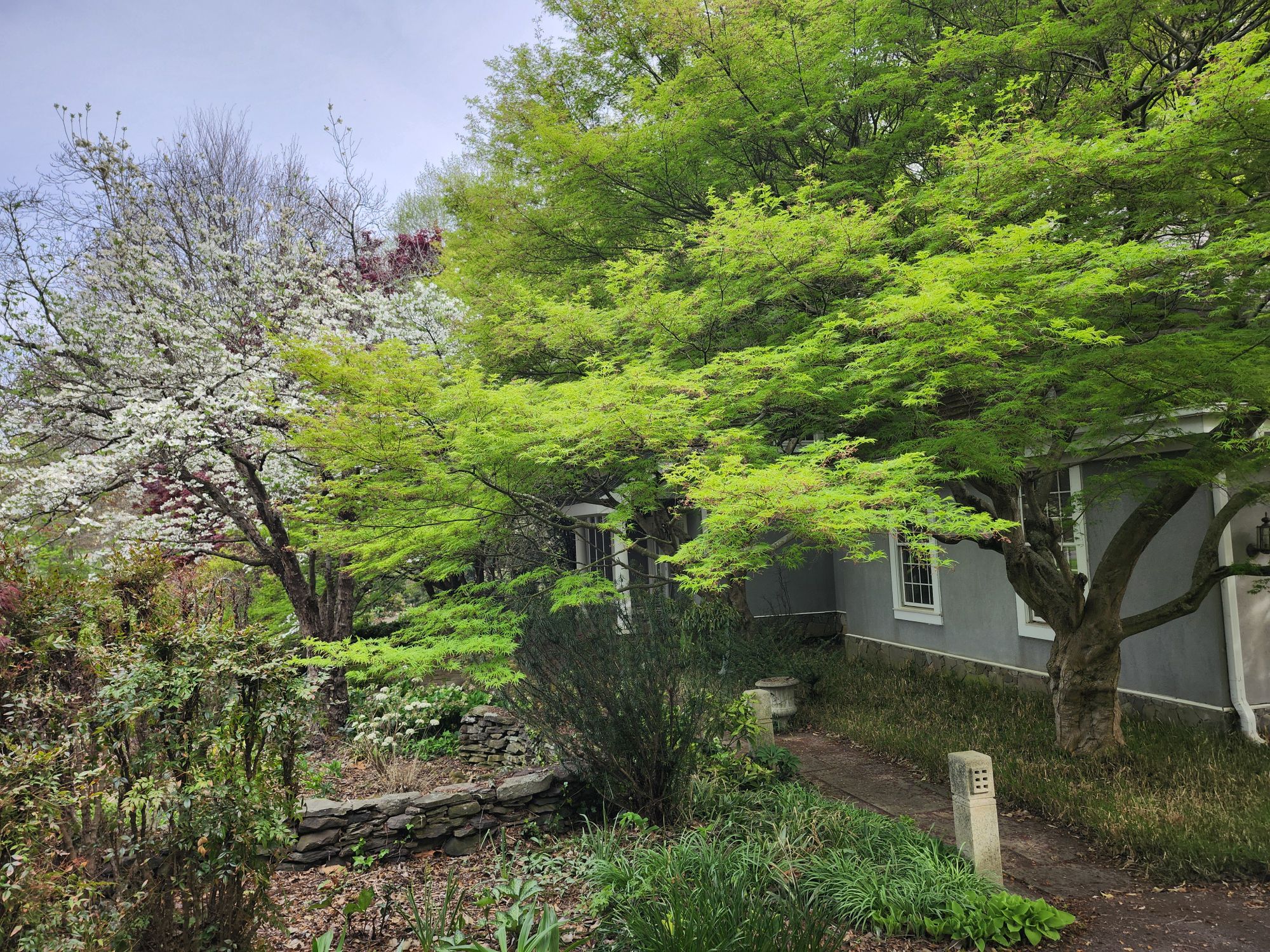
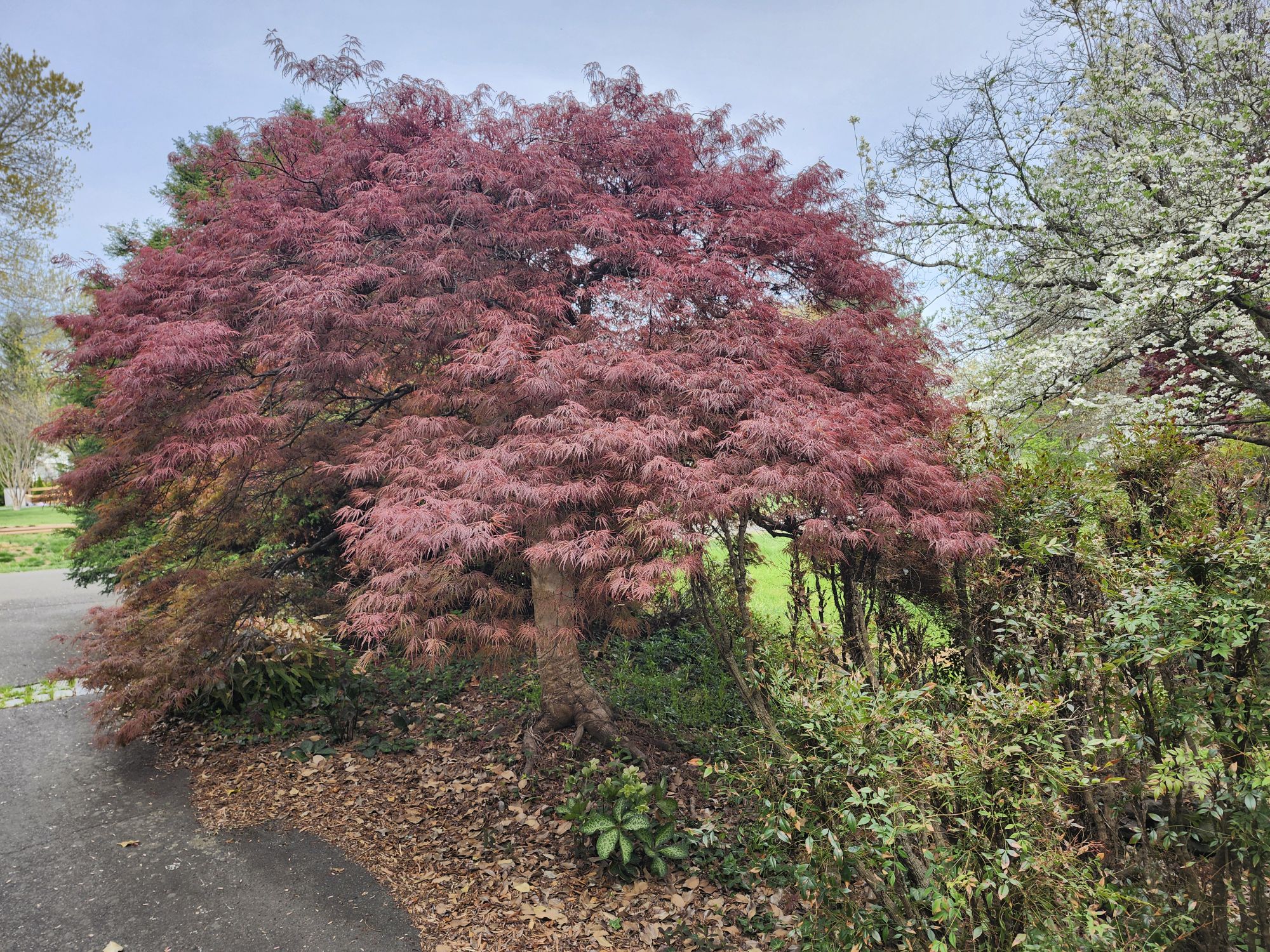
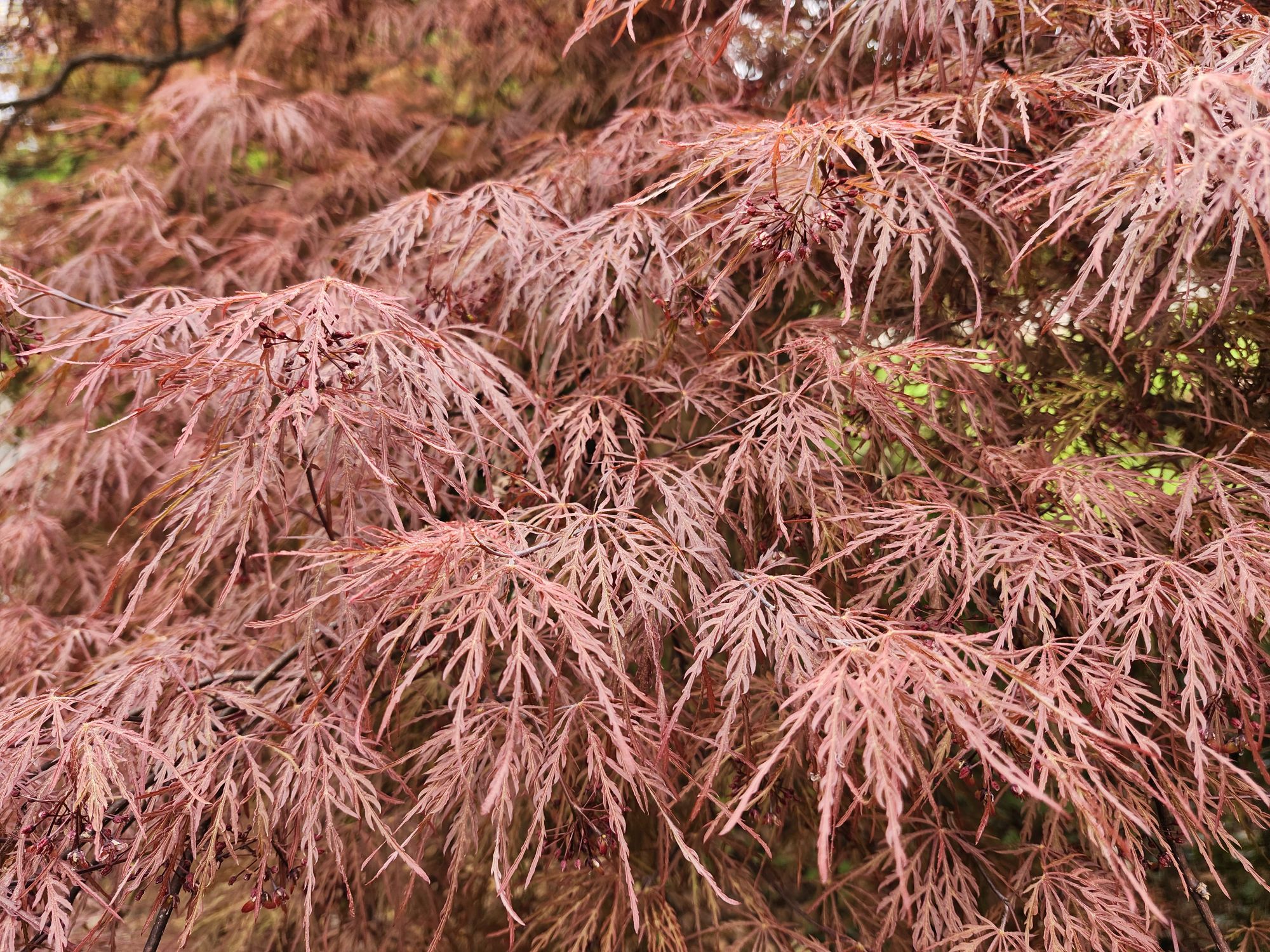
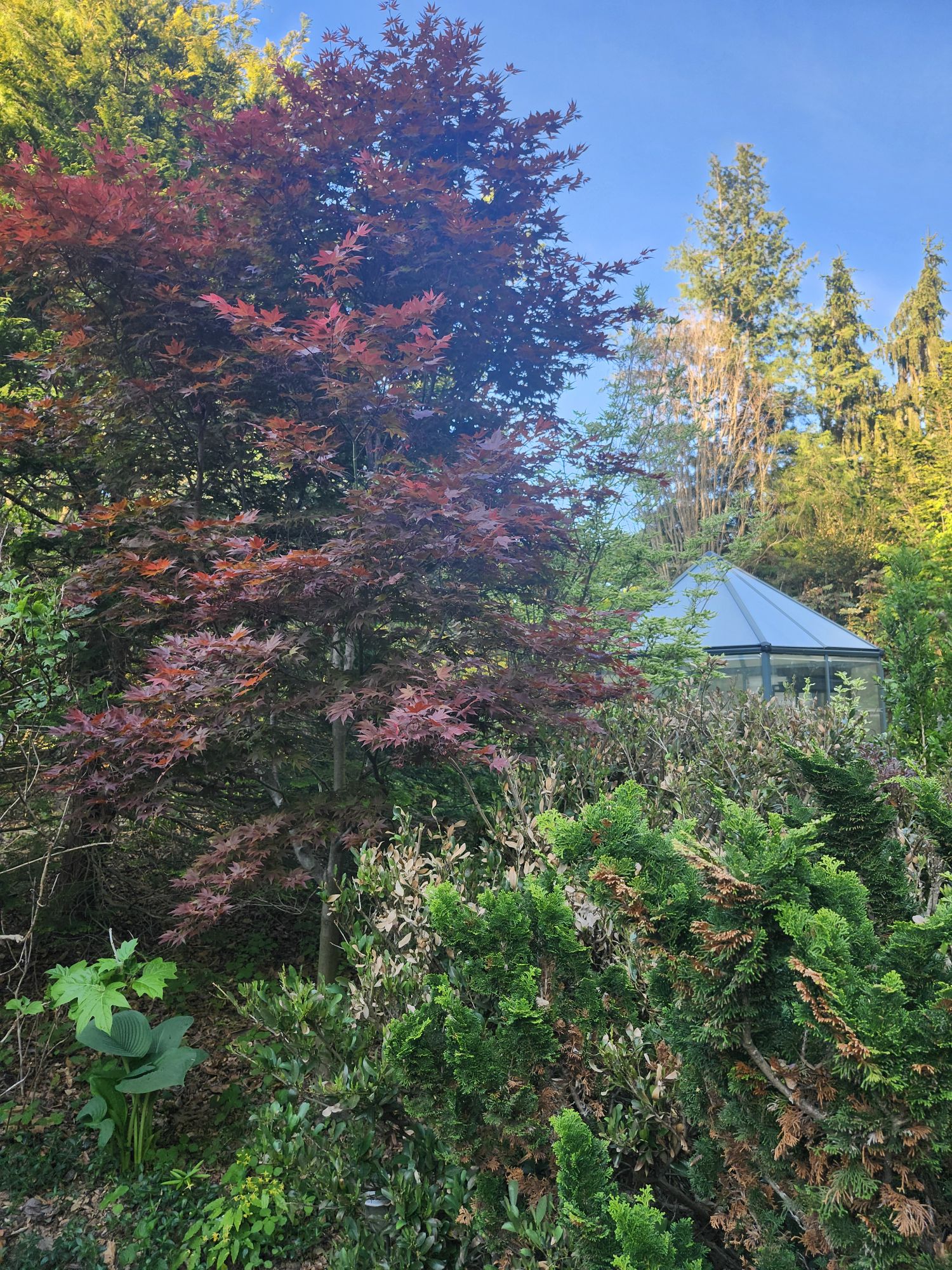
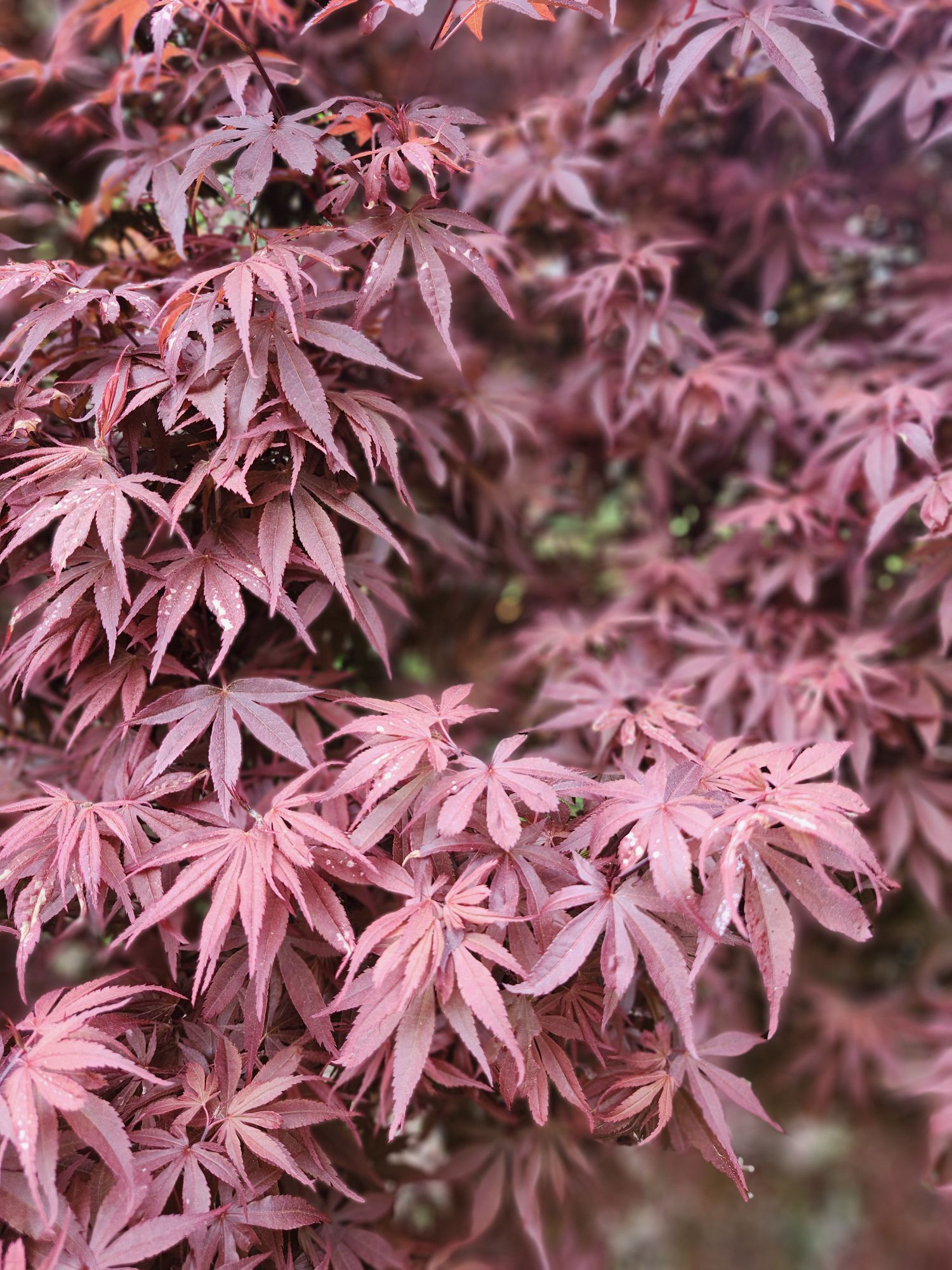
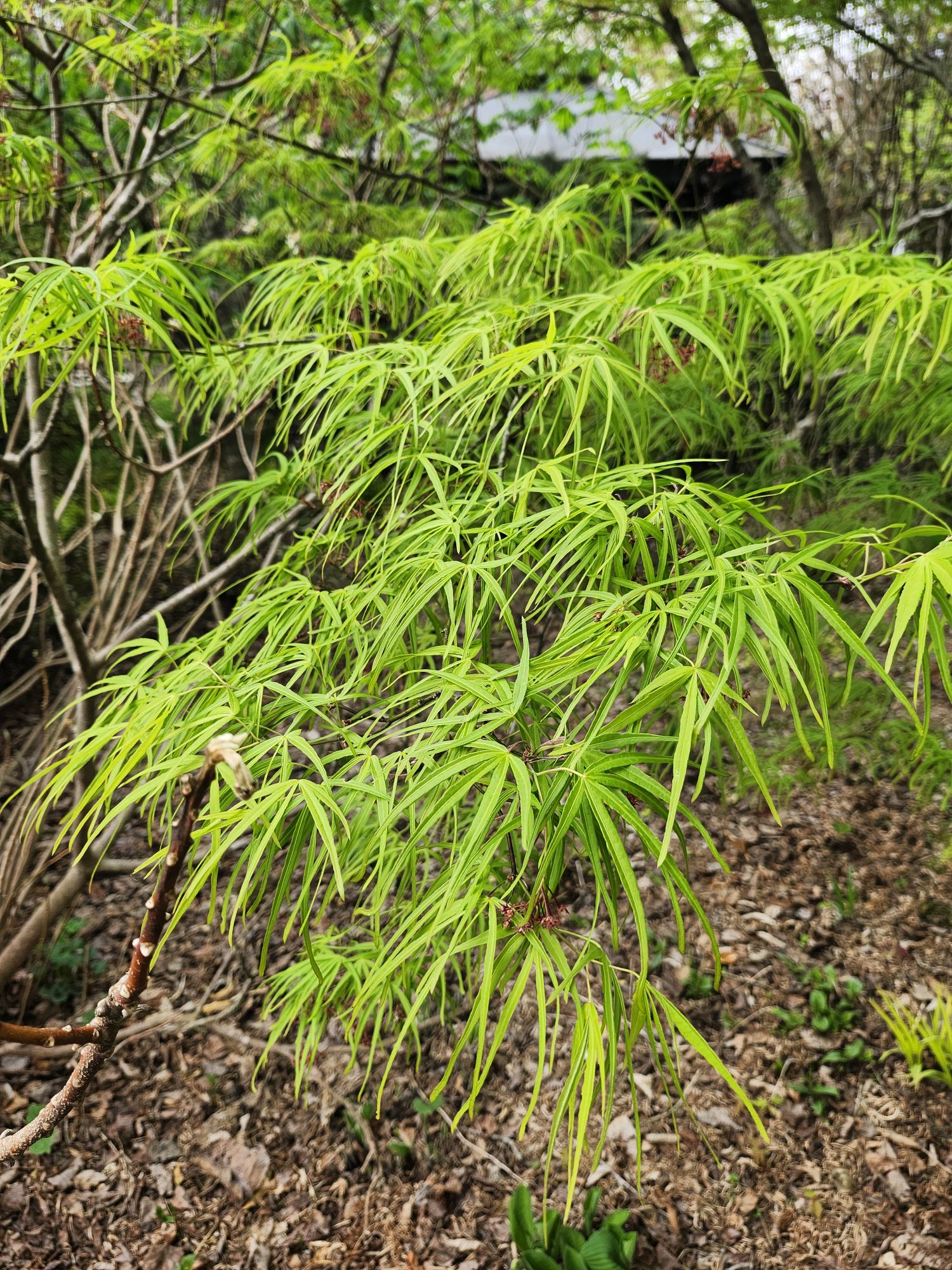
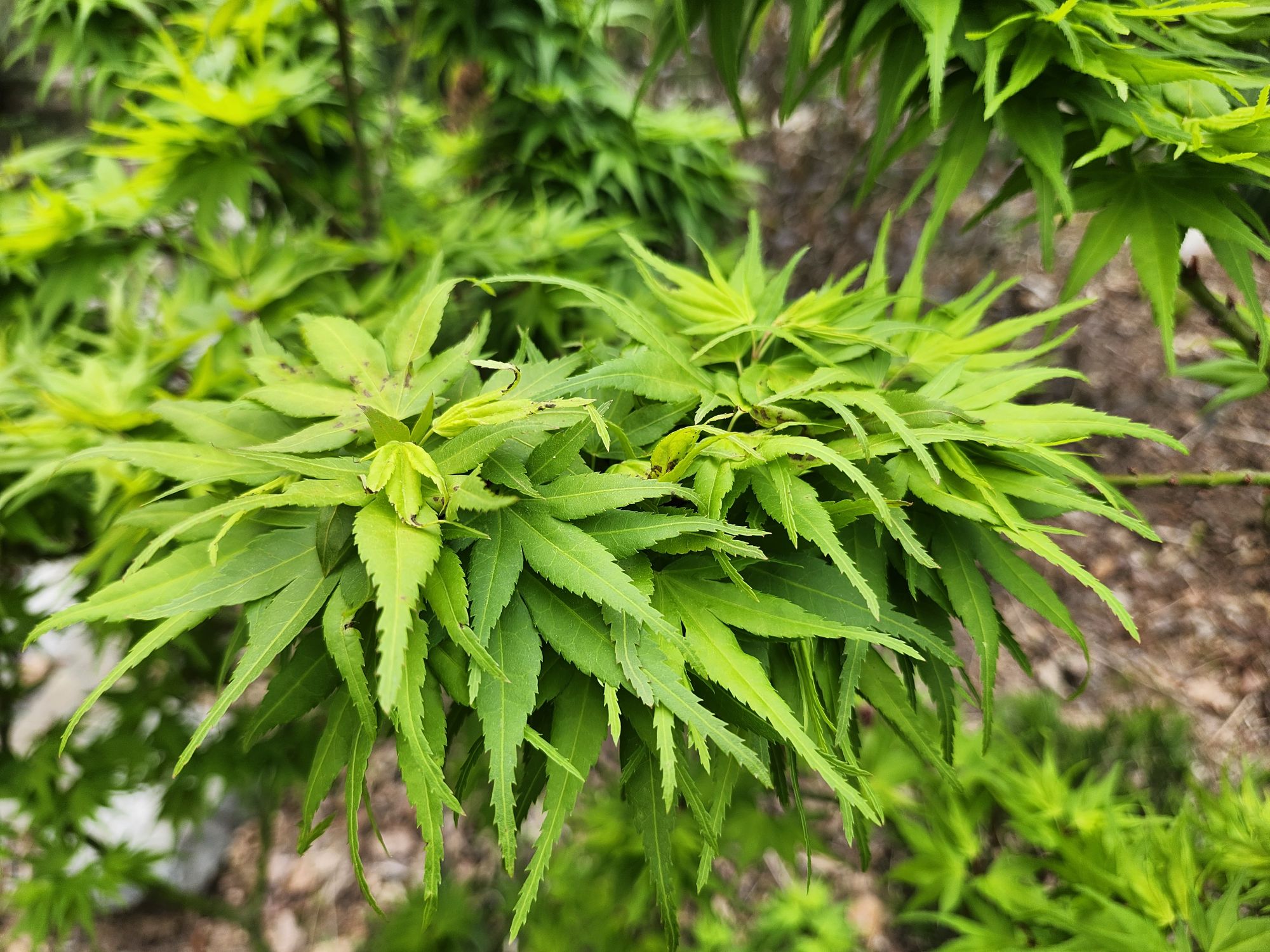
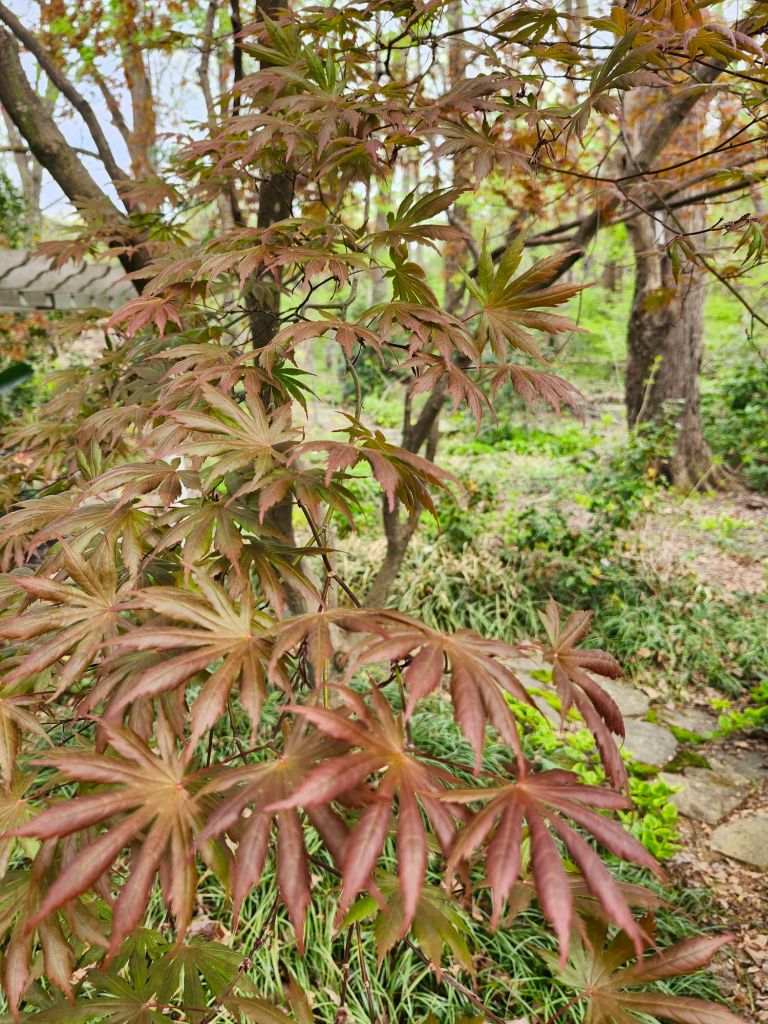
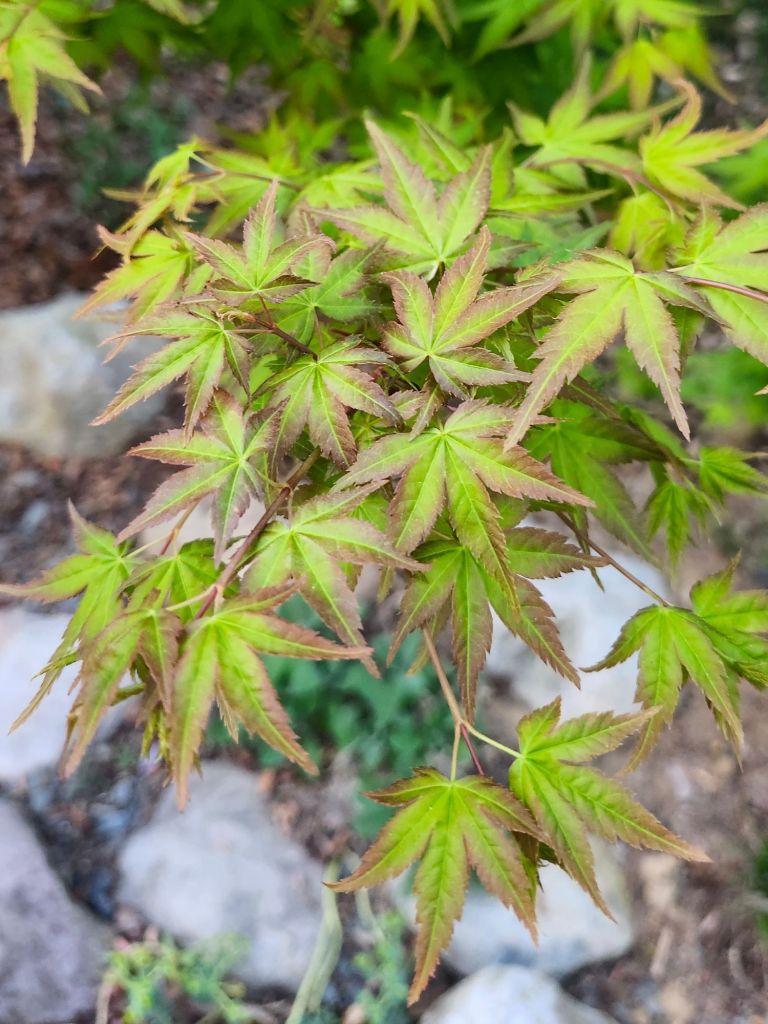
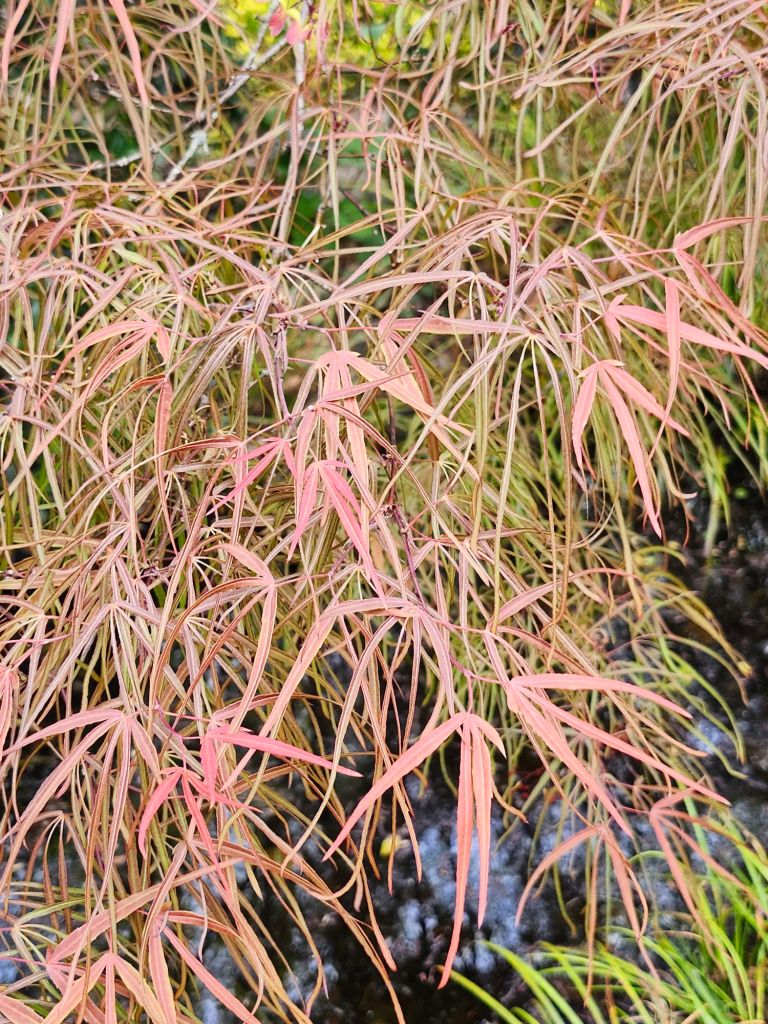
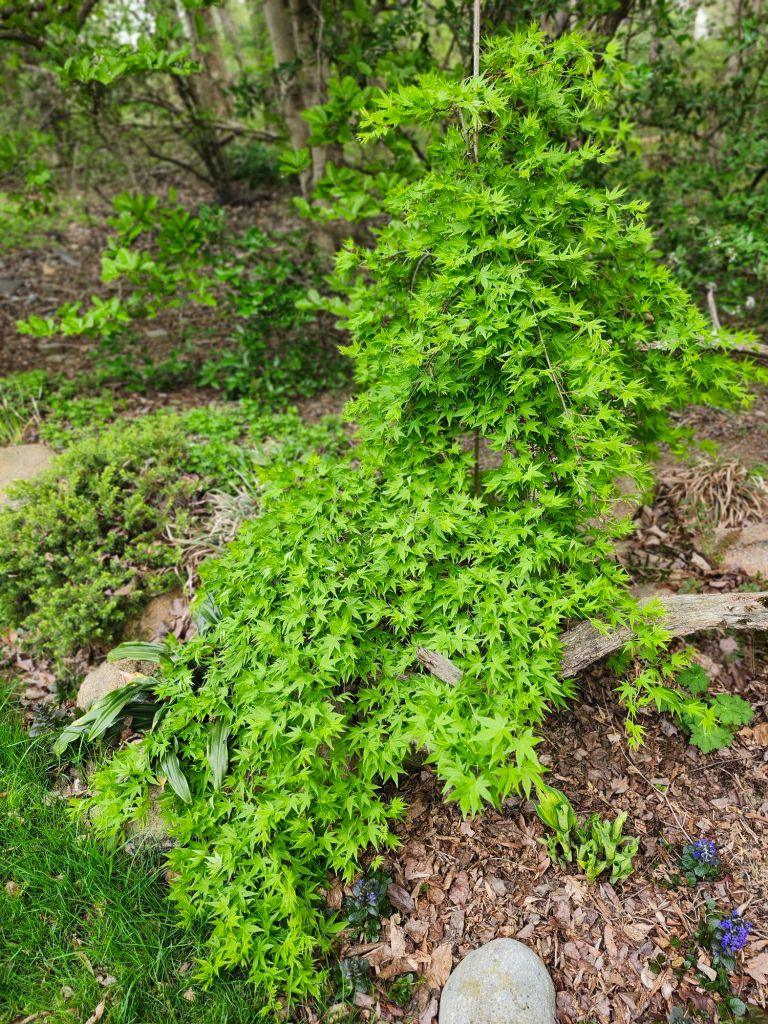
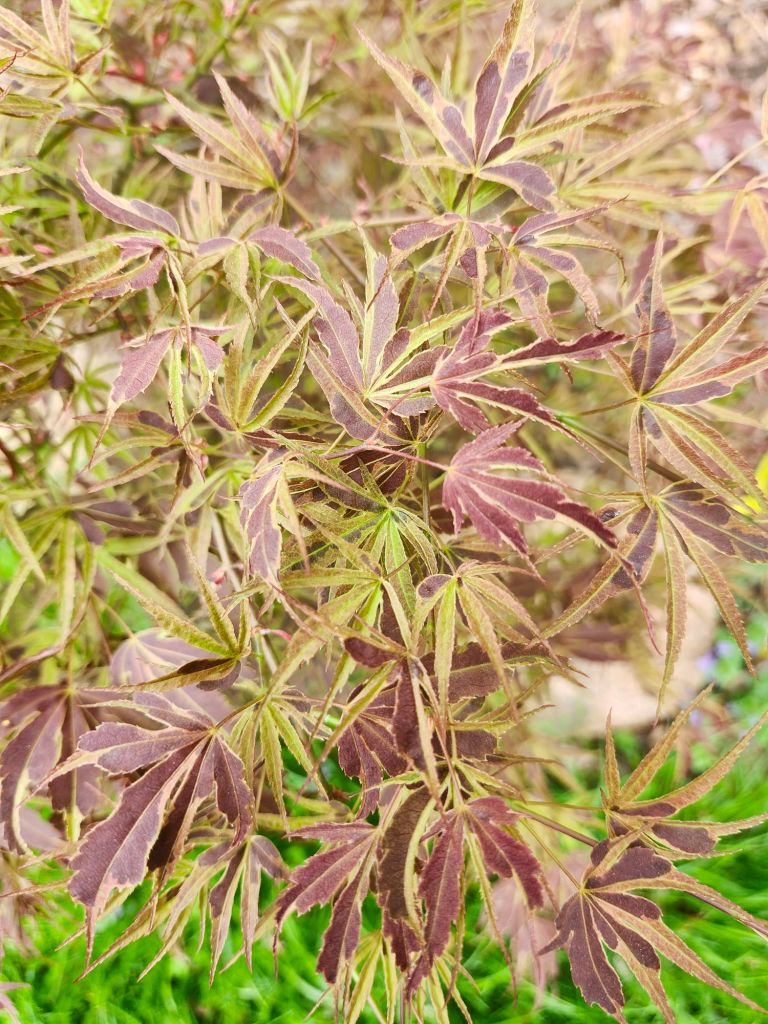
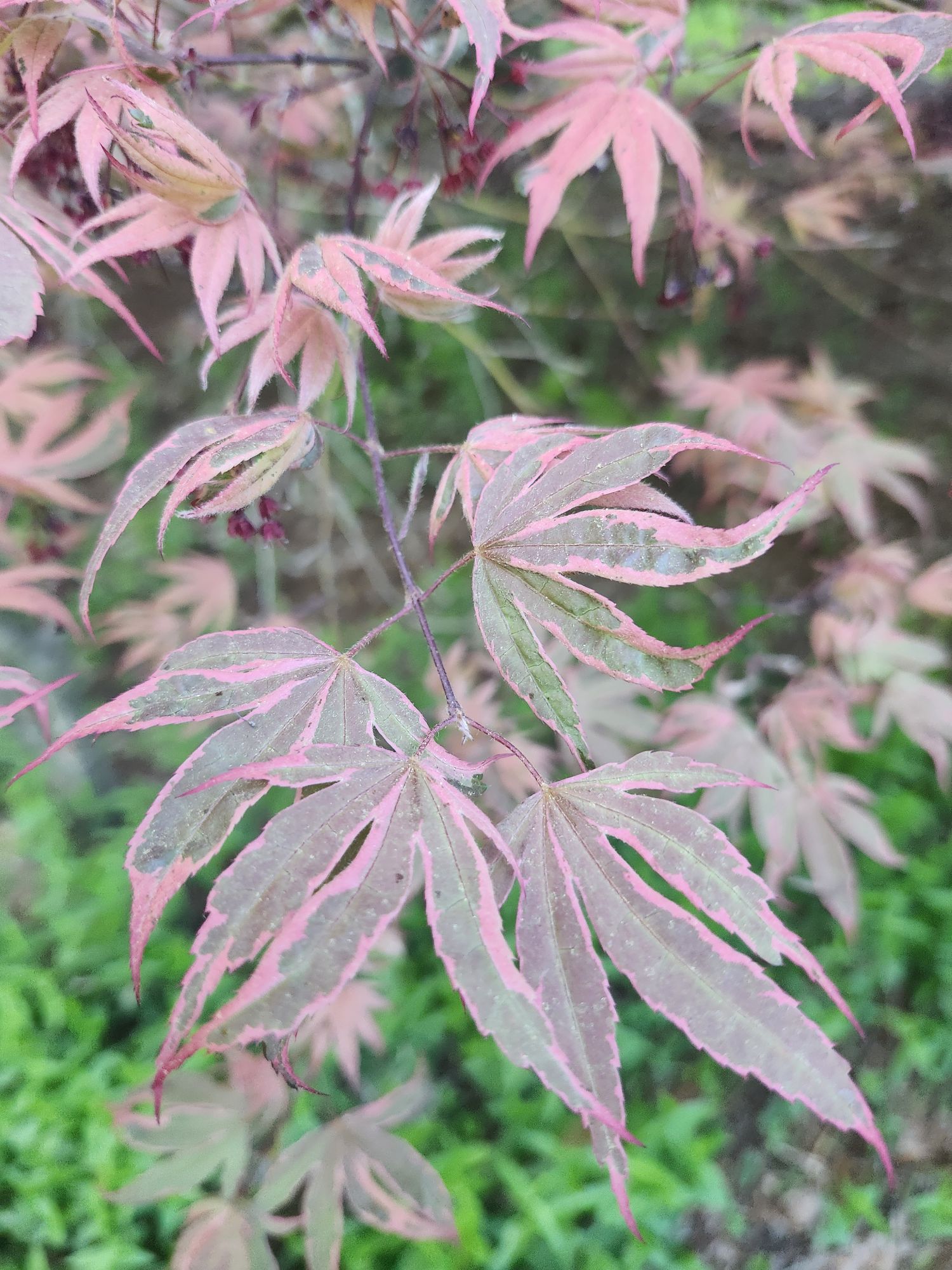
For many collectors of Japanese maples, autumn is their favorite for the marvelous foliage colors, but in the early weeks when leaves have newly emerged, the colors are most vibrant. By mid-June, colors begin to fade in the summer heat, so today is the best time to stroll, stopping at each maple to enjoy.
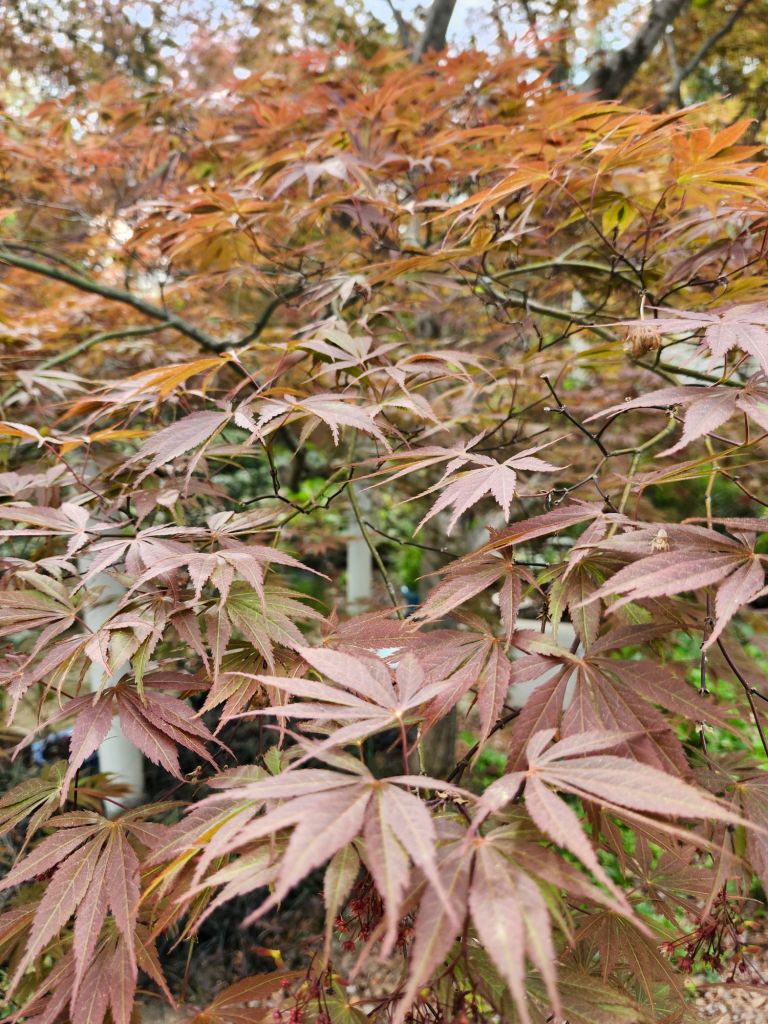
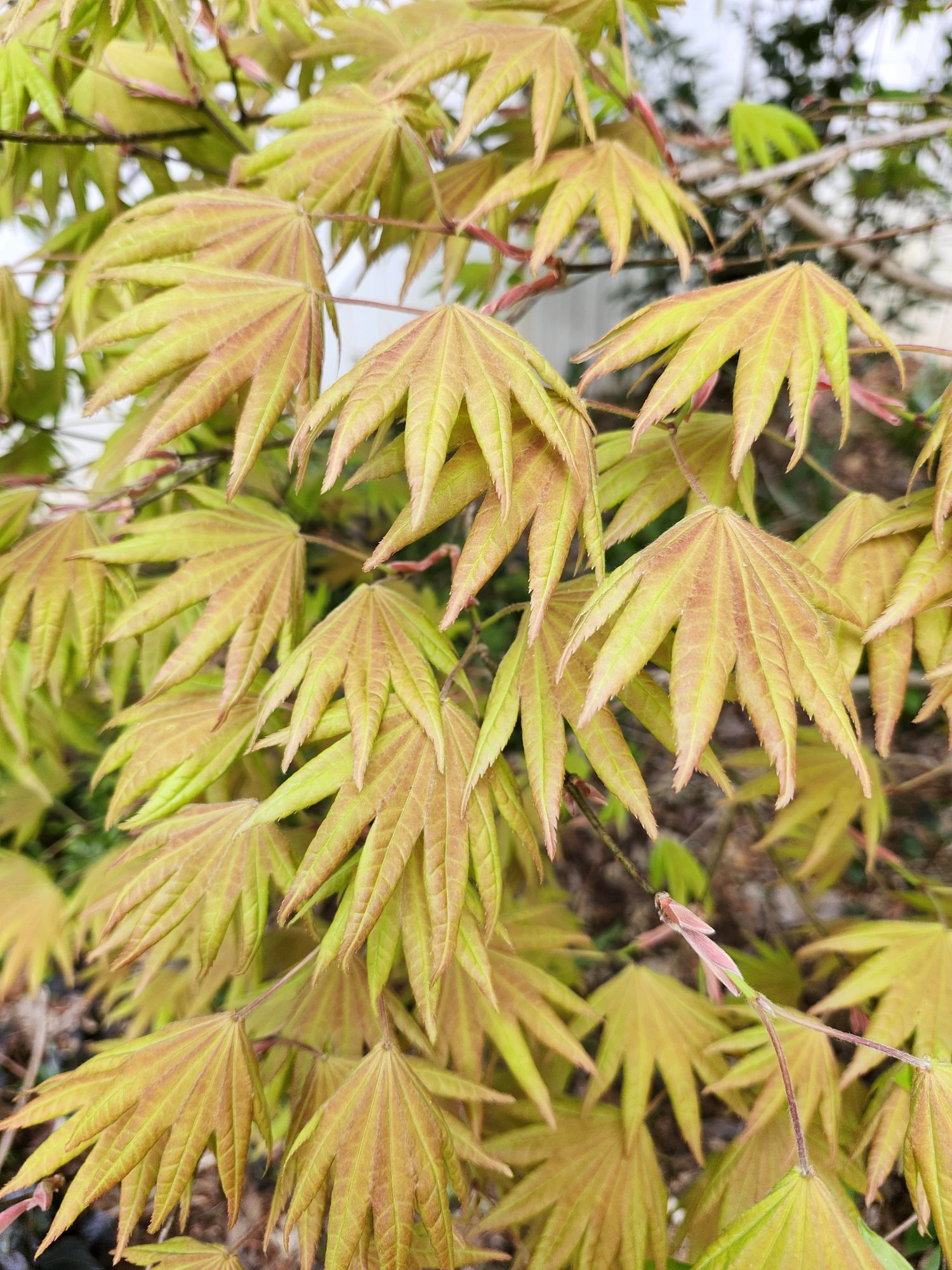
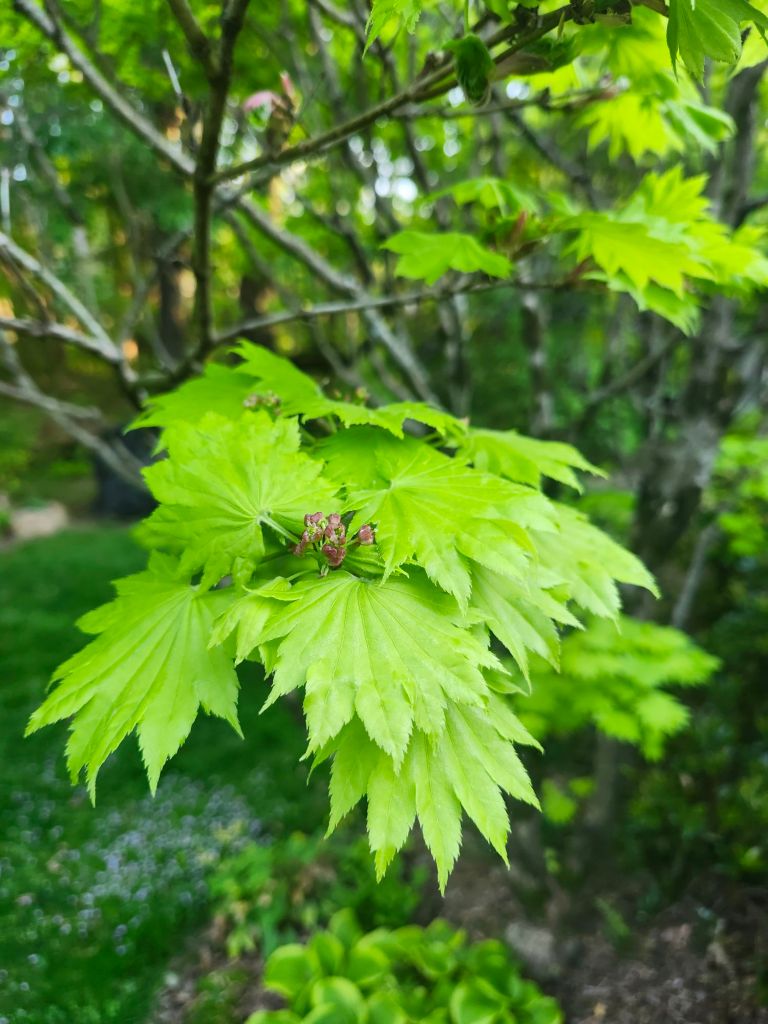
A few maples are not included here because their green leaves are similar to others. Also, and most unfortunately, my favorite Japanese maple from years of traveling to Oregon, two Floating Cloud maples (‘Ukigumo’) have none of the glorious color that prompted my efforts to move the trees to multiple locations, attempting to find an ideal location. Instead, both have become nearly green.
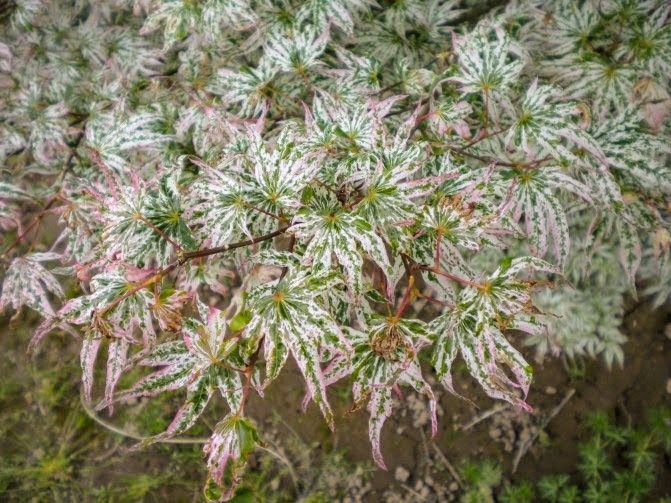
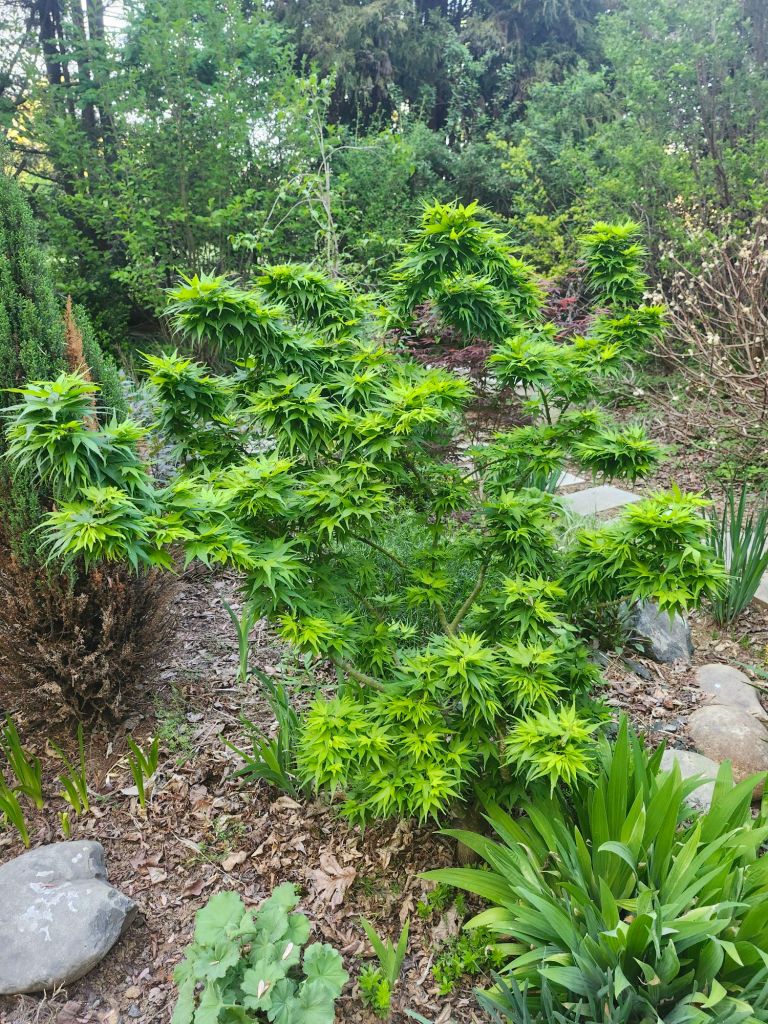
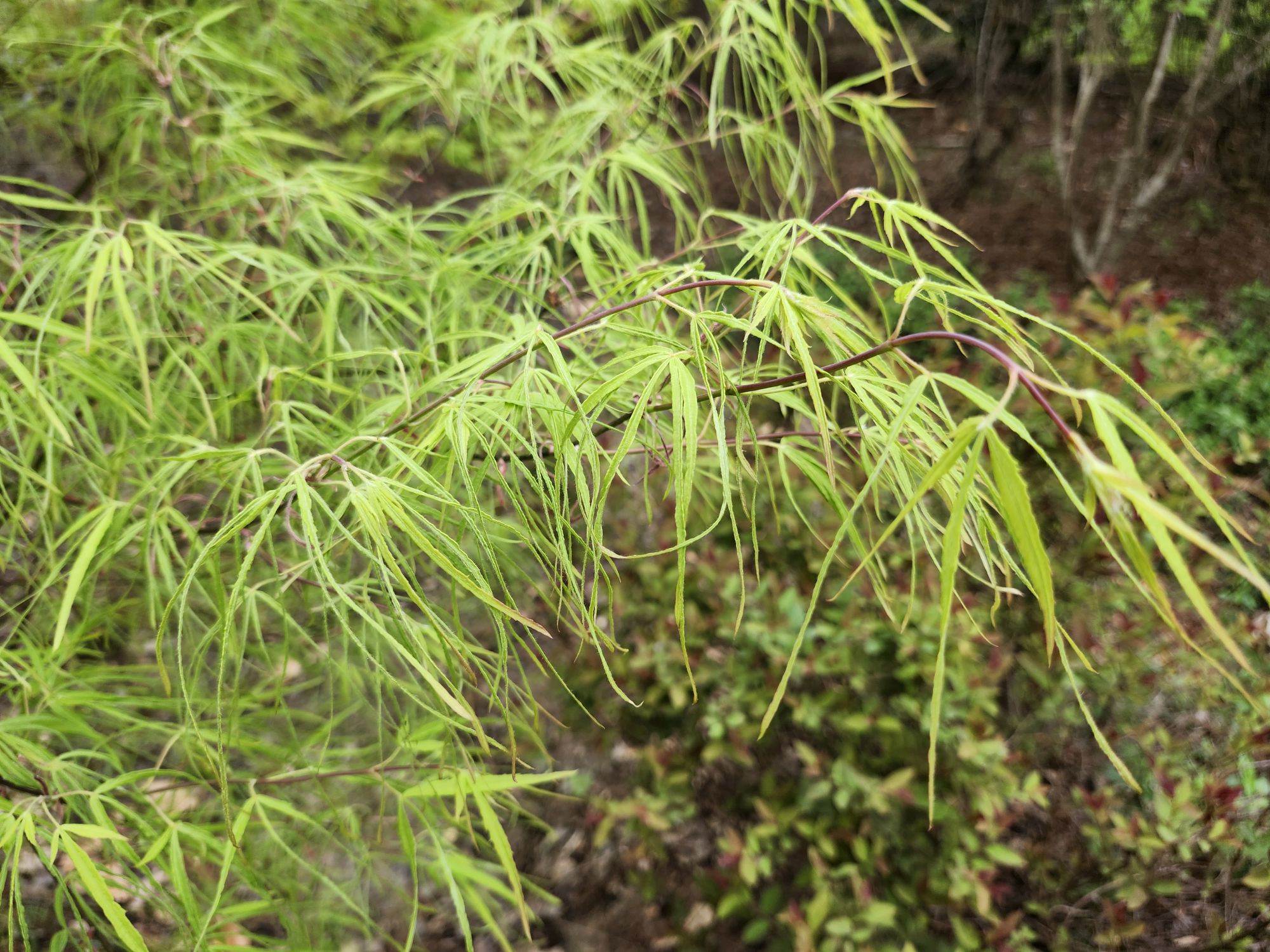
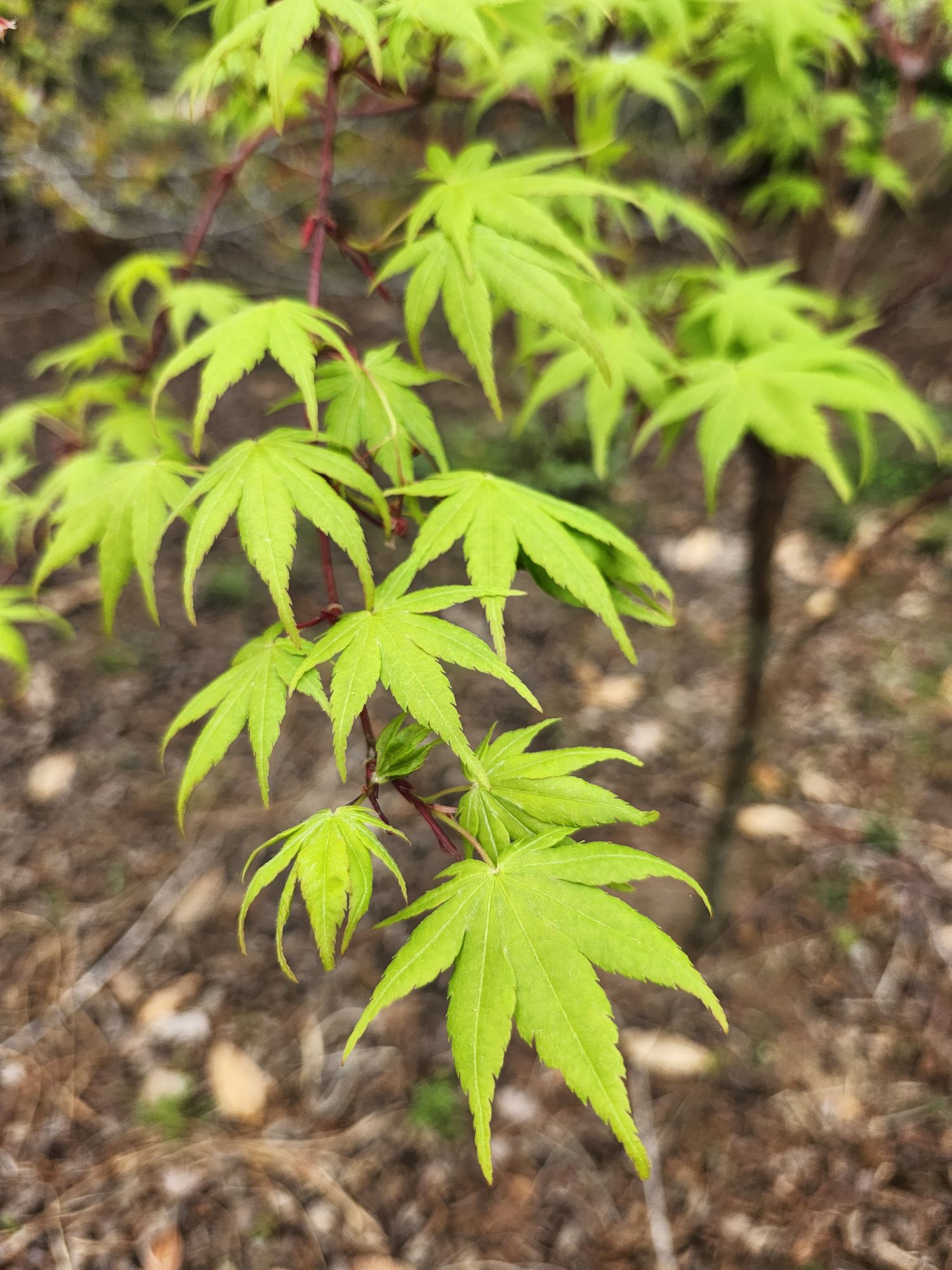
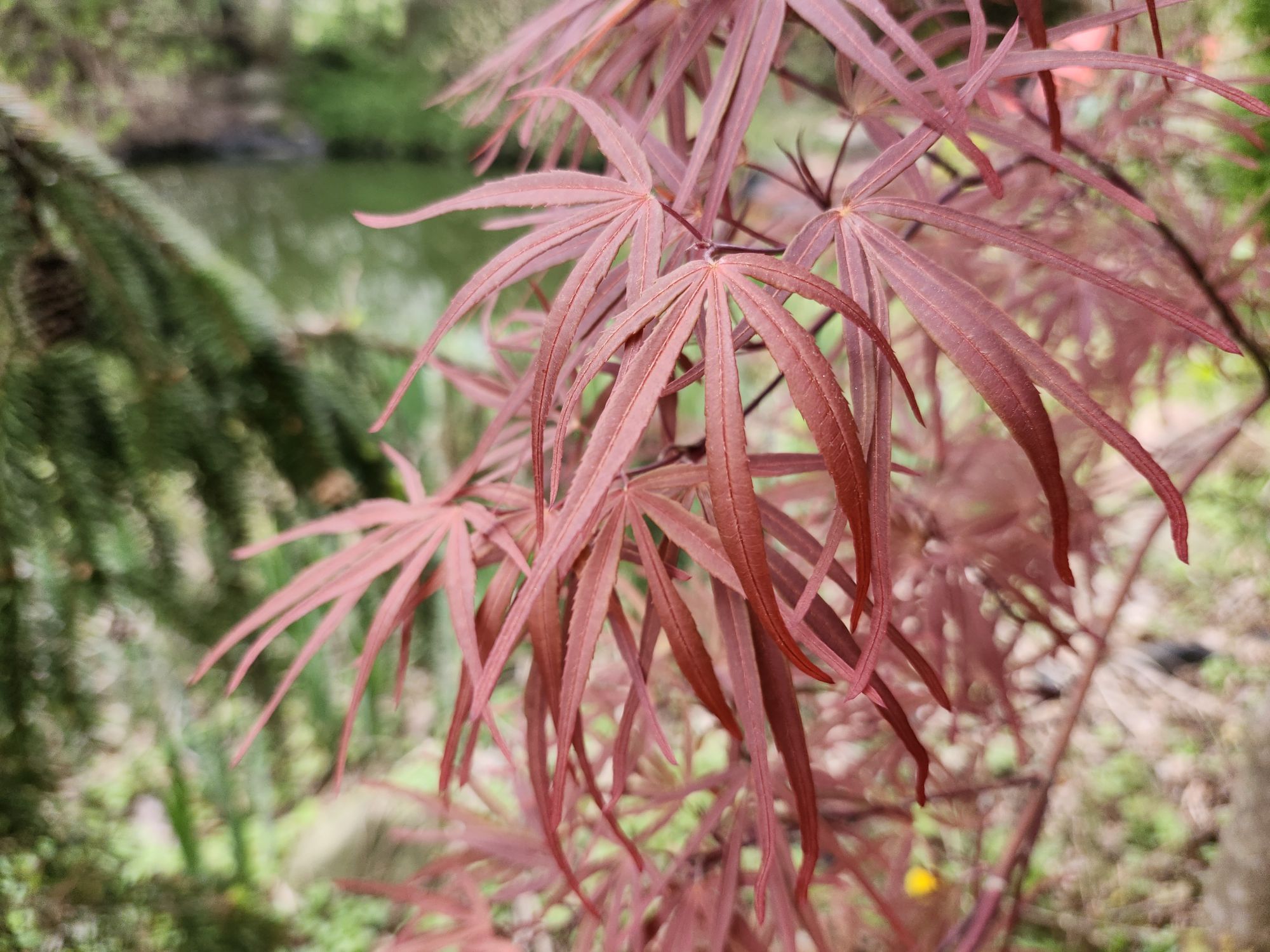


The his article is very helpful. My 10 Ft ukigumo is green rather than white, also, because the nursery that planted it could not fit it through my back gate where I had wanted to plant it, so it was planted in my side yard where it gets sun. I don’t mind, because it has a beautiful shape. My 4 foot Ryusen is too close to my house. I wonder, can I transplant it successfully? I have another attractive maple that I planted too close to my 12 foot Osakazuki. I wonder if I should transplant that second tree so as not to crowd the osakazuki? My problem is, I want more maple trees than I have room for. I also do not plant in containers, because I don’t want to have to put them in the ground in 5 years when I’m in my 70’s!!!
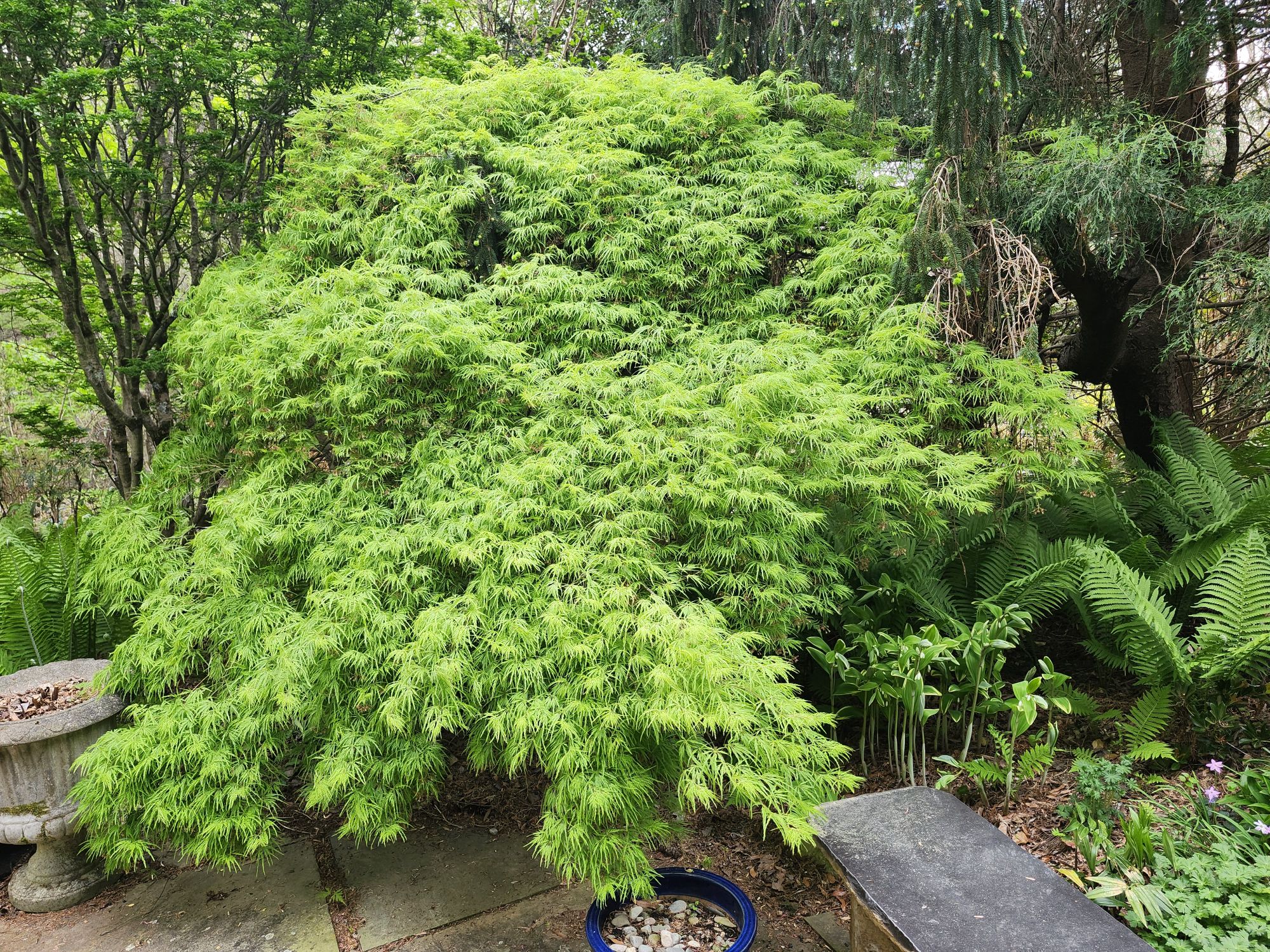
My Ryusen backs to the forest, so it grows only on the side facing the garden. This works for me, but if you want to give it more space it can be transplanted after its foliage drops in autumn and before spring growth. A small tree might be moved in leaf with extra care and very regular watering, but it’s taking a chance. Japanese maples are very tolerant of transplanting, but the weight of a large tree can make this difficult.