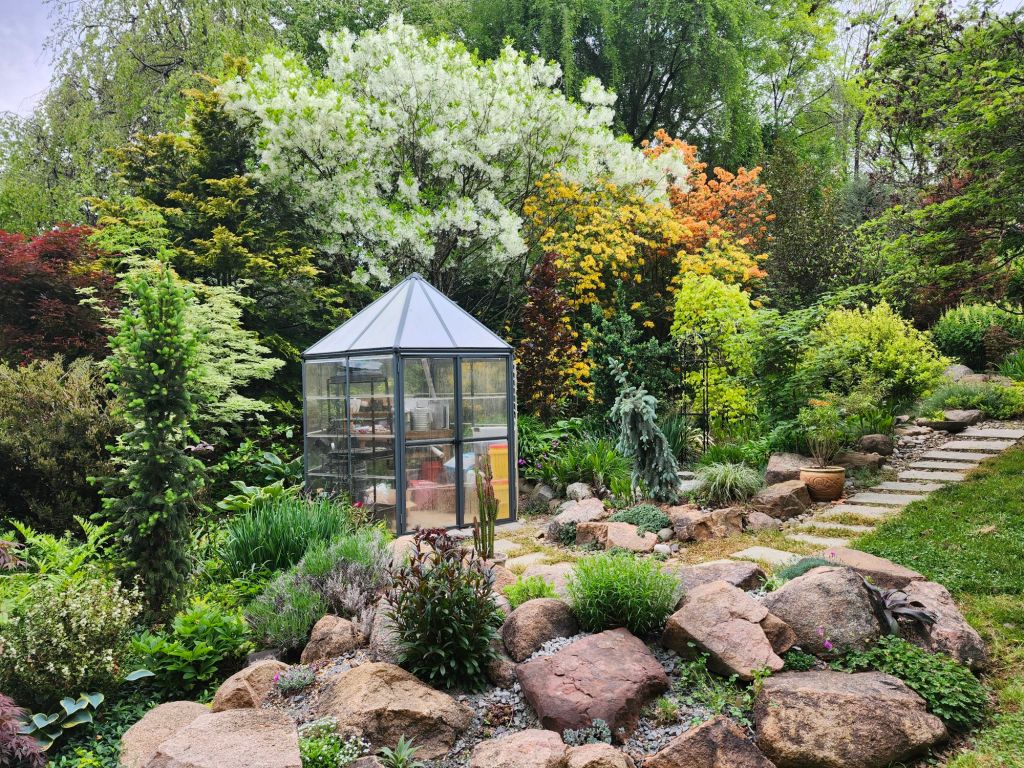
Last week’s ill timed freeze ruined flowers of three Fringetrees (Chionanthus virginicus) in the rear garden and surprisingly one at the front corner that I assumed would be protected by its proximity to the house. The lacy blooms were enjoyed for two days before their demise. There is no way practical way to protect a fringetree or magnolia from freezes, so the gardener must suffer through these occasional minor irritations.
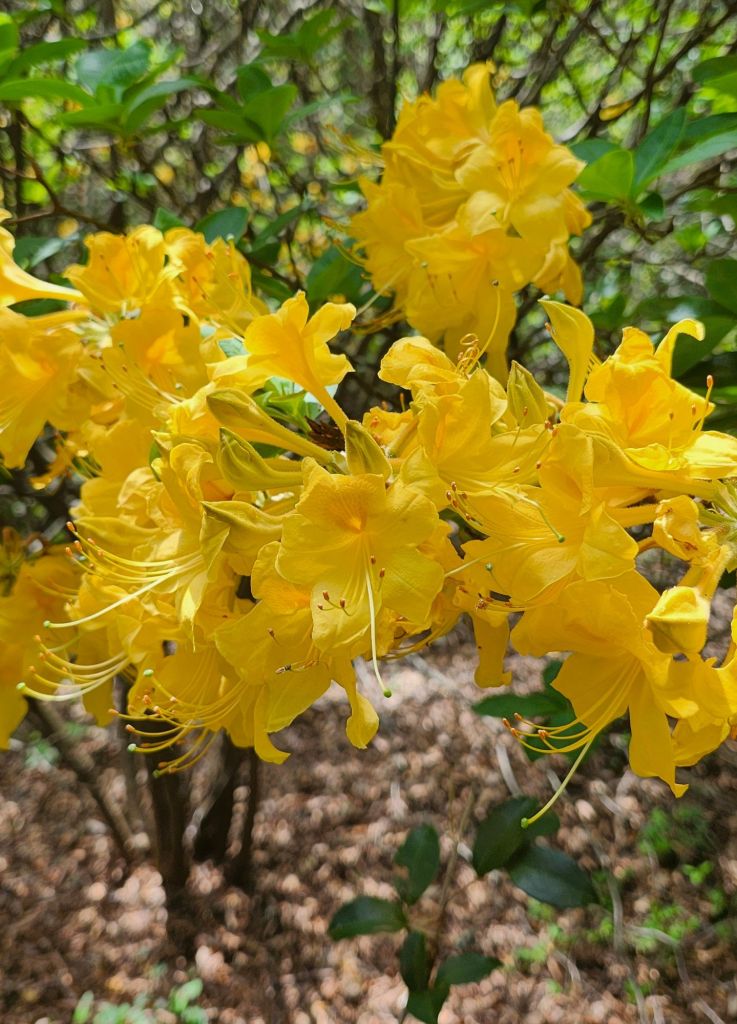
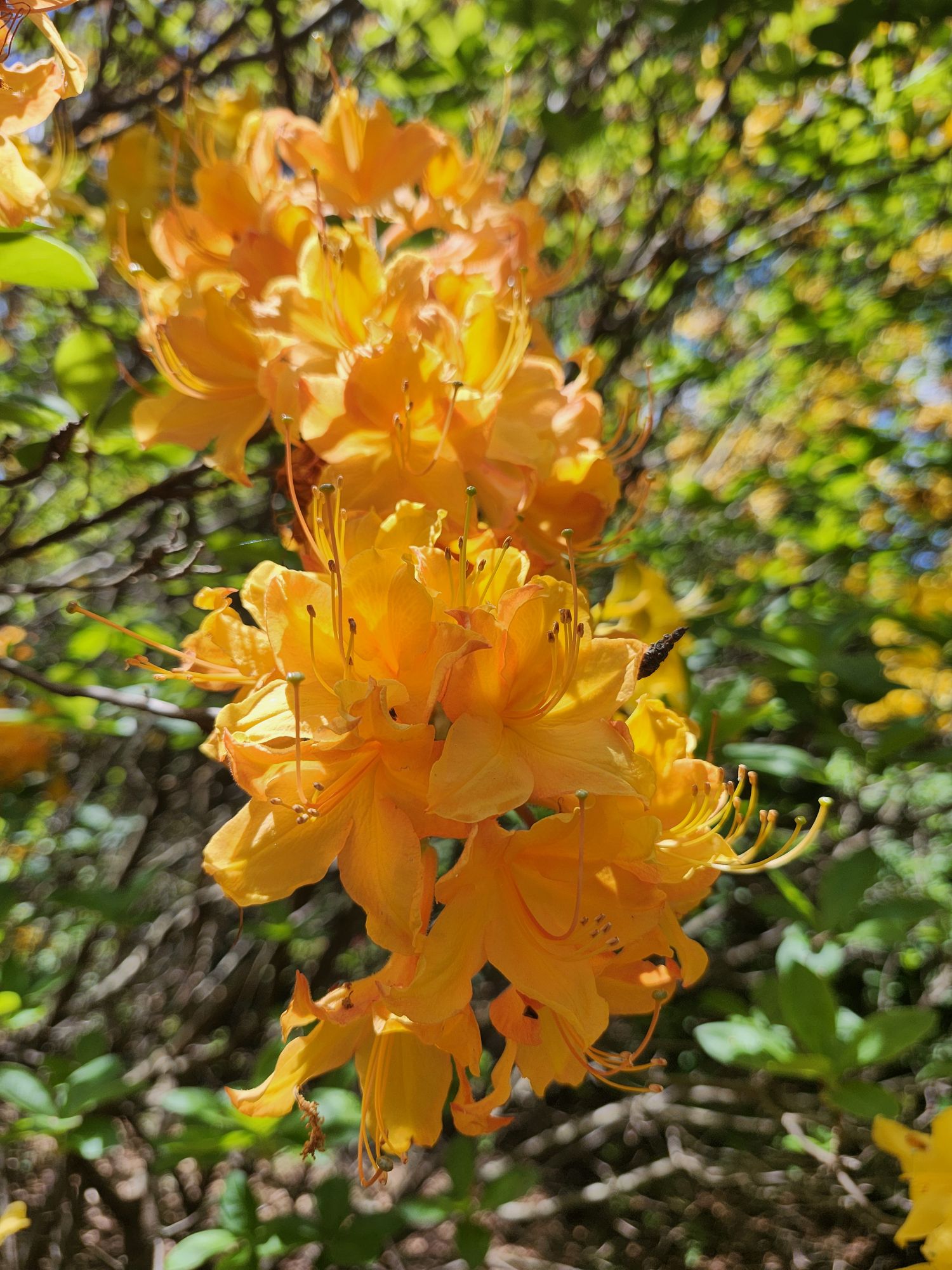
The very tall Exbury azaleas were more fortunate, as their flowers do not open all at once. Today, the glorious, fragrant yellow, orange, and red flowers show through the shrinking traces of brown. I recall the sweet scent, though my once meager sense of smell has diminished further over the years. But, I greatly enjoy the bright colors despite my colorblindness. I prefer the deciduous azaleas rather than the more common evergreens, though there are a number of reblooming Encore types in the garden. Unfortunately, a native Pinxter azalea (Rhododendron periclymenoides) has been lost in the ever expanding colony of Lady ferns (Athyrium filix-femina). I must move it.
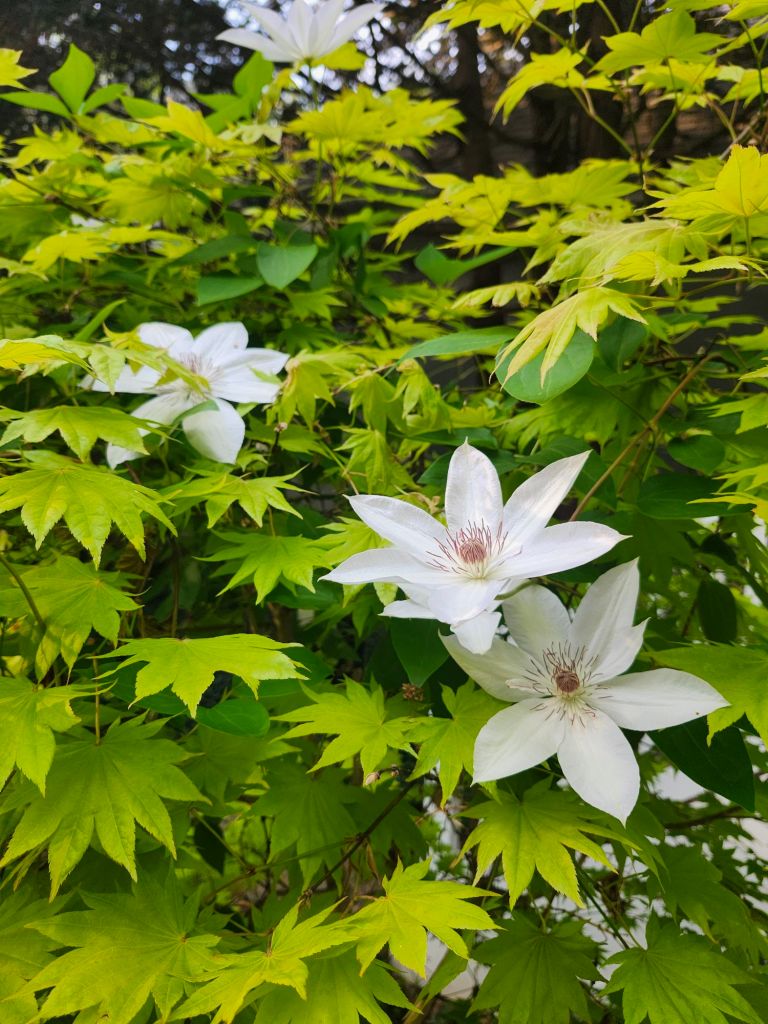
Happily, while a few tips of the ‘Moonrise’ Japanese maple (Acer shirasawanum ‘Moonrise’, above) were damaged, the spoiled leaves are hardly noticed. The white clematis (‘Henryi’) that dominated the leafless maple a few weeks earlier has faded into the background of foliage while the flowers poke through. I’ve considered that the large, purple flowered ‘Jackmanii’ would stand out more against the yellow foliage, and of course it would, but the white bloom is a more subtle beauty.
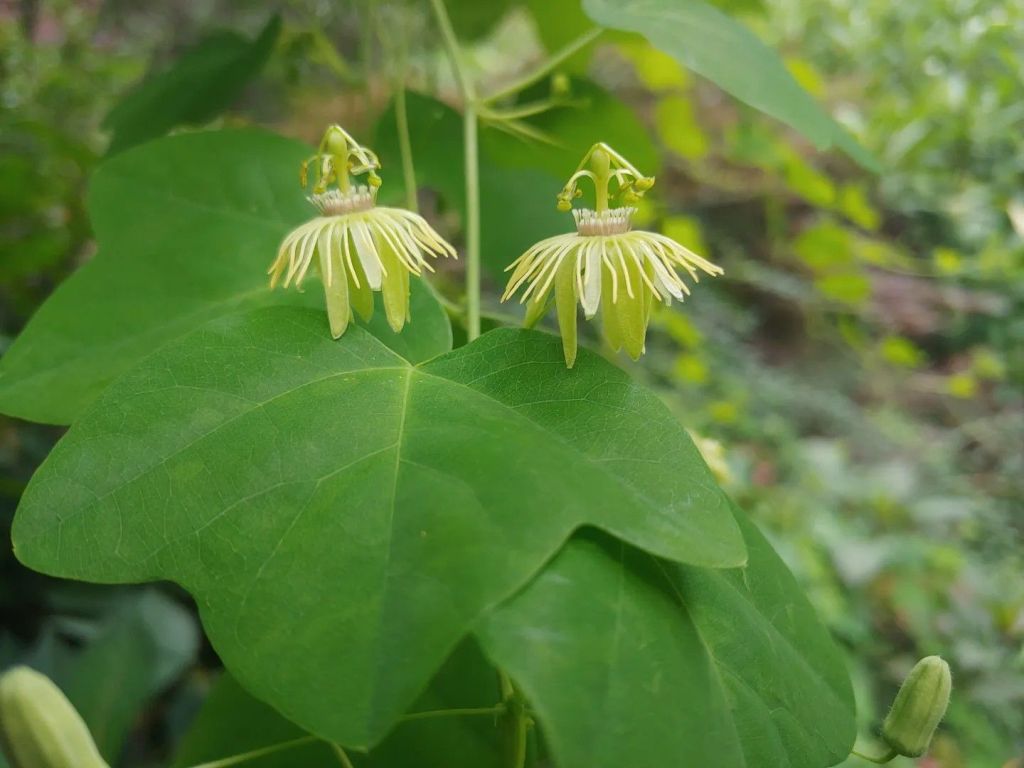
When possible, less aggressive vines can be planted to wind through branches of small trees and shrubs. I do this too infrequently. This spring I planted another of the native, yellow flowered passionflower (Passiflora lutea, above) to climb through something, though at the moment I haven’t a clue where. It will show up eventually, and no doubt it will scramble far wider than expected. Certainly, it will never become a problem since its flowers are small and its foliage sparse compared to vines that might smother their host.
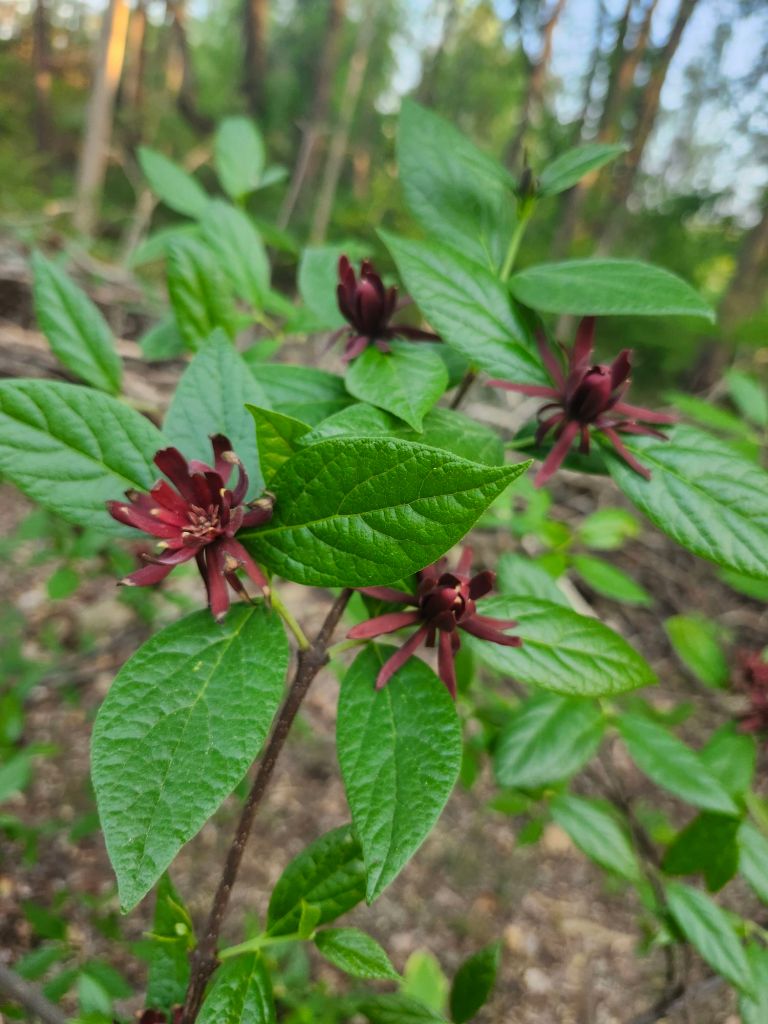
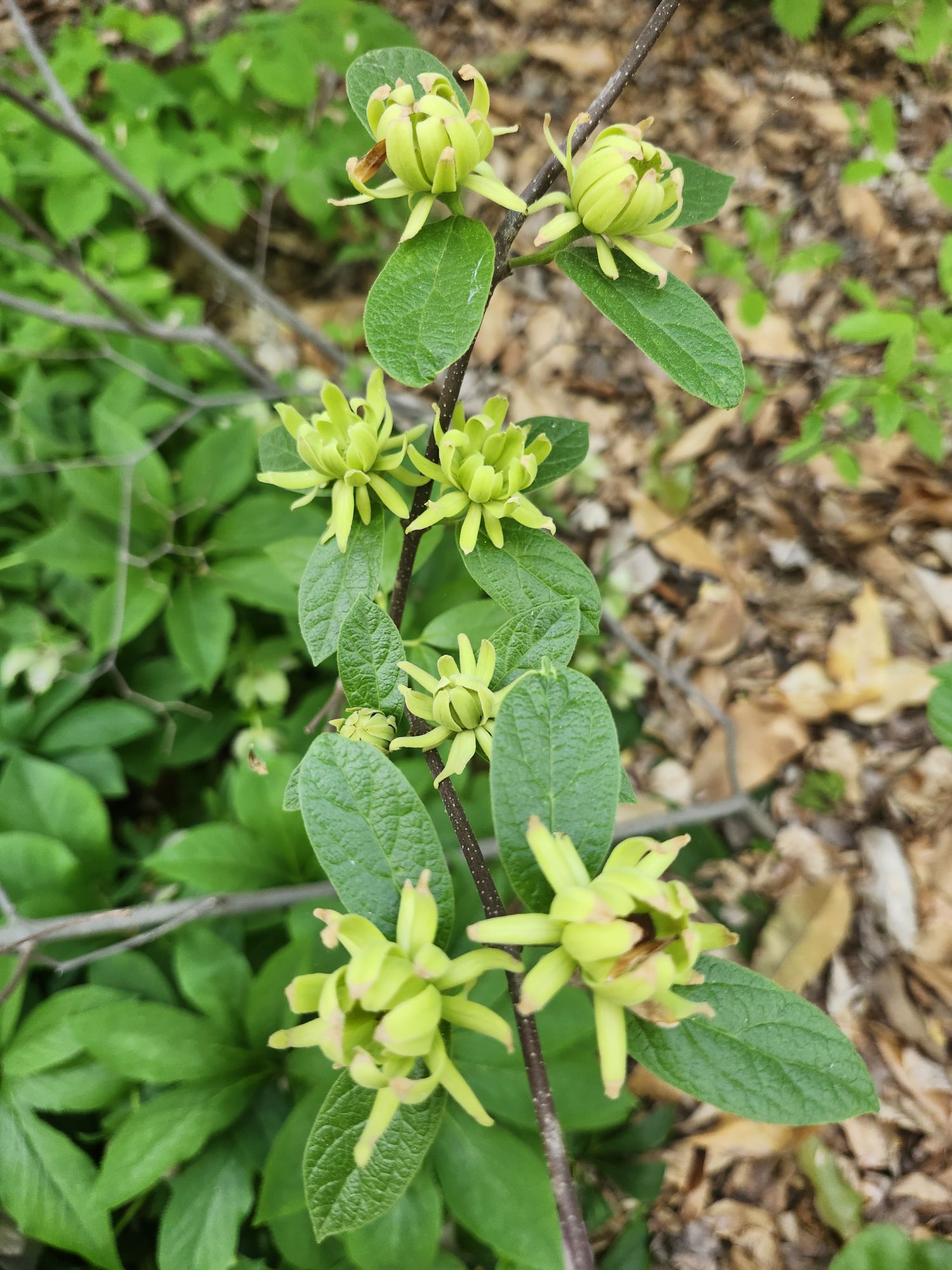
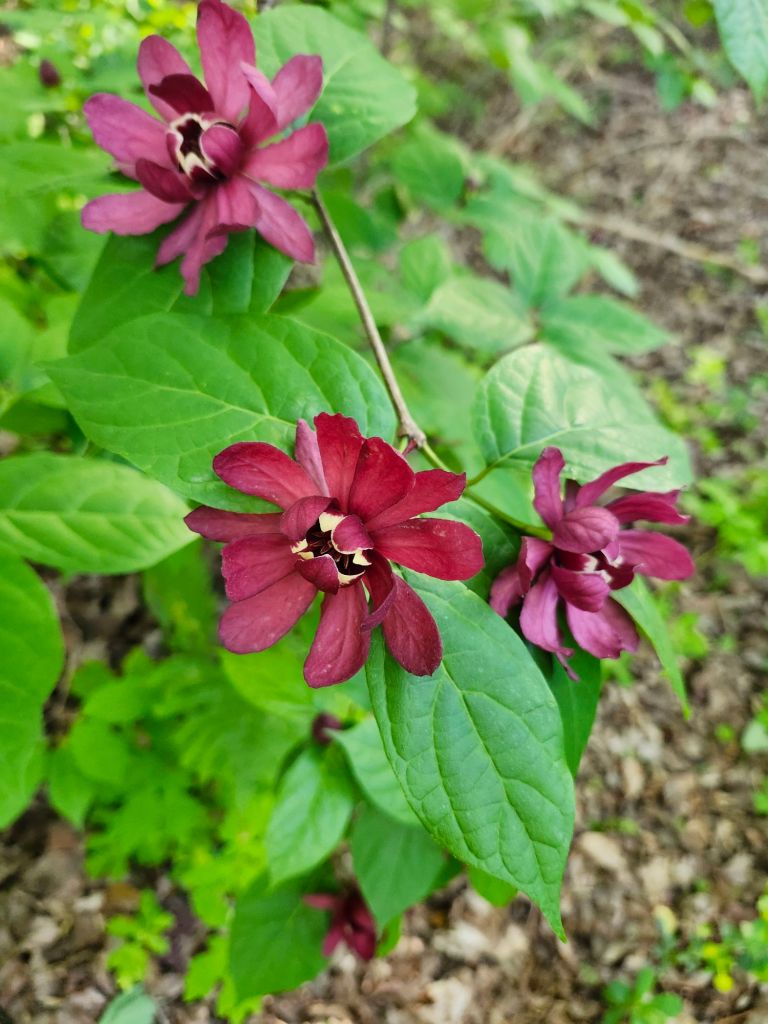
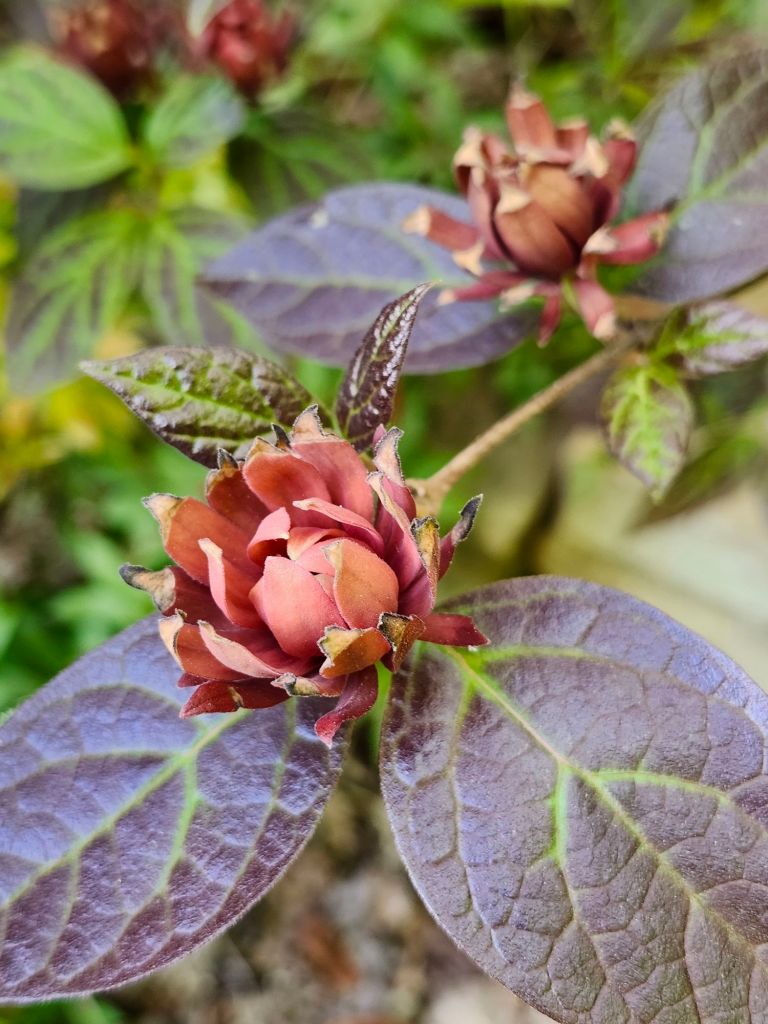
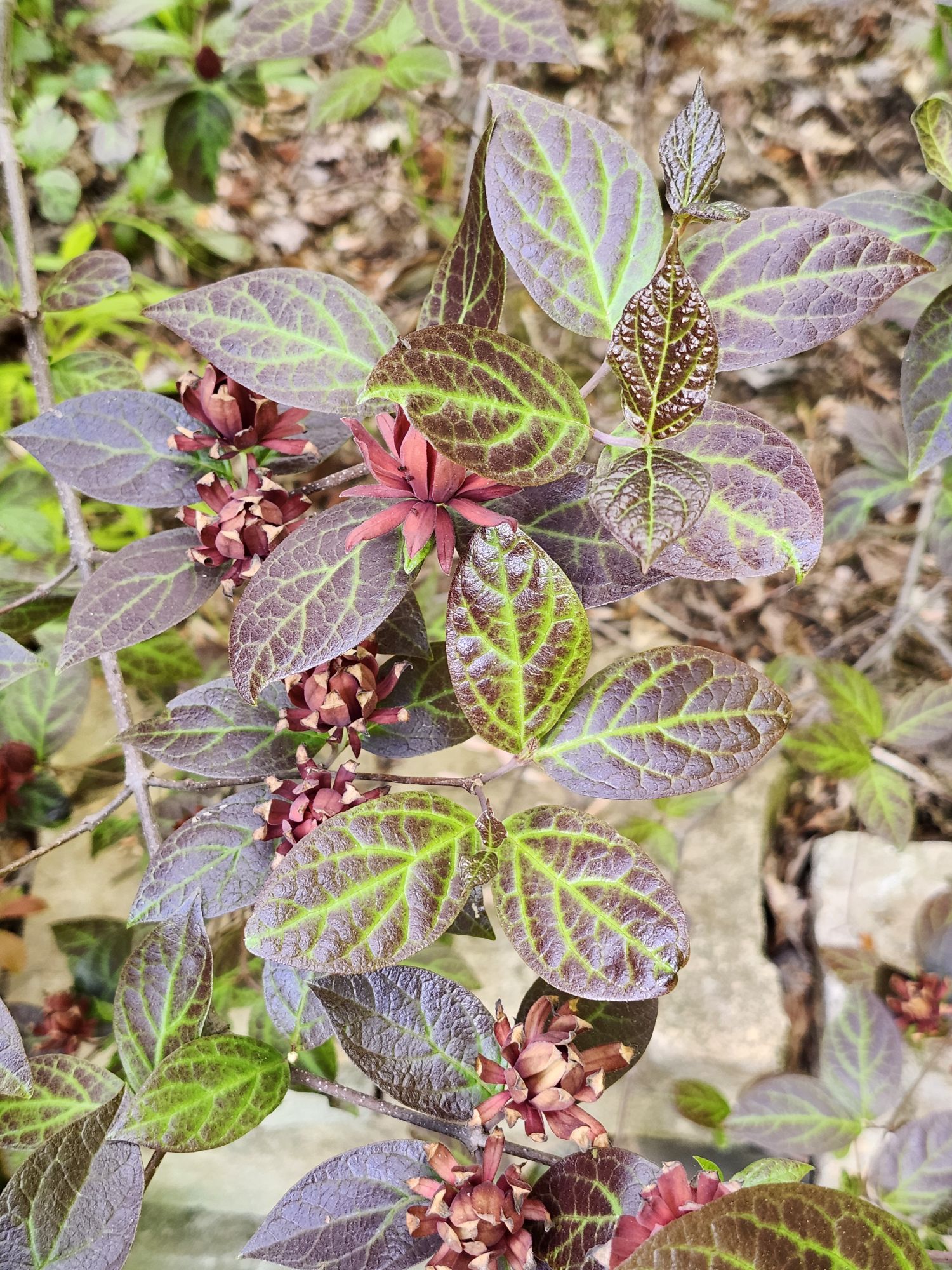
For whatever reason, I long ago took a liking to sweetshrubs (Calycanthus floridus and crosses). I am often inspired to add US natives after seeing them in their natural habitat, but sweetshrubs have not appeared in my wanderings. While flowers of the hybrid ‘Aphrodite’ (above) are larger, none are showy from a distance. Still, this garden could not be without, and the dark leafed ‘Burgundy Spice’ (below) is a treasure even when the flowers blend to be less noticeable. It deserves to be more commonly available.


What splendid Exbury azaleas, as well as Clematis henryi!