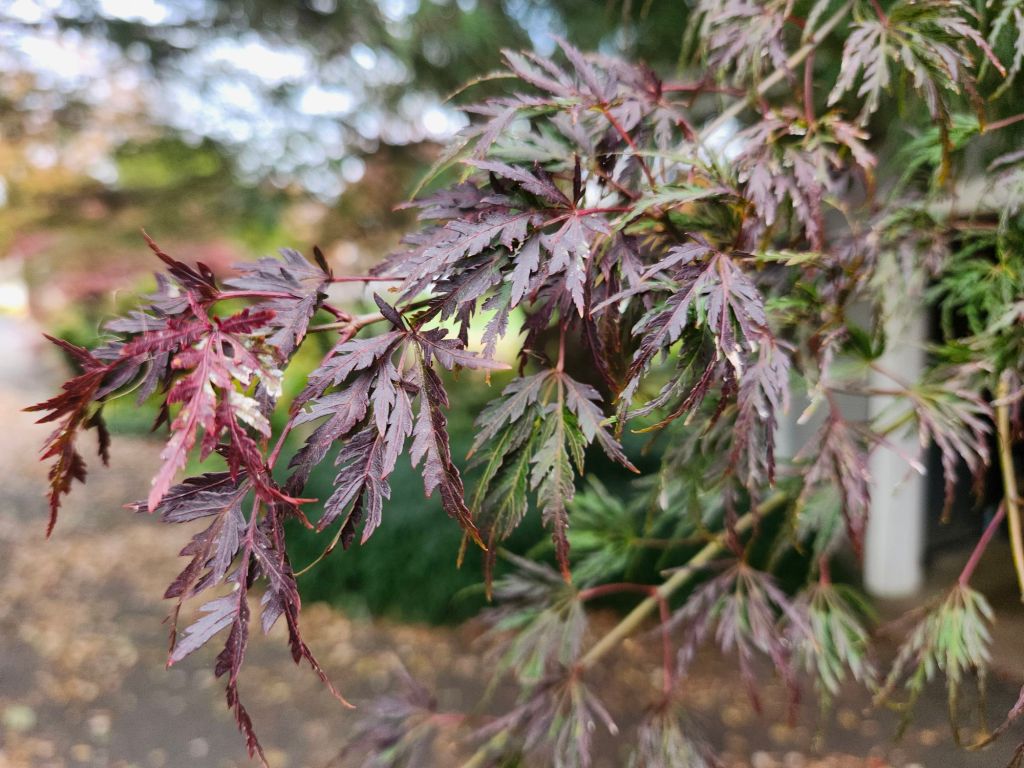
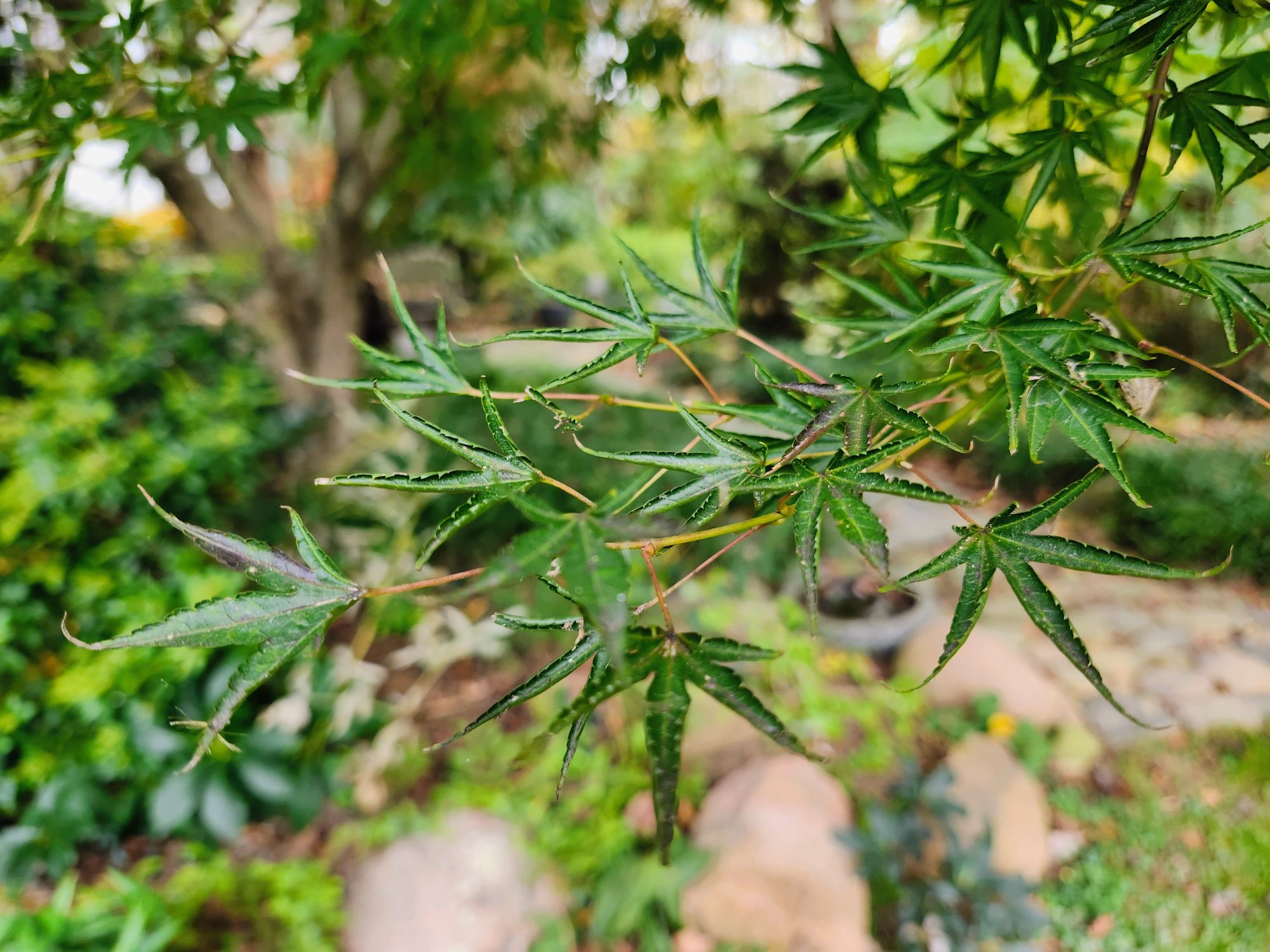
As I stroll the garden, a multitude of thoughts pass through this peanut sized brain. Most enter and exit quickly given its limited capacity, so I must jot these down before they are lost, at least until the next stroll.
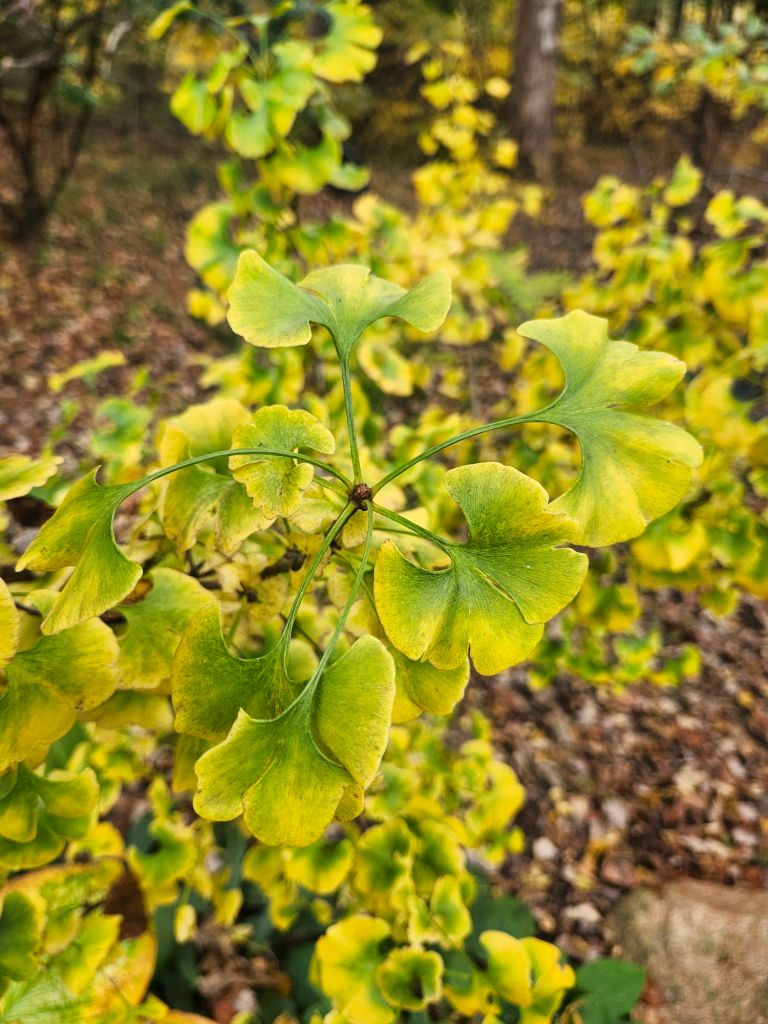
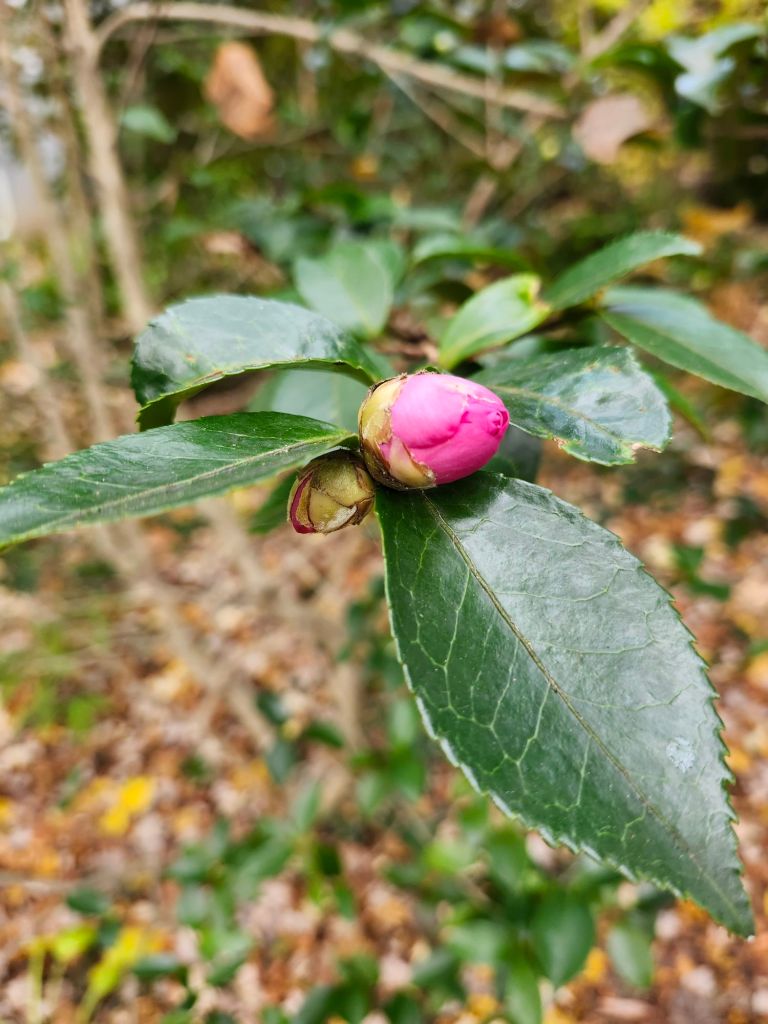
While points of beauty linger, thoughts of essential chores are immediately discarded, to be rediscovered on a day when a garden path is completely obstructed. Even then, I can brush aside the branch and possibly get around to it another day.
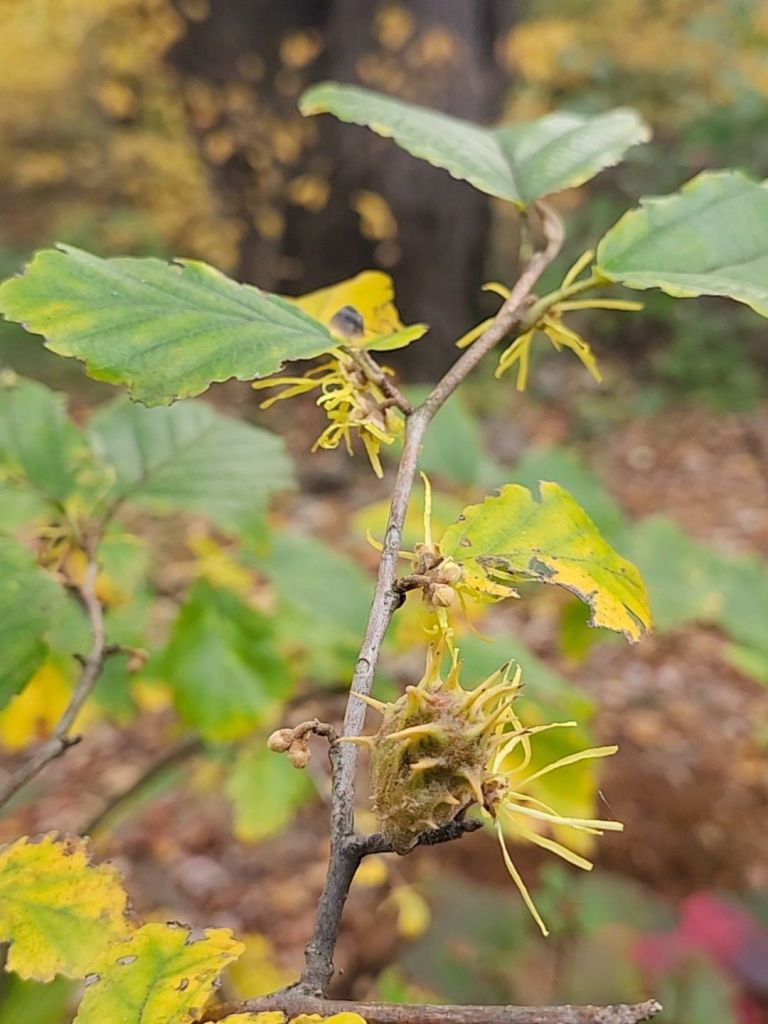
With fewer flowers in early November, those remaining deserve closer attention, but also spring buds and seeds that catch my eye. I must cut a branch of the common witch hazel (Hamamelis virginiana, above) with a year old seed capsule for a talk on seeds later this week. When the seeds are ripe, they are catapulted as far as thirty feet from the prickly capsule.
One seedling of the witch hazel is growing up through the wide-spreading patch of mountain mint (Pycnanthemum muticum) fifteen feet from its parent. Another has grown directly under the tree. It is likely that both will be dug and potted eventually. Hopefully, before they further congest this area of the garden and before a large ball of soil must accompany the roots.
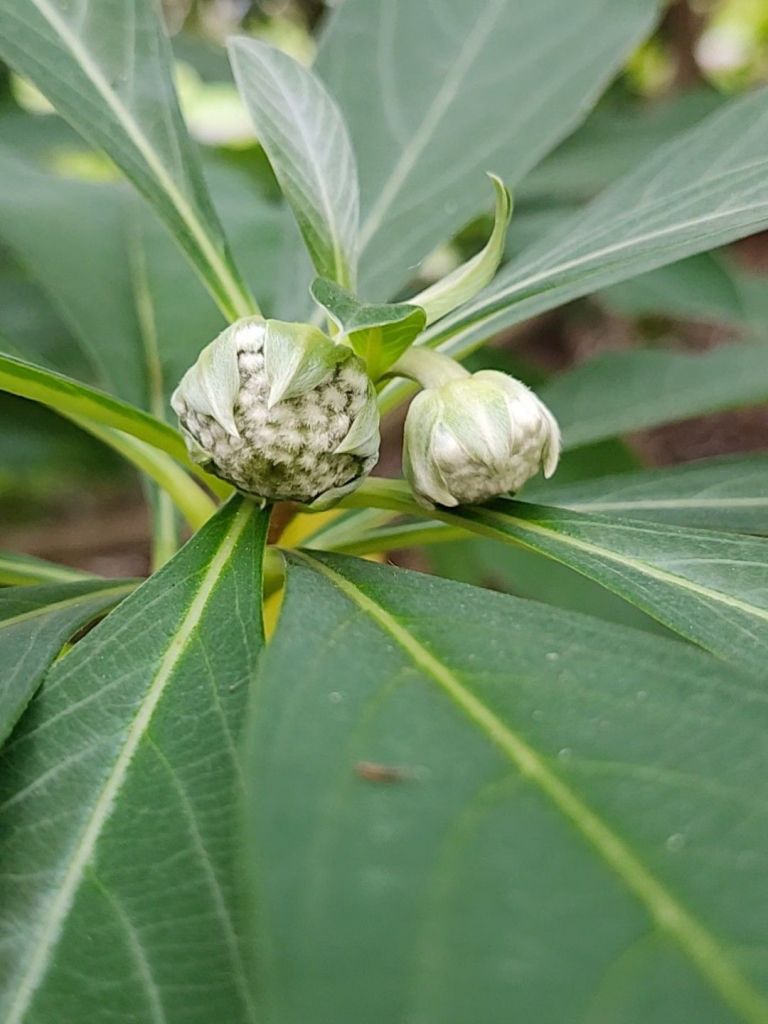
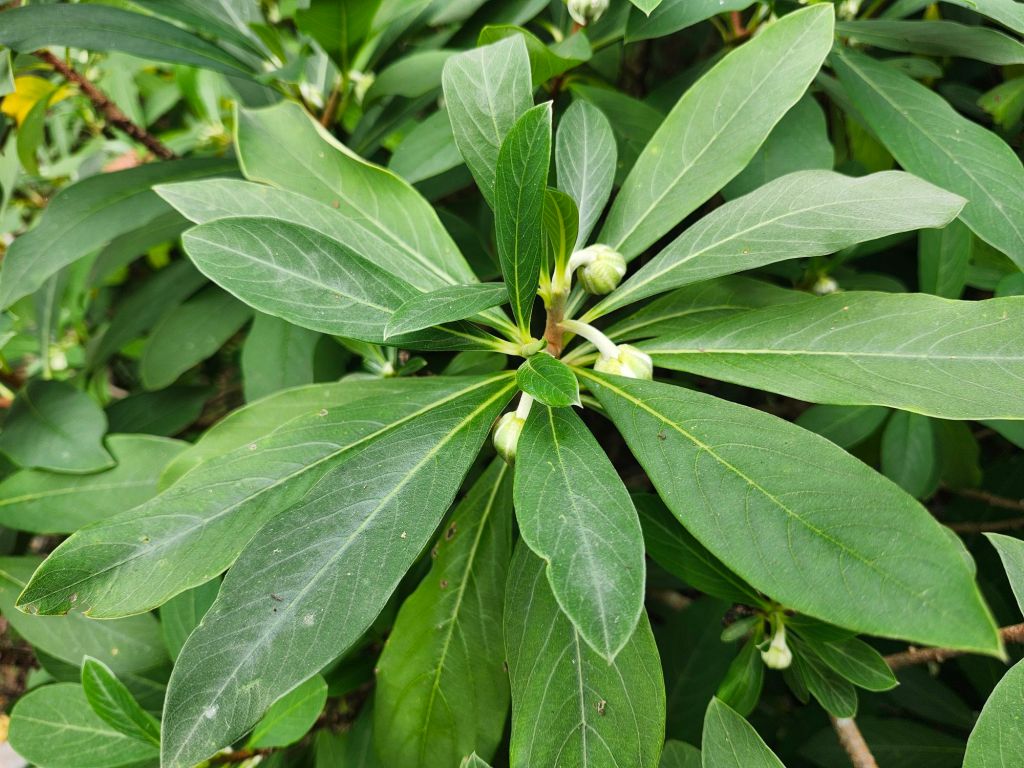
The large leaves of paperbushes (Edgeworthia chrysantha, above) remain until yellowing and falling in the next few weeks. The silvery buds, that will open to become yellow-tipped, white, tubular flowers in late winter, are highlighted by the green background, but are perhaps more ornamental after the leaves fall.
Birds have gathered by the basin along the path to the rear garden, perhaps to alert me that it is nearly dry after a few weeks without rainfall. The shallow stone basin was nearly full to the brim until this week when birds stood impatiently as their buddies splashed away the remaining inch or two.
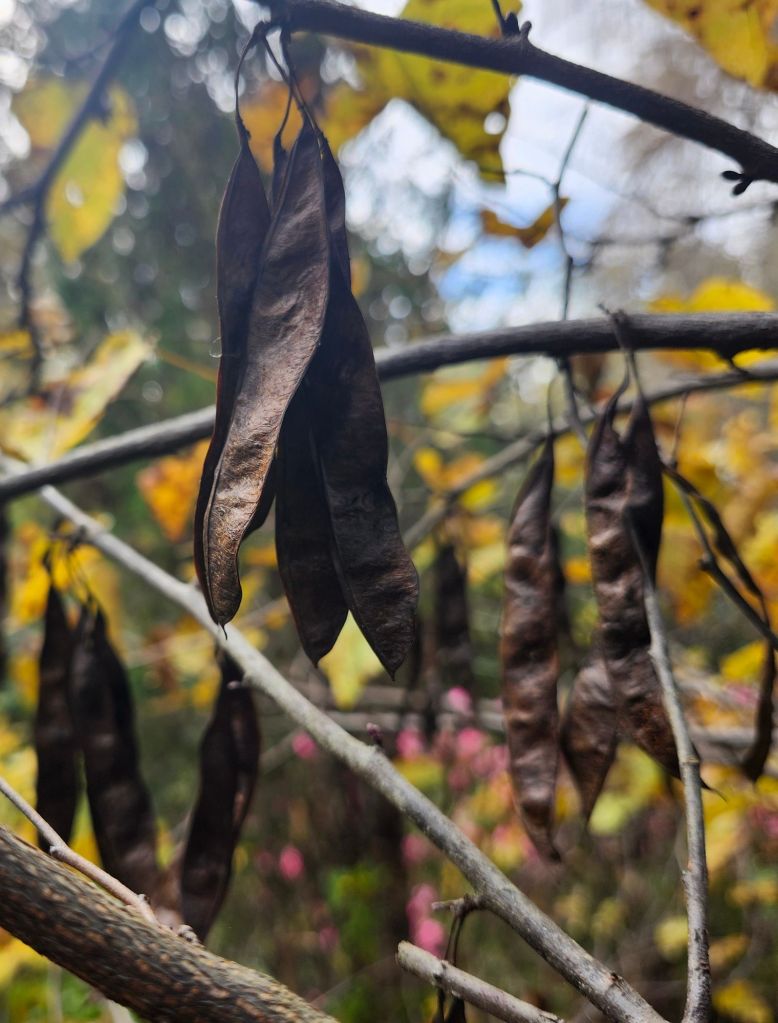
Most of the redbuds (Cercis canadensis) have dropped their leaves (with no autumn color). Only one displays the distinctive pea-like seed pods (above). While several Japanese maples (below) are nearly bare, most are showing their splendid autumn foliage color. Even with my color blindness, the scene can not be forgotten.