With flowers of Joe Pye Weeds (Eutrochium spp., below) showing color just before fully opening, I watch neighboring blooms to monitor who goes where. While the majority of bees are attracted to the wide spreading clump of Blunt Mountain mint (Pycnanthemum muticum, below), a number also dine on nearby Vitex and Clethra.
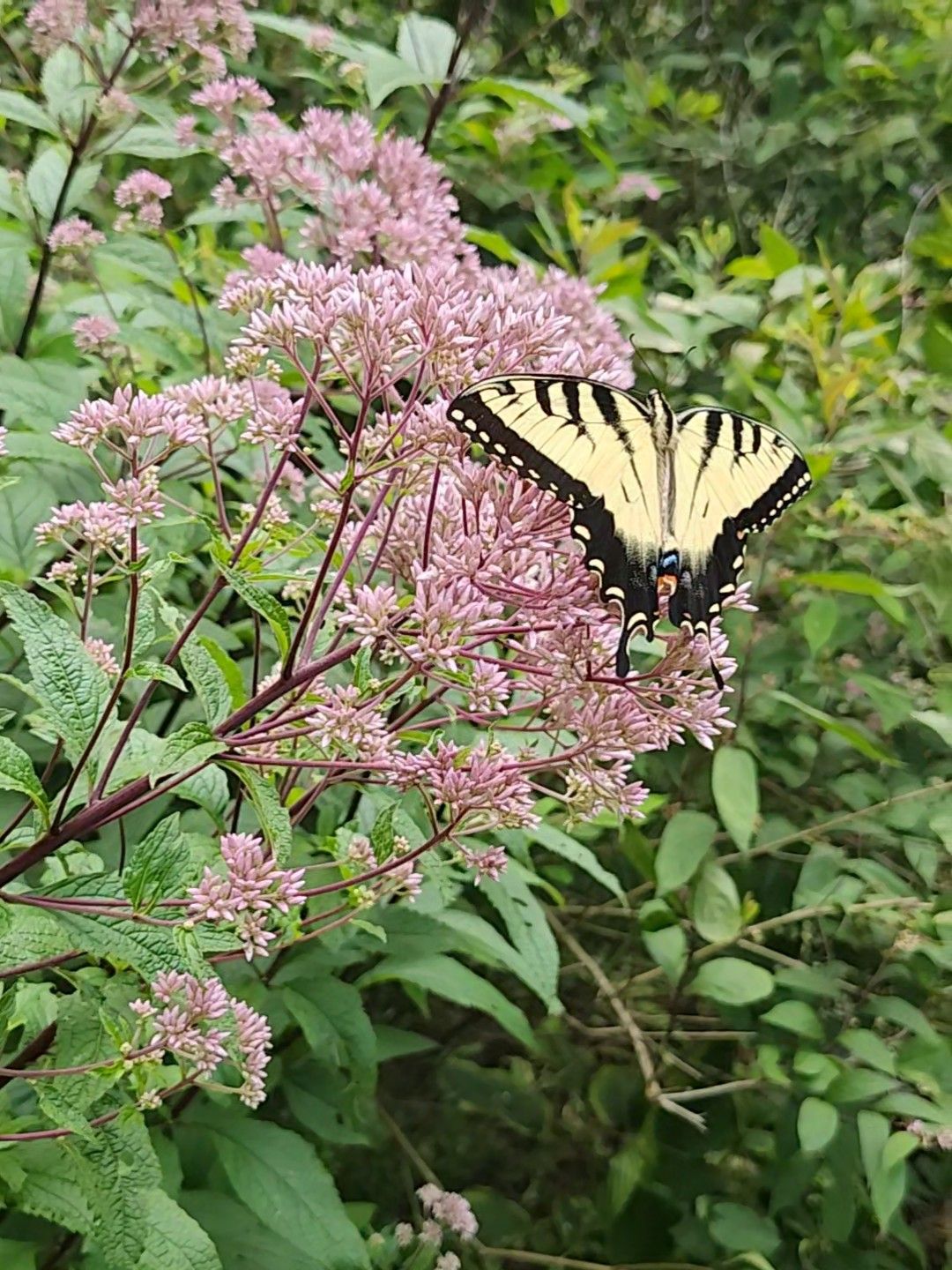
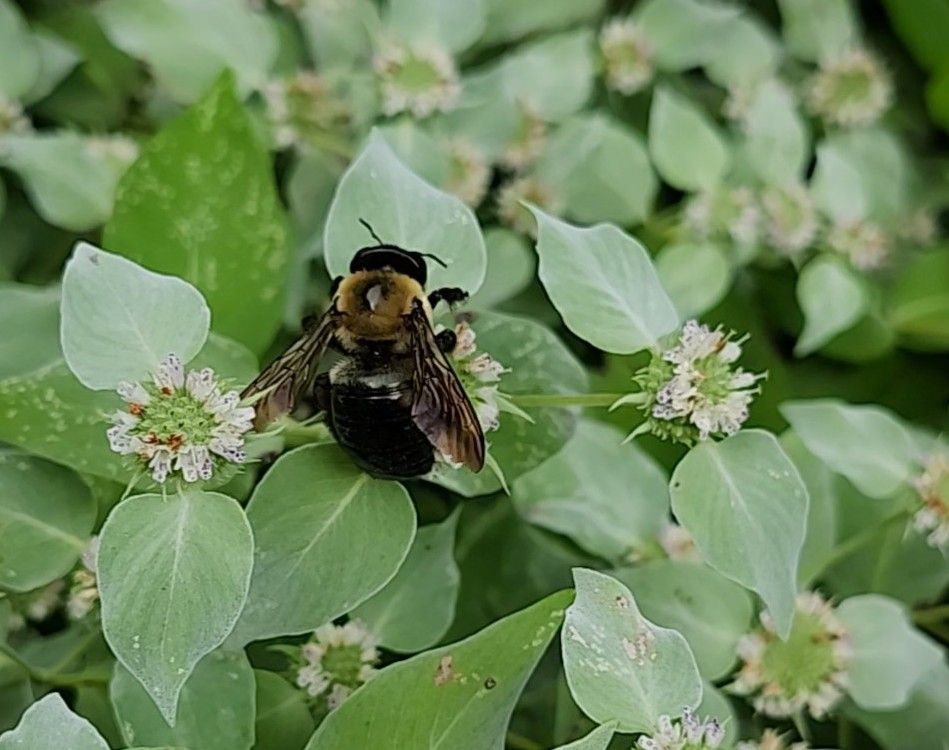
Butterflies, mostly swallowtails, will soon move on from Bottlebrush buckeyes (Aesculus parviflora) when the scattered large clumps of Joe Pye are in full flower. The buffet is open for business in the half sunny, lower rear garden. In the mix of potential pollinator plants, several are ignored, I suspect because their flowers are fewer.
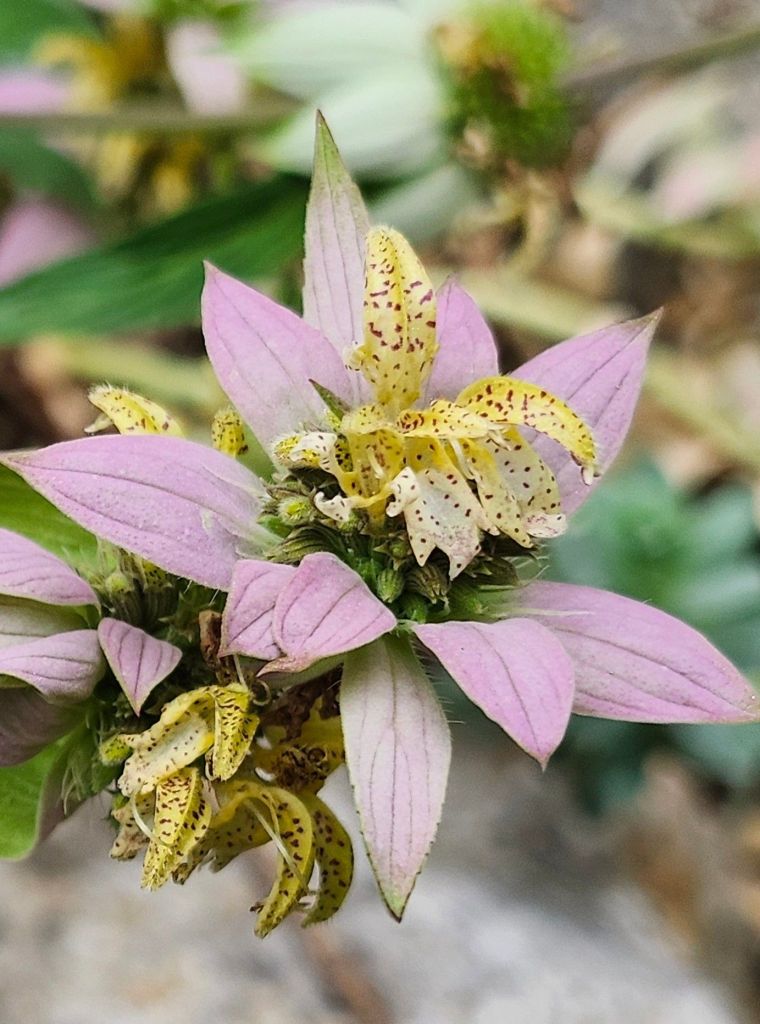
Spotted beebalm (Monarda punctata, above) is a newcomer to the garden in the past year, and while I enjoy its subtle coloring, bees are ignoring it. Clearly, there are too many choices. As always, better too much than too little.
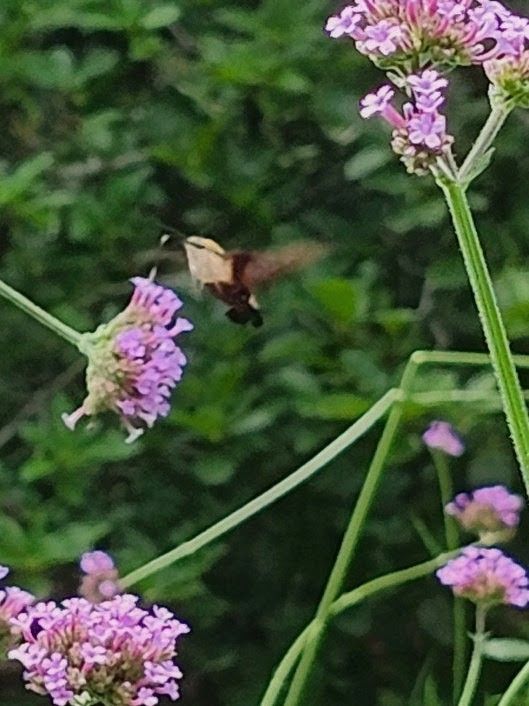
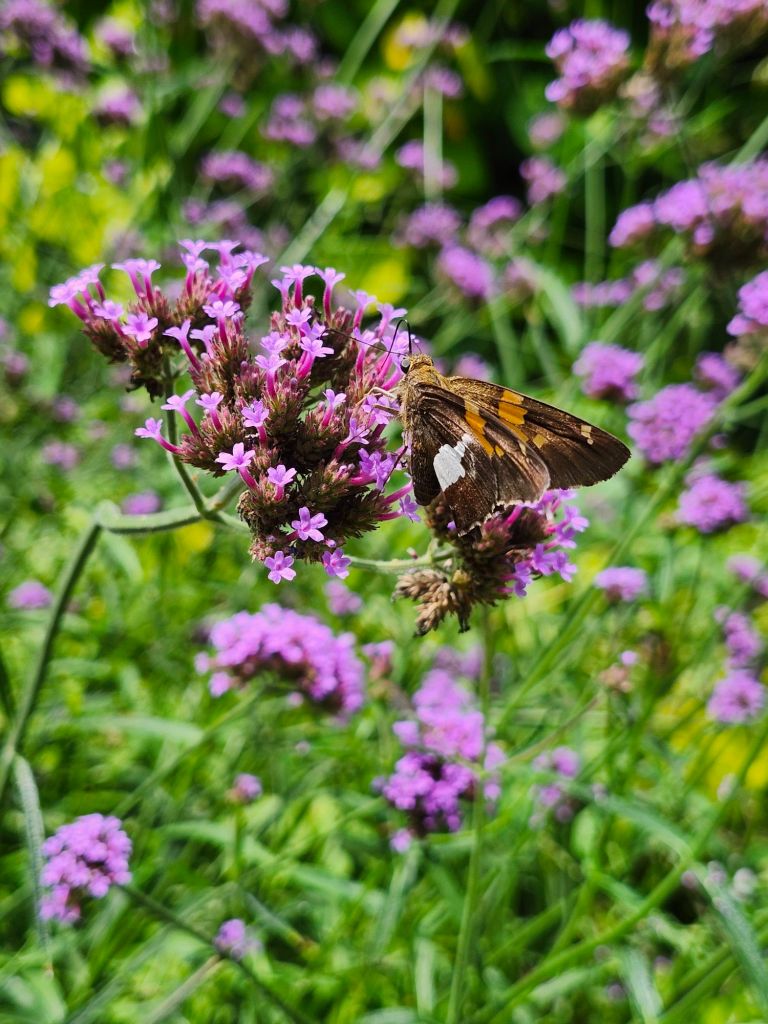
While bees have abandoned Verbena bonariensis that was a favorite two weeks ago, plenty of Silver-spotted skippers (above) and a Hummingbird hawk moth keep the tall flowers swaying, even without a trace of a breeze on this late July afternoon. I expect bees will return when flowers of mountain mints begin to fade late in September.
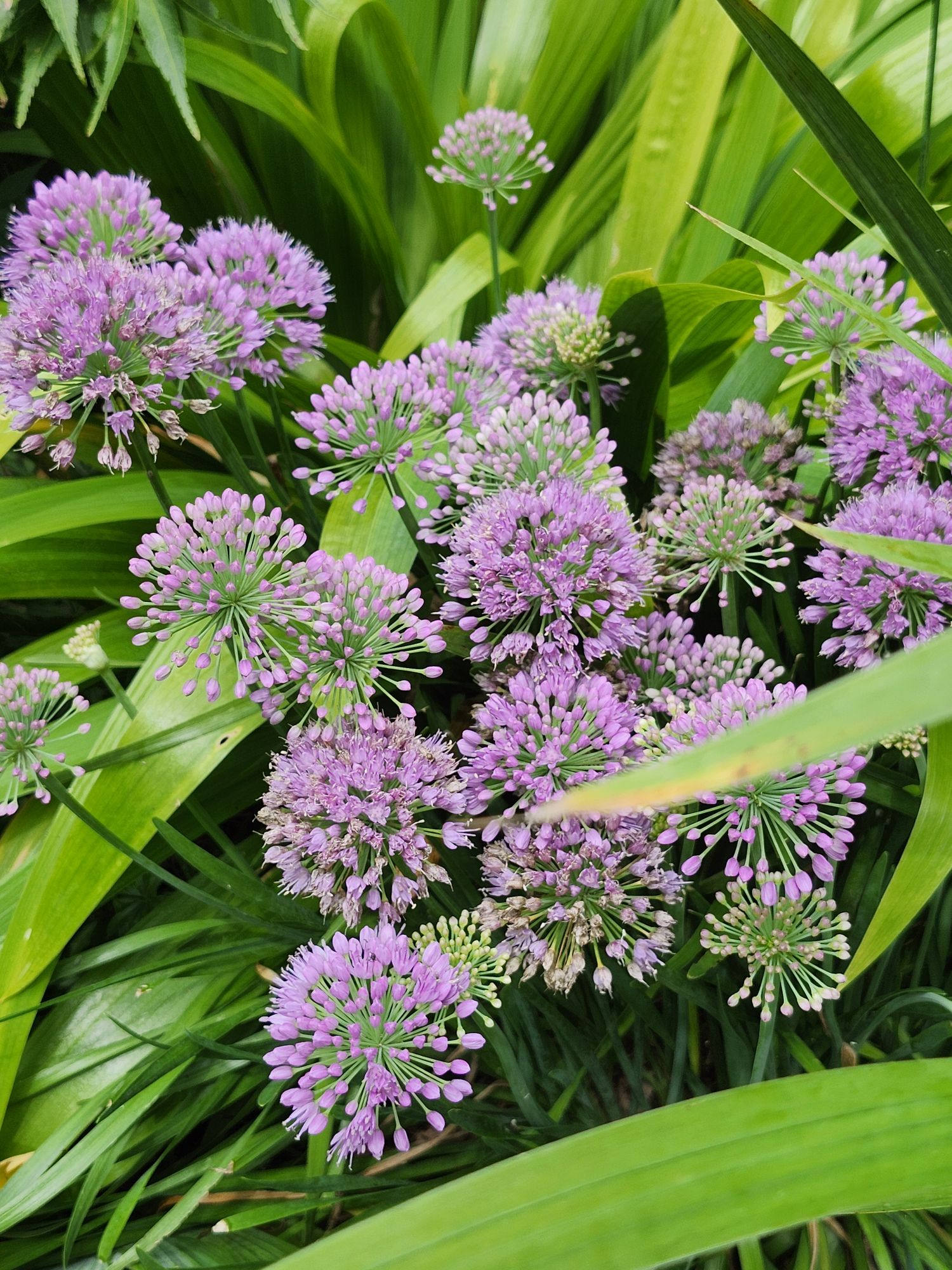
It seems that flowers of ‘Millenium’ alliums are late. Perhaps they are more shaded as the three year old planting in the lower rear garden fills in. Without the overhanging iris (Iris cristata) the alliums were a favorite of bees. Today, there are many smaller pollinators. With many choices, there is something for everyone.


Well, no one is going hungry there.