An initial spray of a deer repellent that promised six month protection has resulted only in attracting deer to decimate foliage of many of the garden’s hostas. The repellent used in the past had been successful, that is, as long as I remembered to spray once each month from April through November. But of course, every lazy gardener searches for solutions to further ease his labor. Spraying only twice each year instead of ten times enticed my trial.
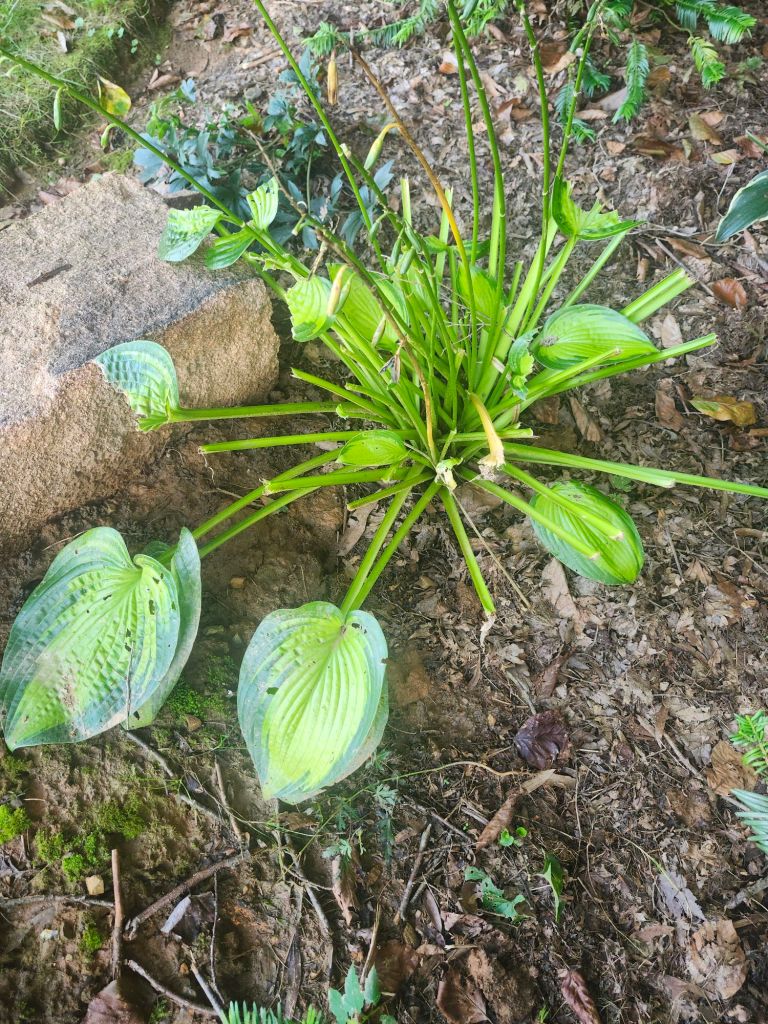
There are several possibilities why this new repellent failed. Perhaps I diluted the concentrate incorrectly. I don’t think so, or that I missed so many hostas on the application. Or, it could have rained before the repellent dried. Again no, but there is a shred of doubt that perhaps I did something wrong rather than the product being ineffective.
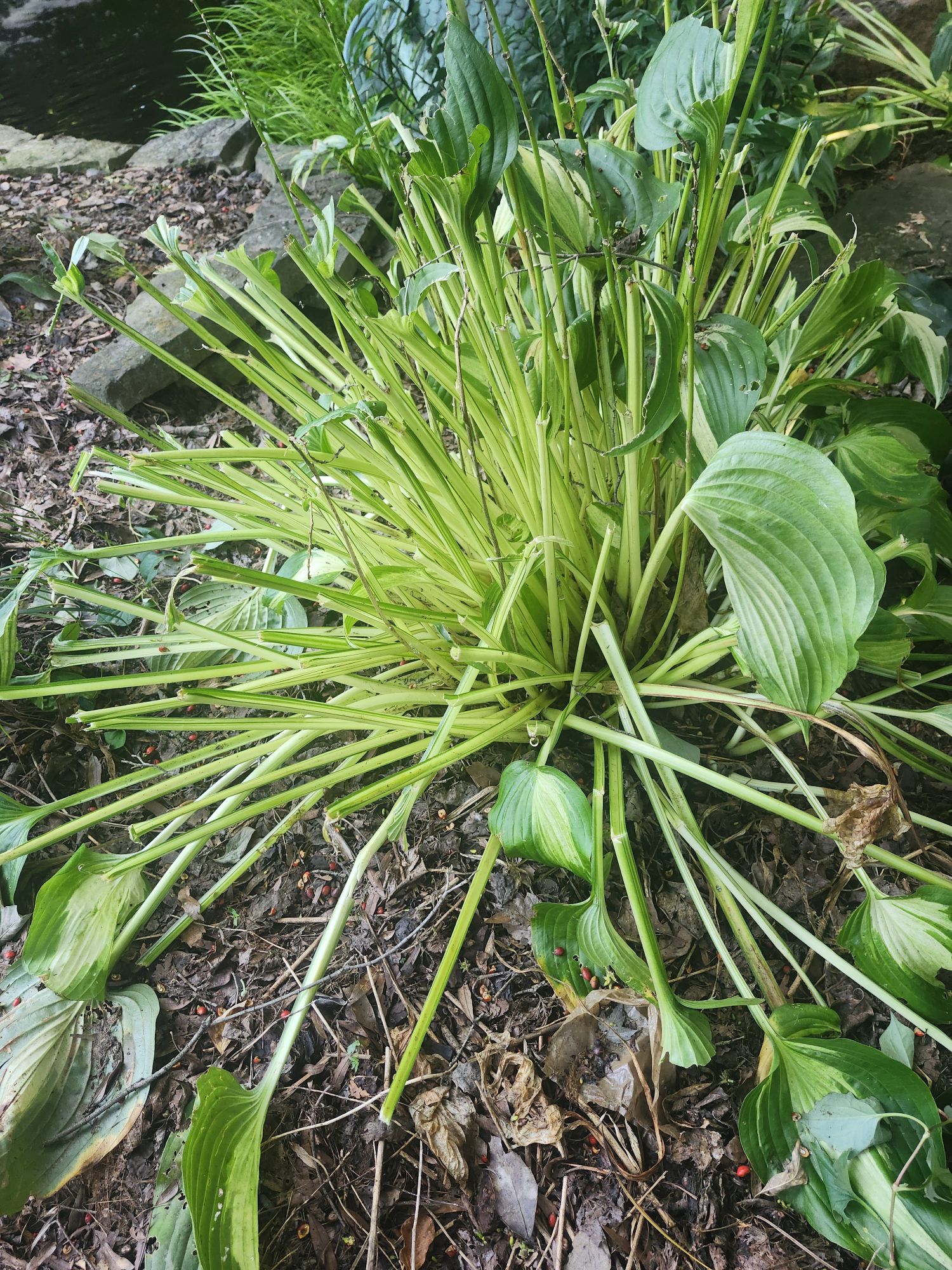
I should try one more time prior to discarding the remaining repellent and stating its ineffectiveness. But, there are few remaining hosta leaves for a repeat trial and I am not willing to take the second chance on next spring’s new foliage. There are a number of hostas in the side and rear gardens that are unharmed, but the deer have not bothered them for some reason, so spraying a second time might not prove a thing. I’ve sprayed a few hostas and hydrangeas with a heavier concentration, just in case.
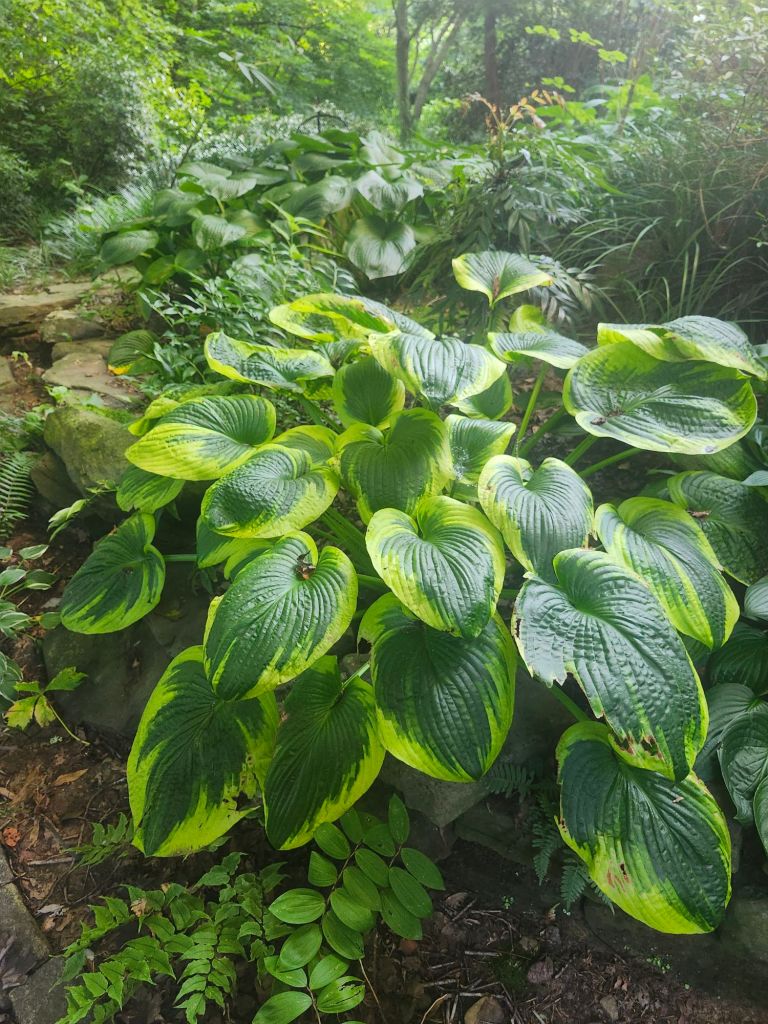
All of the munched hostas should revive with spring’s new growth. I often stop spraying the repellent in September to open a late season buffet, and yes, I’m aware that the deer are then encouraged to return. Interestingly, with the new, ineffective treatment, deer have nibbled large, coarse leafed hostas that I rarely spray since deer have seemed to ignore this type. Perhaps I read the label wrong. Did it say attractant rather than repellent?
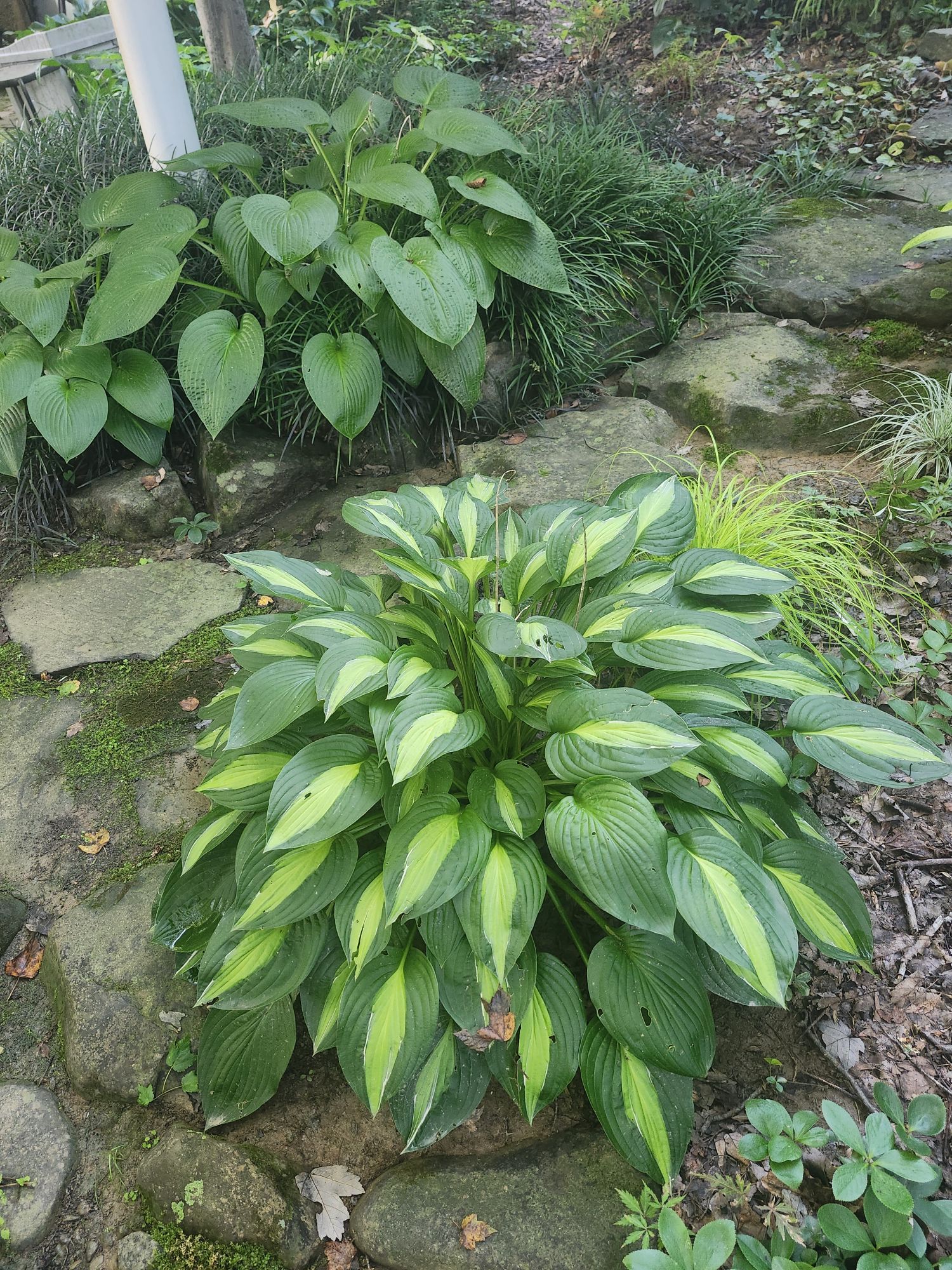


This is sad. It is strange that the deer have not eaten my hostas even once. They nibble on lots of other things.
I’m seeing a few nibbles on hydrangeas, but the deer are primarily interested in hostas.
Well, at least they have good taste! lol I love Hostas in the garden.
The undamaged specimens look fabulous. Hostas do not perform so well here.
We are fortunate to have only minor issues with slugs. Otherwise, hostas are easy and carefree except for deer.
For us, it is an issue with climate. They prefer more humidity when the weather gets warm.