Okay, we hiked nine miles and nearly three thousand feet up the snow of Mount Rainier, so today we take it easy with a few garden strolls. We’ve moved on to the Olympic Peninsula. Tomorrow we’ll be hiking up another mountain (still to be determined), but today we visited Heronswood and Bloedel Reserve, gardens I’ve seen several times but new to Barbara. A few days earlier, we visited Chihuly Garden and Glass, Bellevue Botanical Garden, Rhododendron Species Botanical Garden and Kubota Garden, so with six gardens visited I have lots of ideas and a long list of plants to add to our garden.
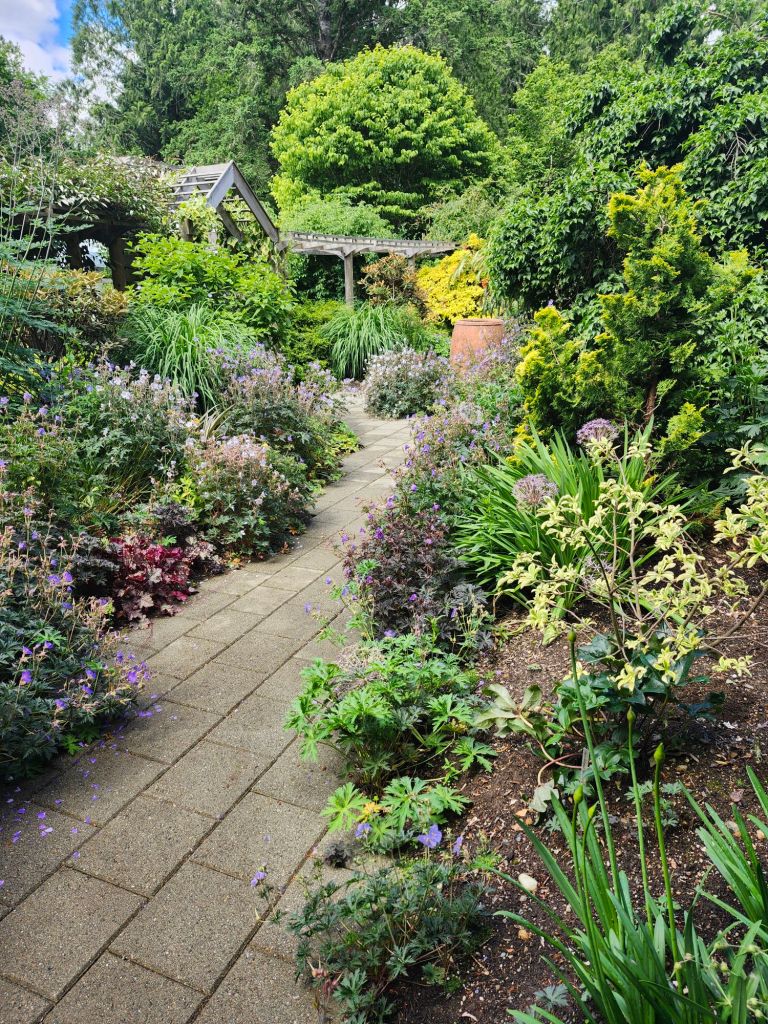
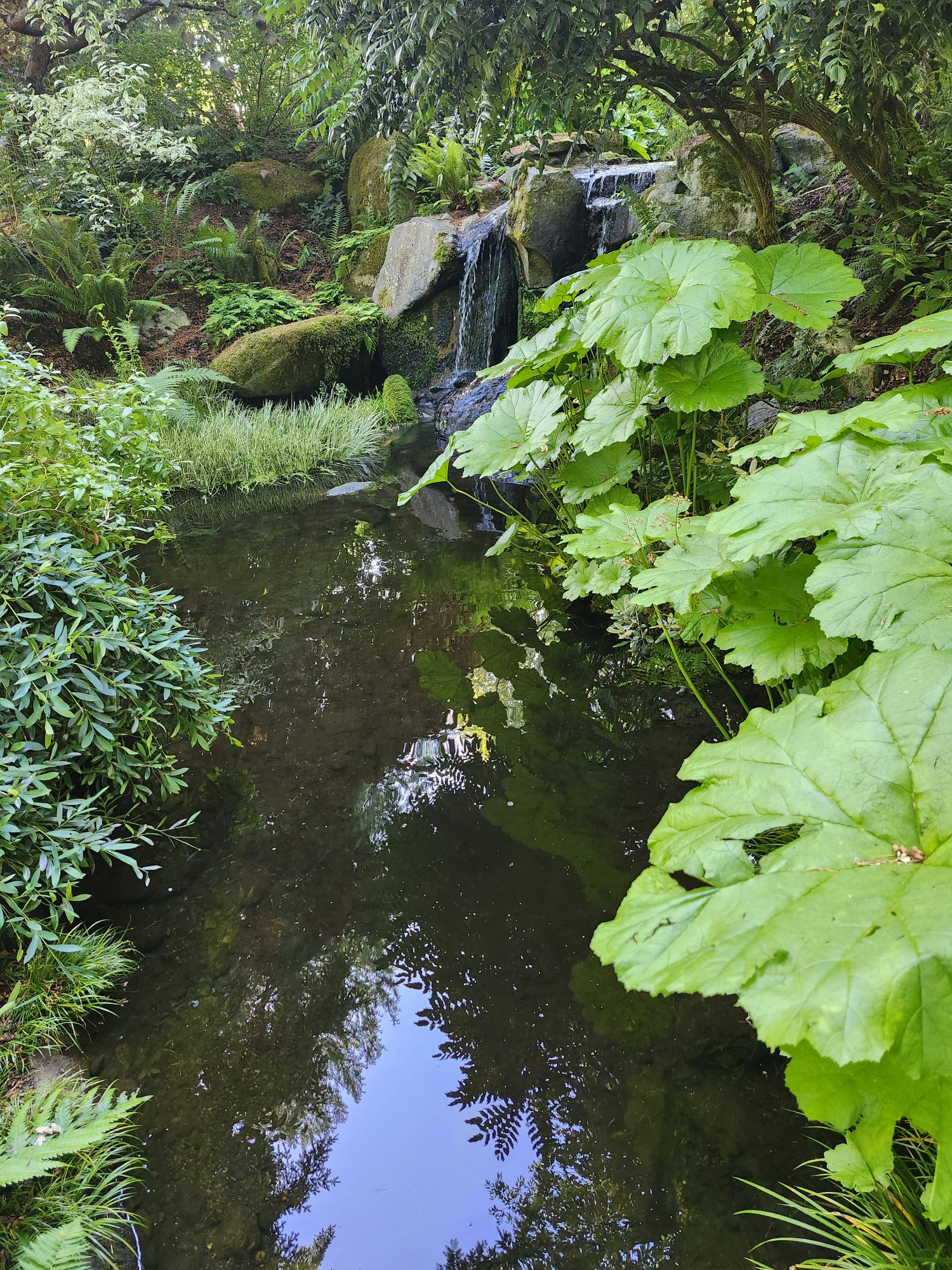
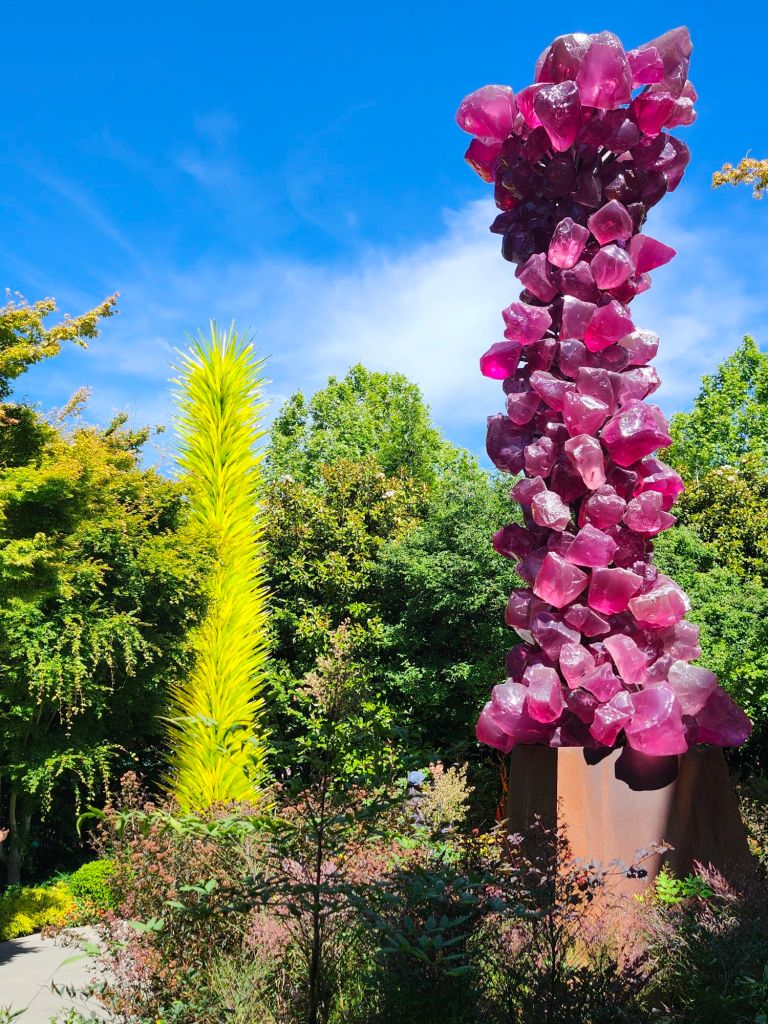
These are my ideal gardens, the ones I try to replicate against the wishes of Virginia’s Mother Nature. The mild climate in the Pacific Northwest promotes lush growth by early summer, while our humid summer days and overly warm nights stress many of my favored plants. We are fortunate to have more regular summer rainfall, though the past few summers have been dry.
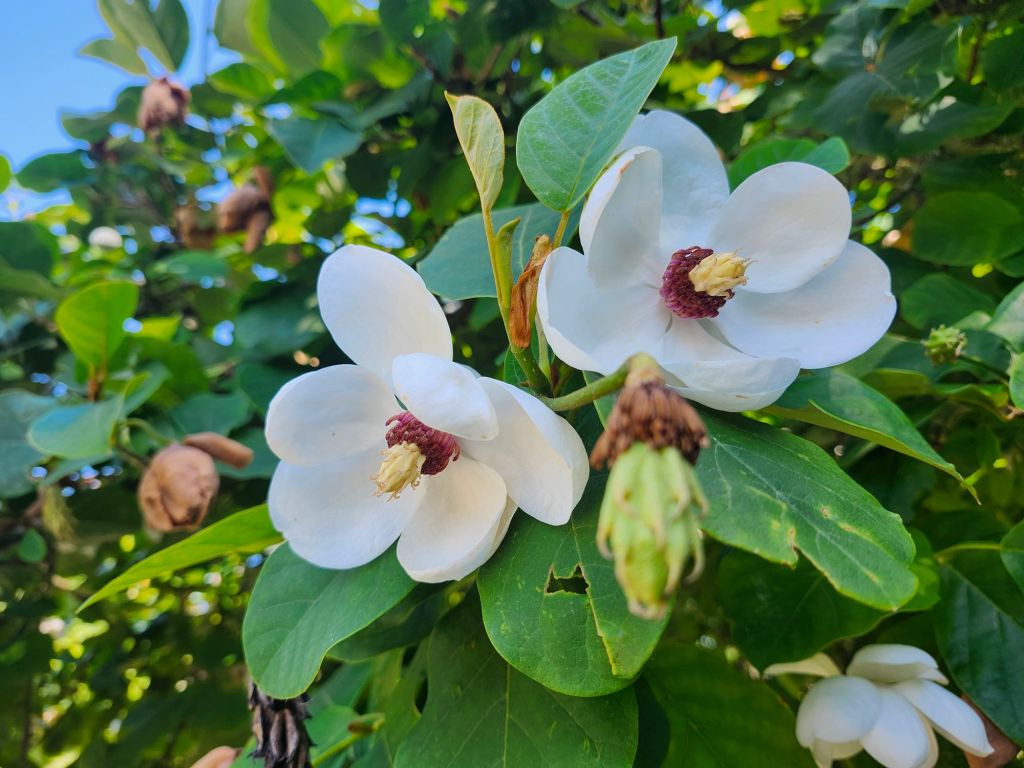
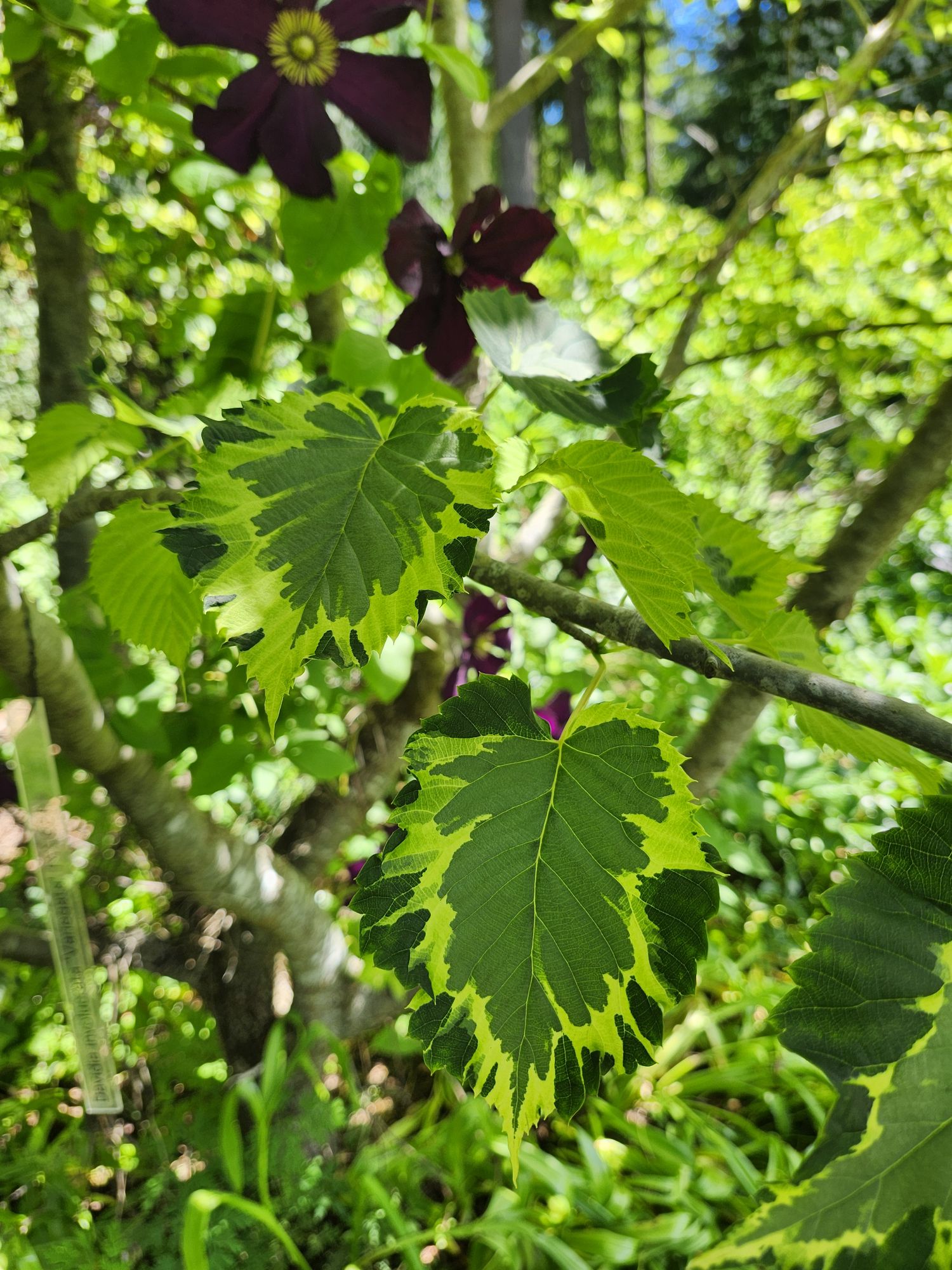
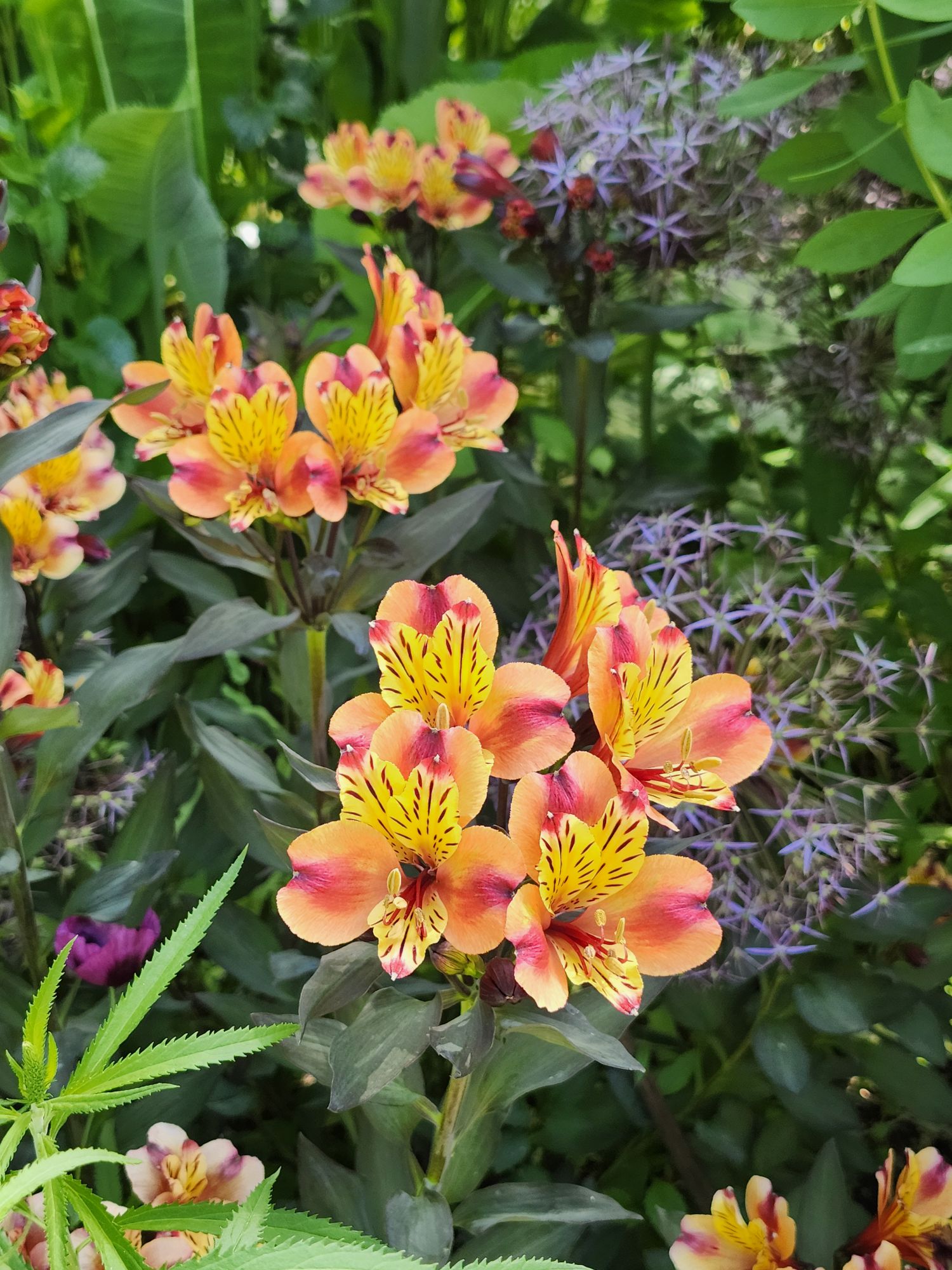
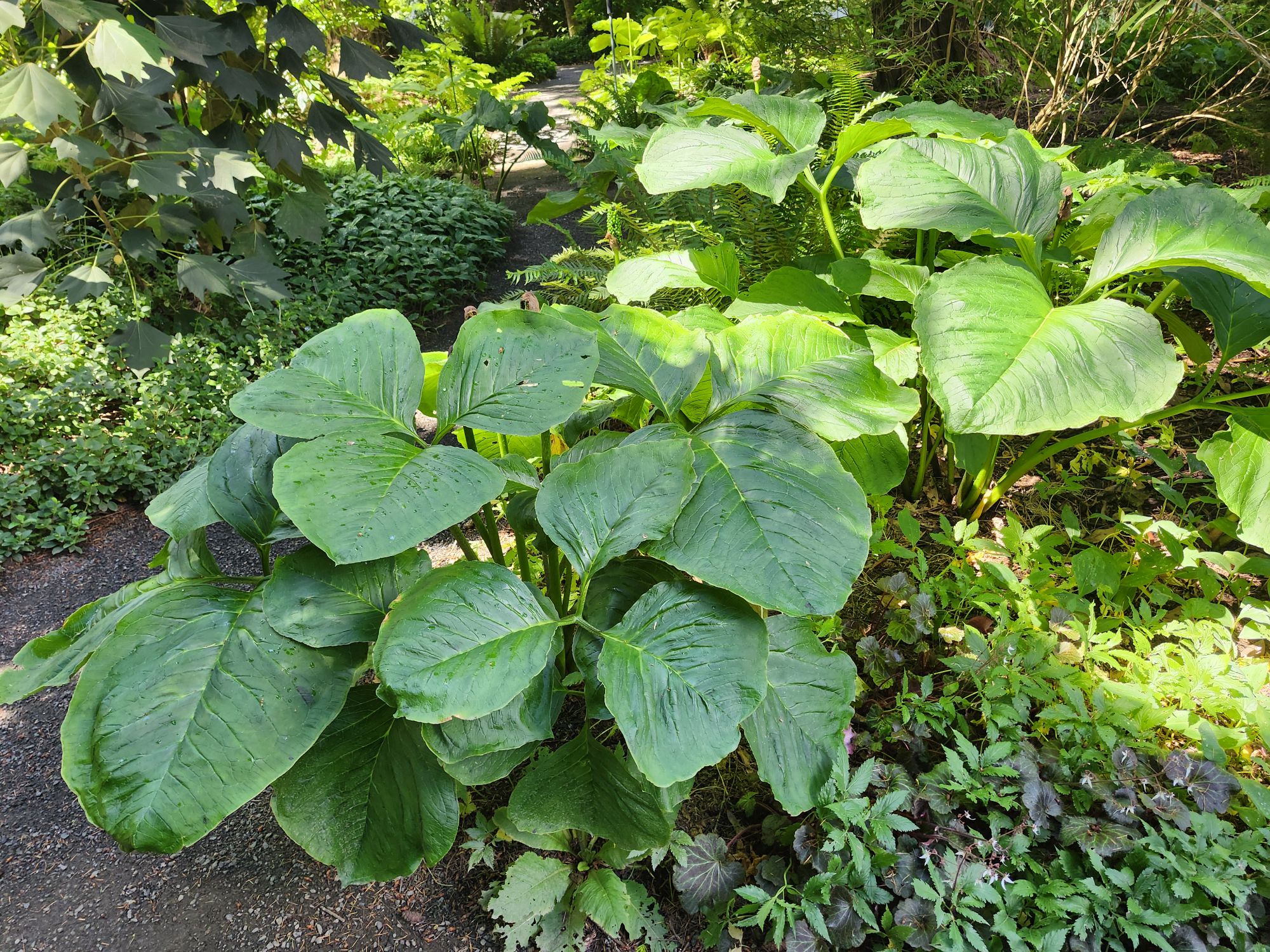
The gardens and forests of the Northwest are where I get my inspiration and a long list of plants that I must have. I’m taking photos as I go for the memories, but also to help prepare garden center purchases and mailorders for September deliveries.
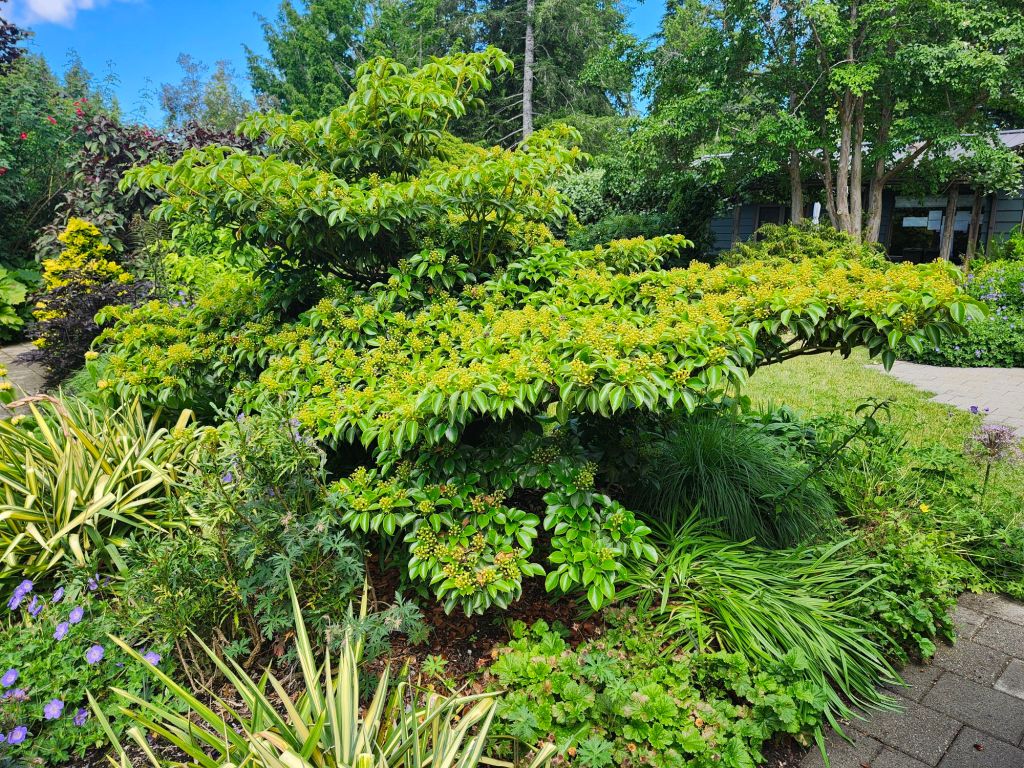
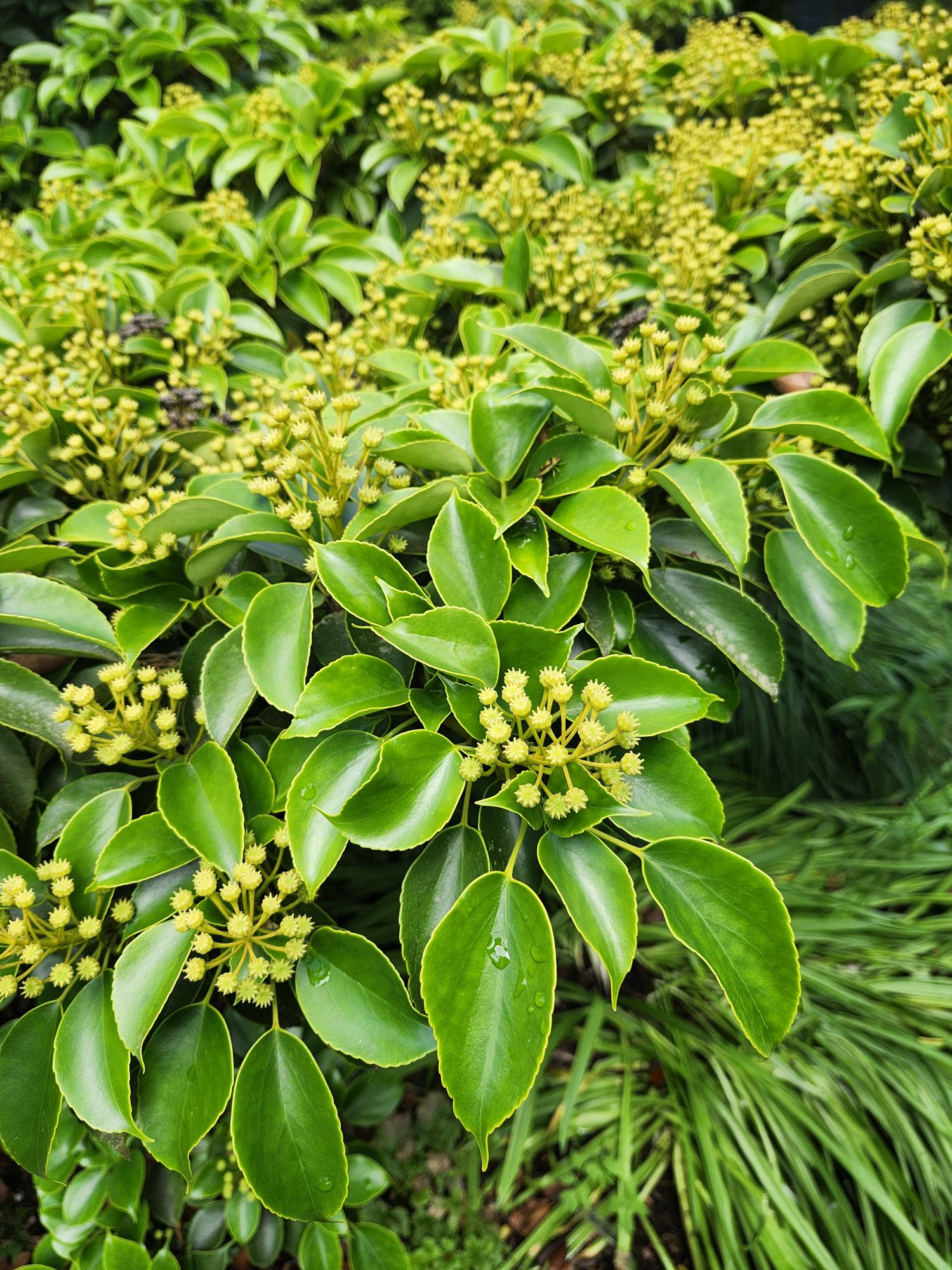
I believe that this is my fourth visit to Heronswood, and today I made a long list of must-haves. I also noted a Wheel Tree (Trochodendron arailiodes) that has been pruned to encourage large, shrubby growth. Why didn’t I think of that? My newly planted Wheel Tree is only four feet tall, but I’ve been concerned that it will grow far too large. Here’s the answer, at least for whatever years I have left.
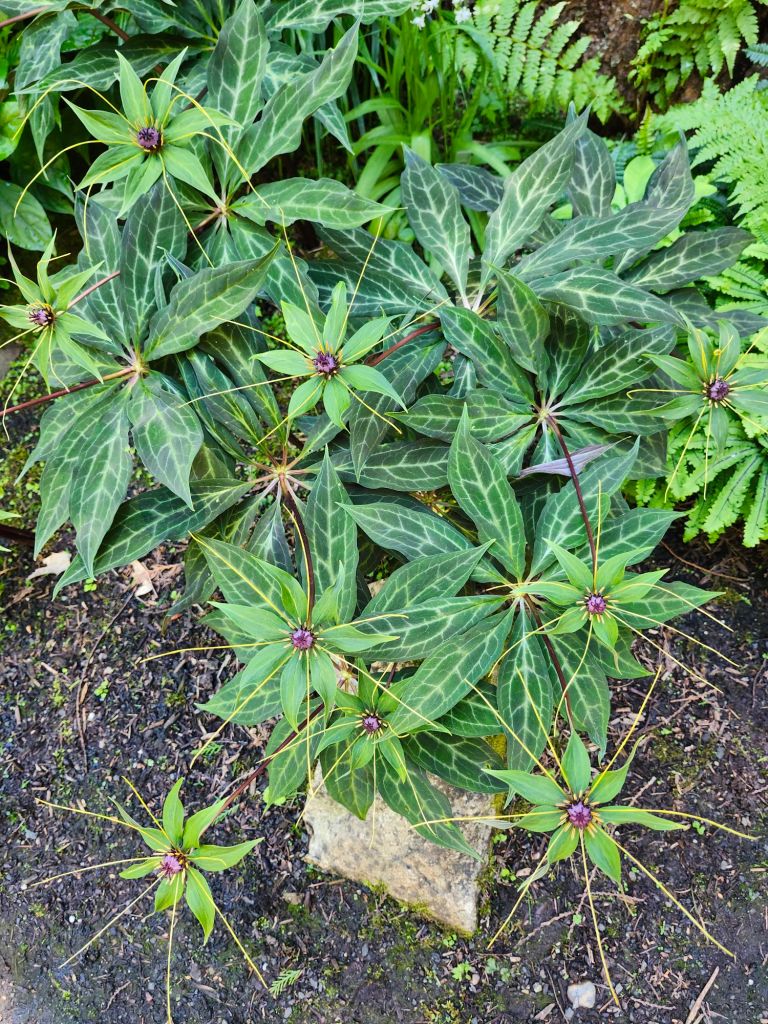
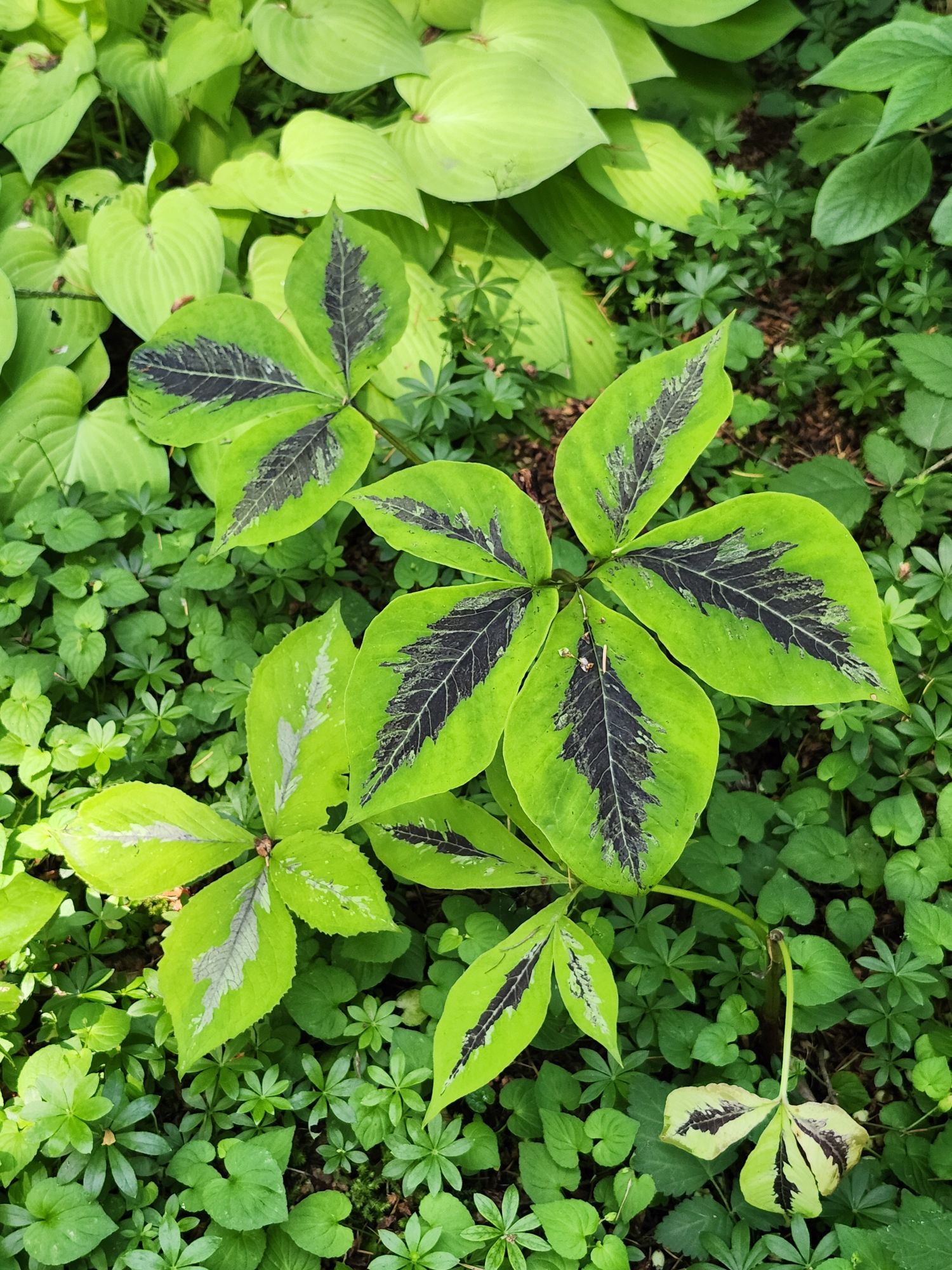
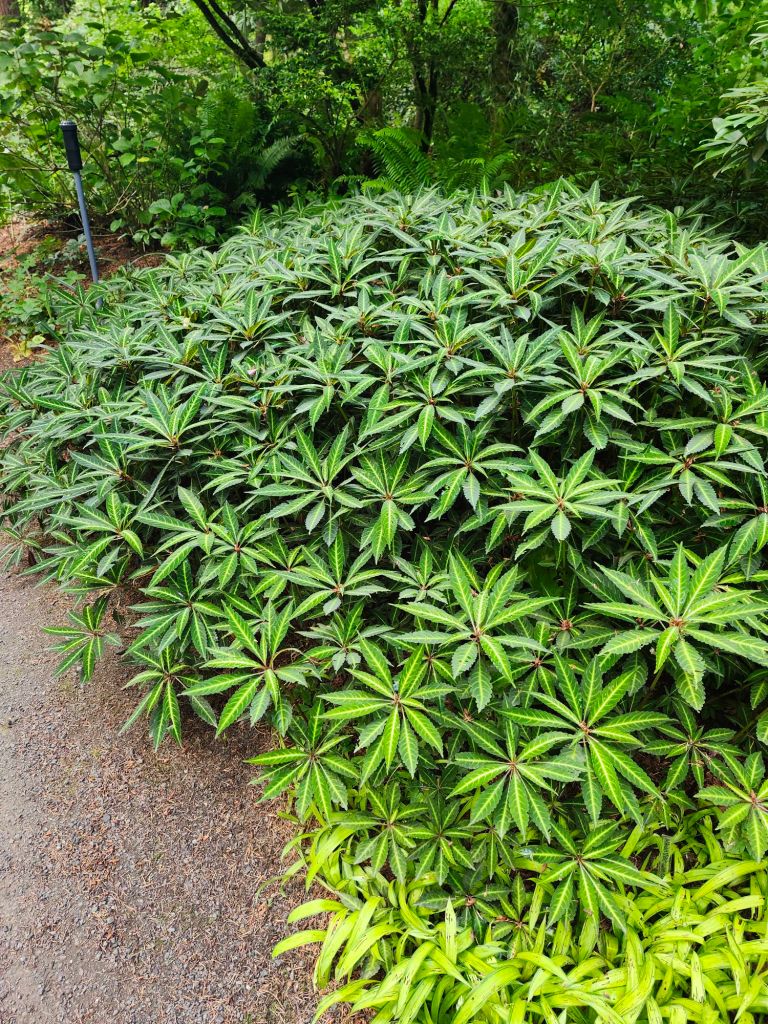
I am fortunate to be able to identify most plants in the gardens, though often not the species. And here’s the problem. Several Paris polyphylla are growing happily in my garden, but I can’t identify one I saw at Bloedel (above). And, I’ve got to have this one with prominent veins. The debate continues, are labels for better or worse?


Beautiful gardens!
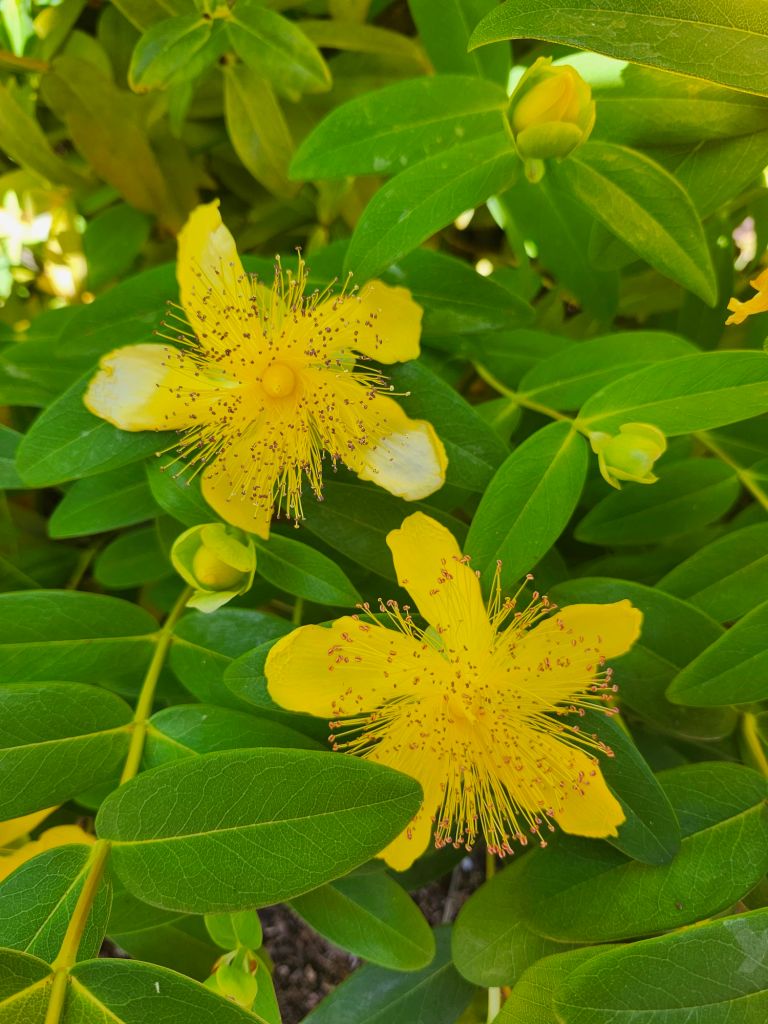
Is Saint John’s wort not invasive there?
I’ve never seen any evidence of it or heard of it being a problem in our area.
Both Hypericum perforatum and Hypericum canariensis are officially naturalized here, but Hypericum calycinum is the species that I notice here. They are not overly prolific, but they are persistent.
I have two St John’s Wort. They are healthy and I’m pleased to see them thriving every year!