I learn something, sometimes many things, on every stroll through the garden. Of course, my limited brain capacity quickly discards the clutter of observations to simplify my enjoyment. I am a happy gardener, but often clueless.
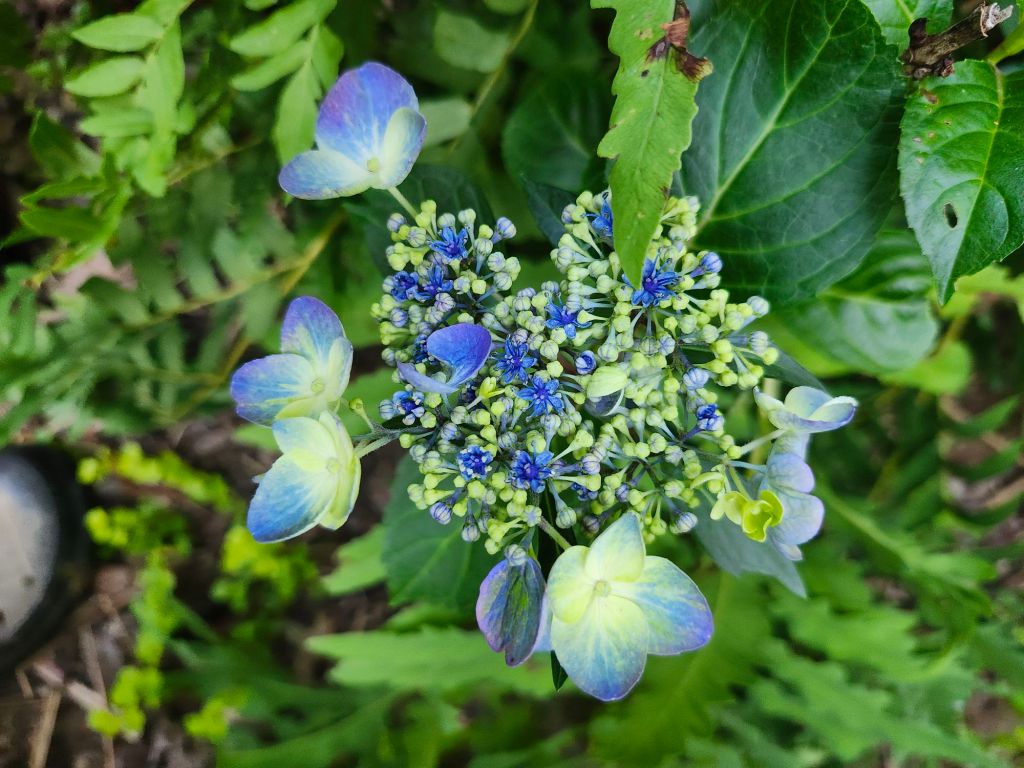
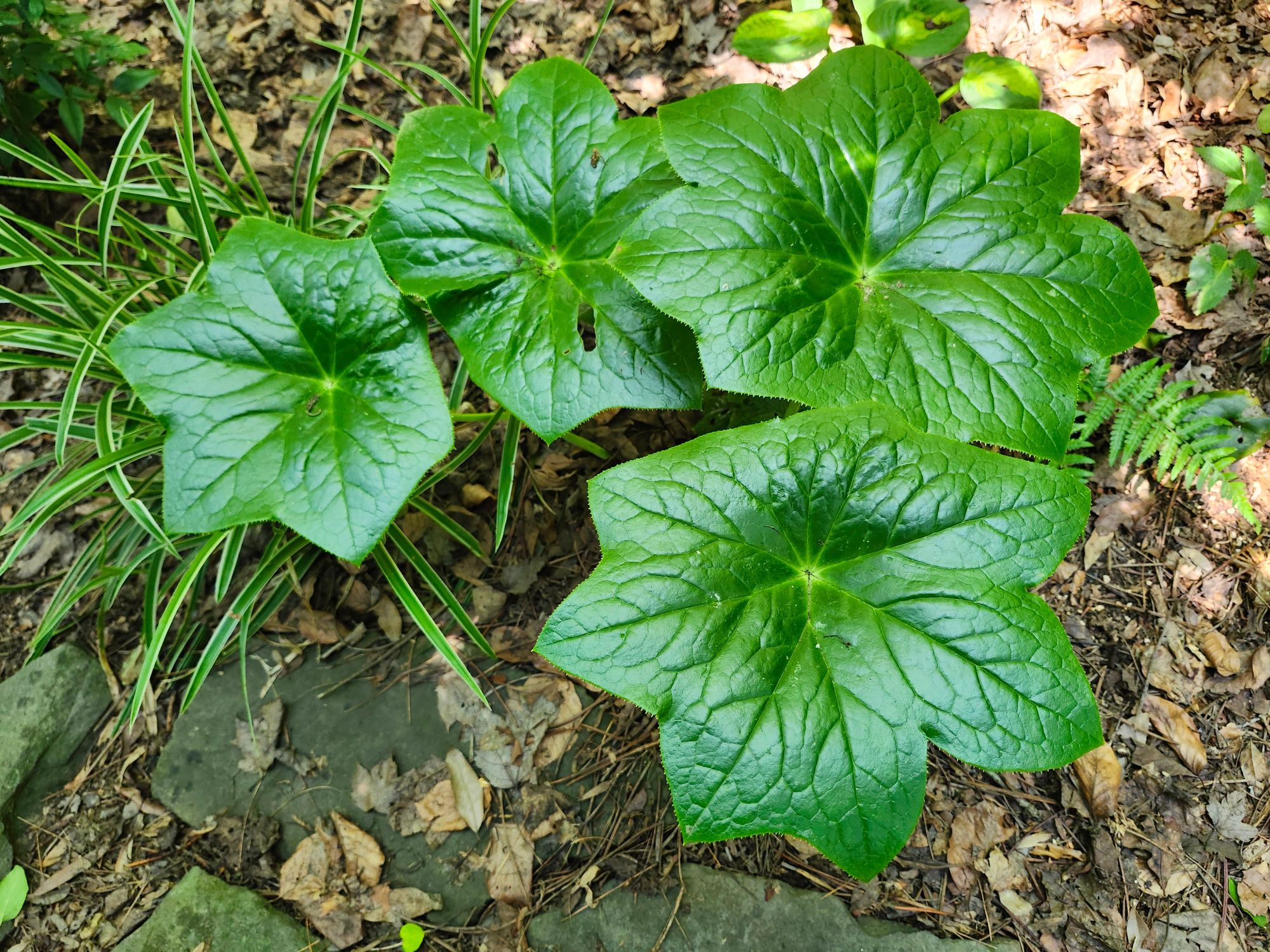
On this hundred degree afternoon, I was not surprised to see hydrangeas, then mayapples (Podophyllum spp.) and waxy bells (Kirengeshoma spp.) wilting in the heat. I was concerned to see the narrow leafed schefflera (Schefflera taiwaniana, or Heptapleurum) drooping badly, though to my relief all recovered by late evening as the sun set. I am hopeful that afternoon storms and milder temperatures arrive soon to relieve this stress.
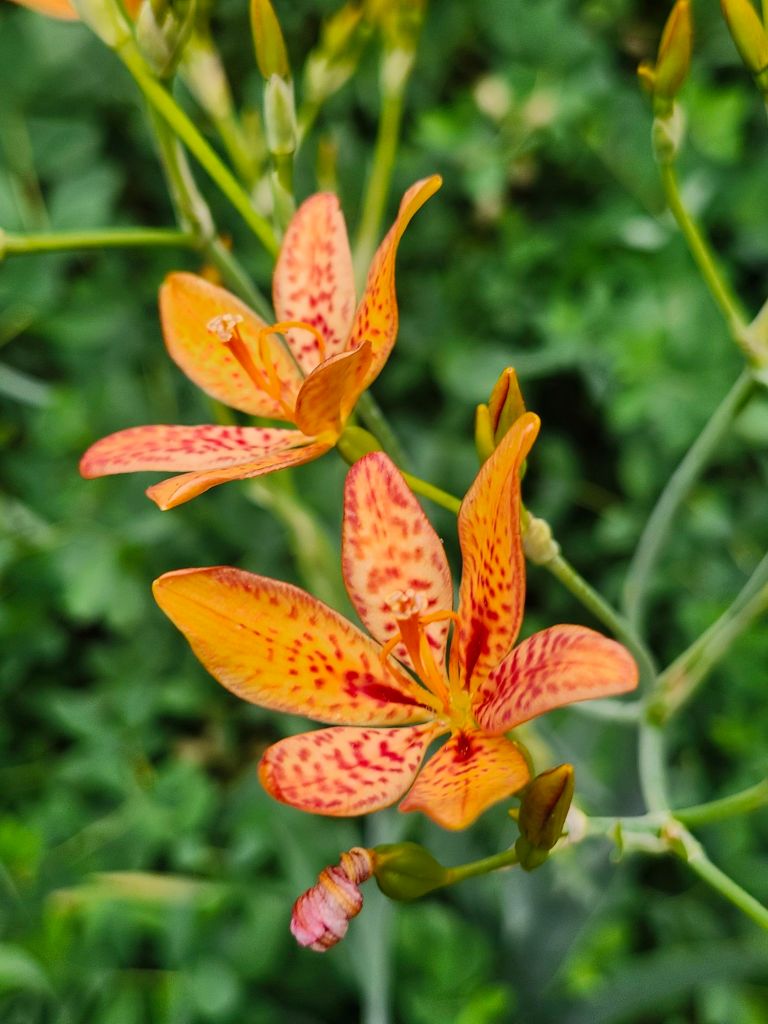
I am most surprised to see the extraordinary height of blackberry lilies (Iris domestica, once Belamcanda chinensis) in varied soils and sunlight in the upper and lower rear gardens. The flowers of several substantial, three year old clumps top at nearly six feet, double their typical height. I do not fertilize or irrigate, so I struggle to understand.
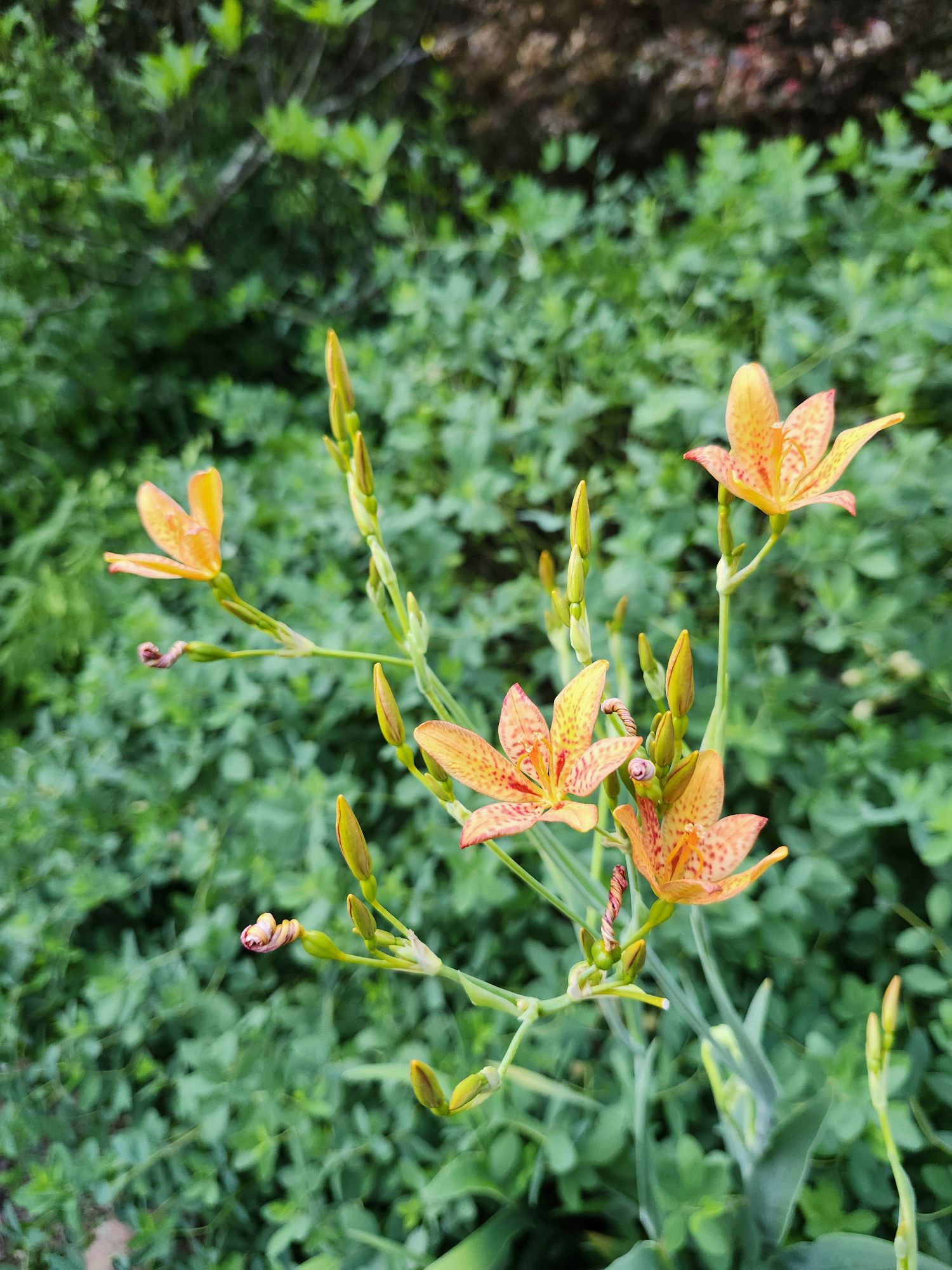
In any case, I believe this to be an indication of happy plants and another confirmation of a lack of harm due to my limited care. There is science behind this, and I try to figure it out so I can replicate the results. But I can’t, and the best outcomes must be accidents of nature beyond my comprehension.
I am most pleased that blackberry lilies grow and flourish despite my failings in starting any other plant from seed. My results are spotty in starting the large, black seeds in flats. Yes, they germinate, but then my lack of attention thins the crop substantially. Best results are achieved by tossing seeds into the desired location soon after they are ripe, then forget about them and see what happens.
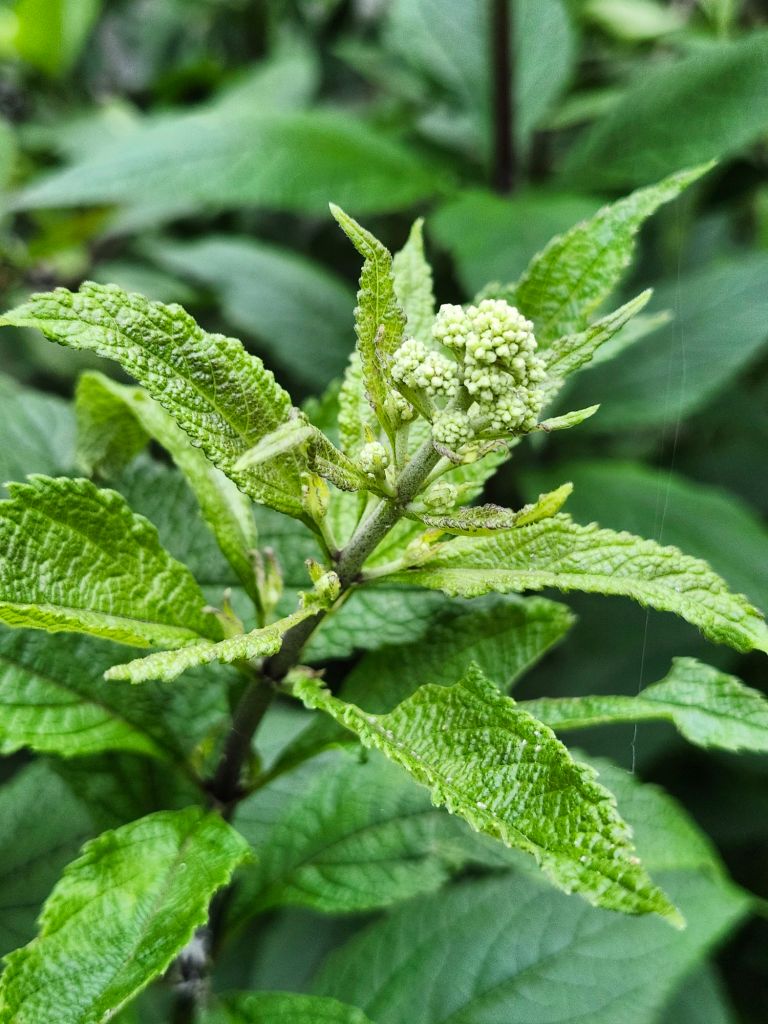
I see that Joe Pye Weeds (Eutrochium spp.) are just about to flower. Somewhere, I first planted the compact, three foot tall Joe Pye selection, but all I see today are taller versions. Conveniently, most grow up through branches of sturdy shrubs or behind plants that offer support for the tall stems. Occasionally, a few must be weeded out, but most of the random seedlings in the damp, lower half of the garden are encouraged.
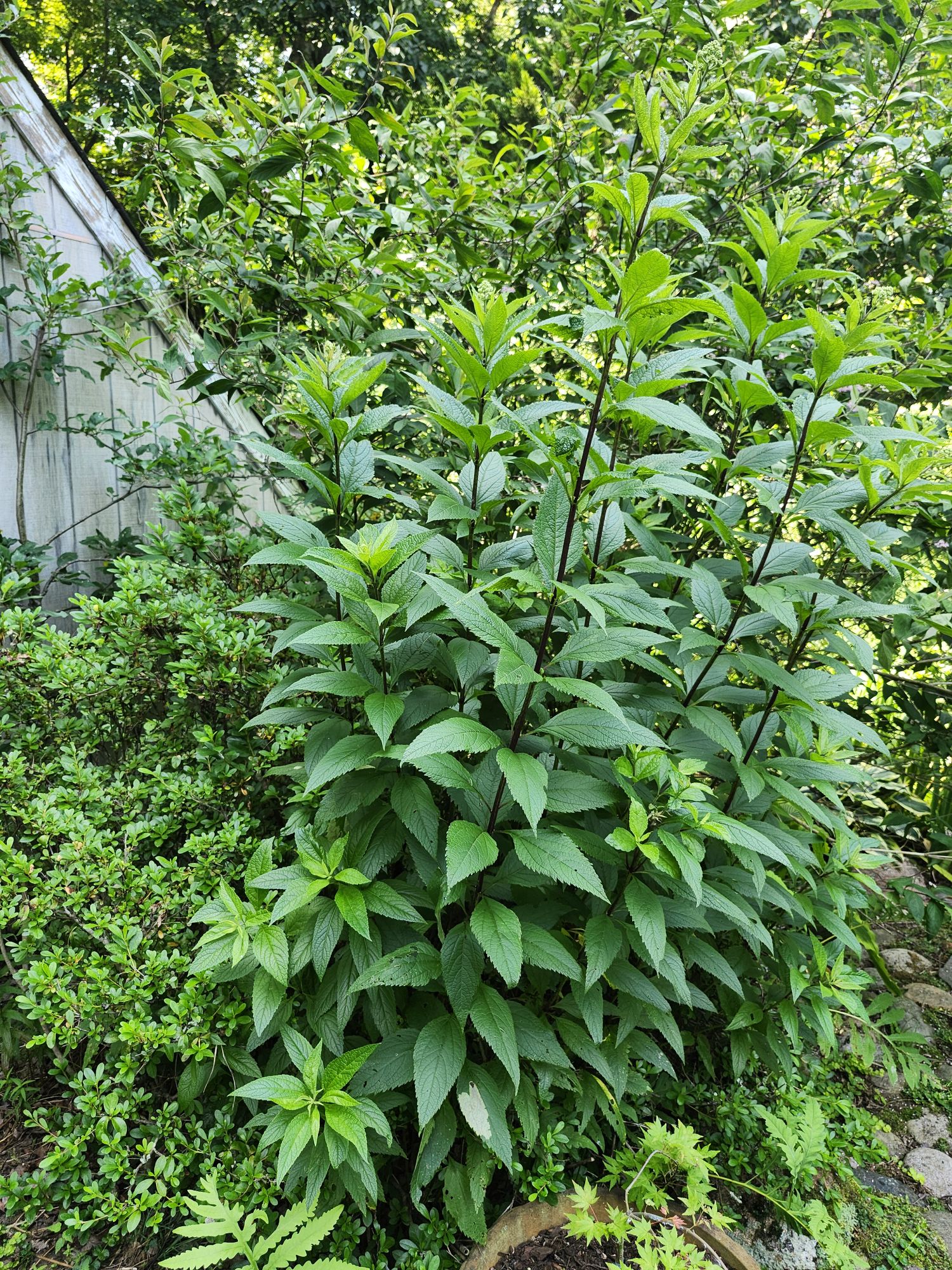
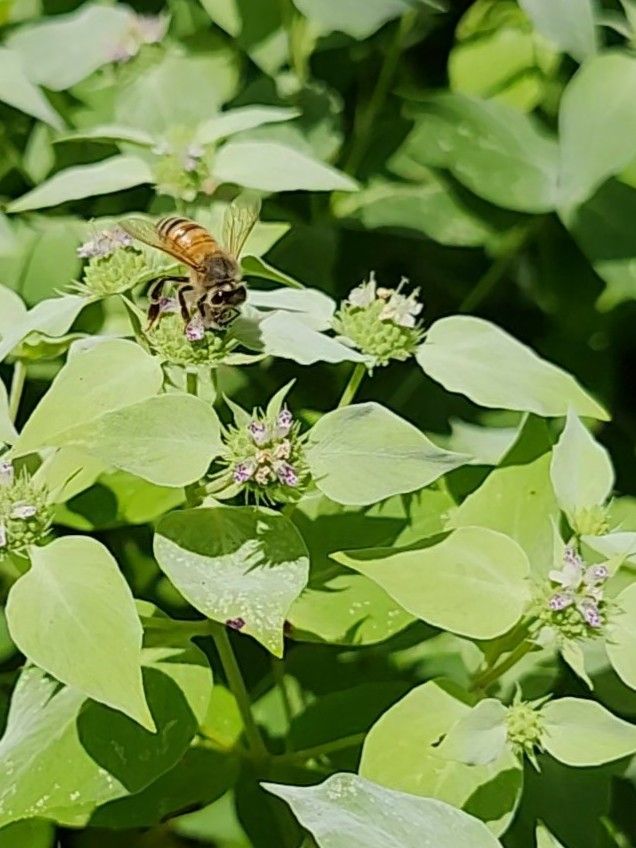
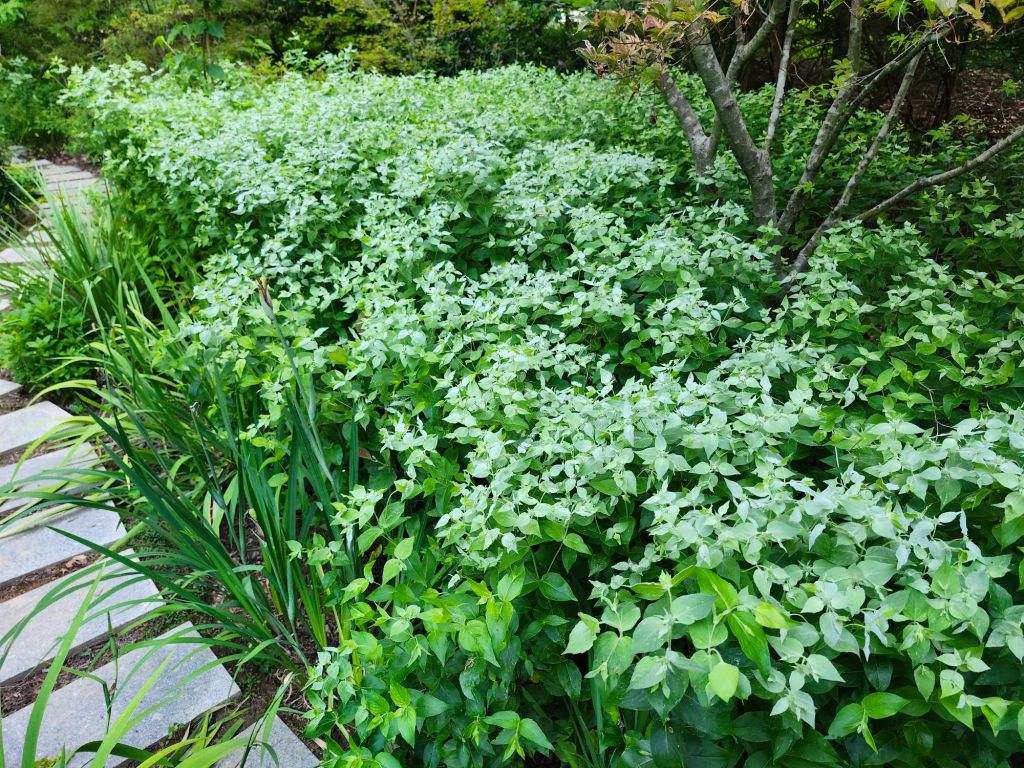
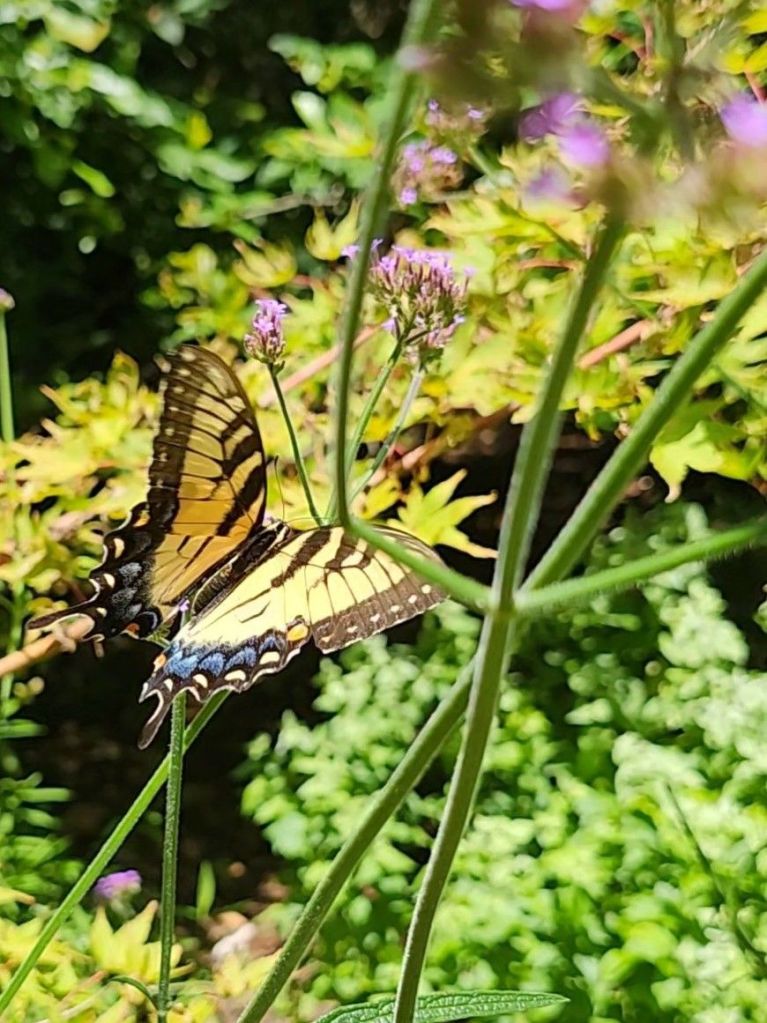
Joe Pye is a favorite of the mid and late summer garden along with mountain mints (Pycnanthemum spp.) that will also reach their peak flowering in the coming weeks. Already, I see an increase in the numbers of swallowtails. I don’t exactly know why, except this is the place to be for the next few months to get your fill of nectar.